Hair restoration
FUE
DHI
Sapphire
Hair loss
Regrowth
Hair transplant: the complete guide
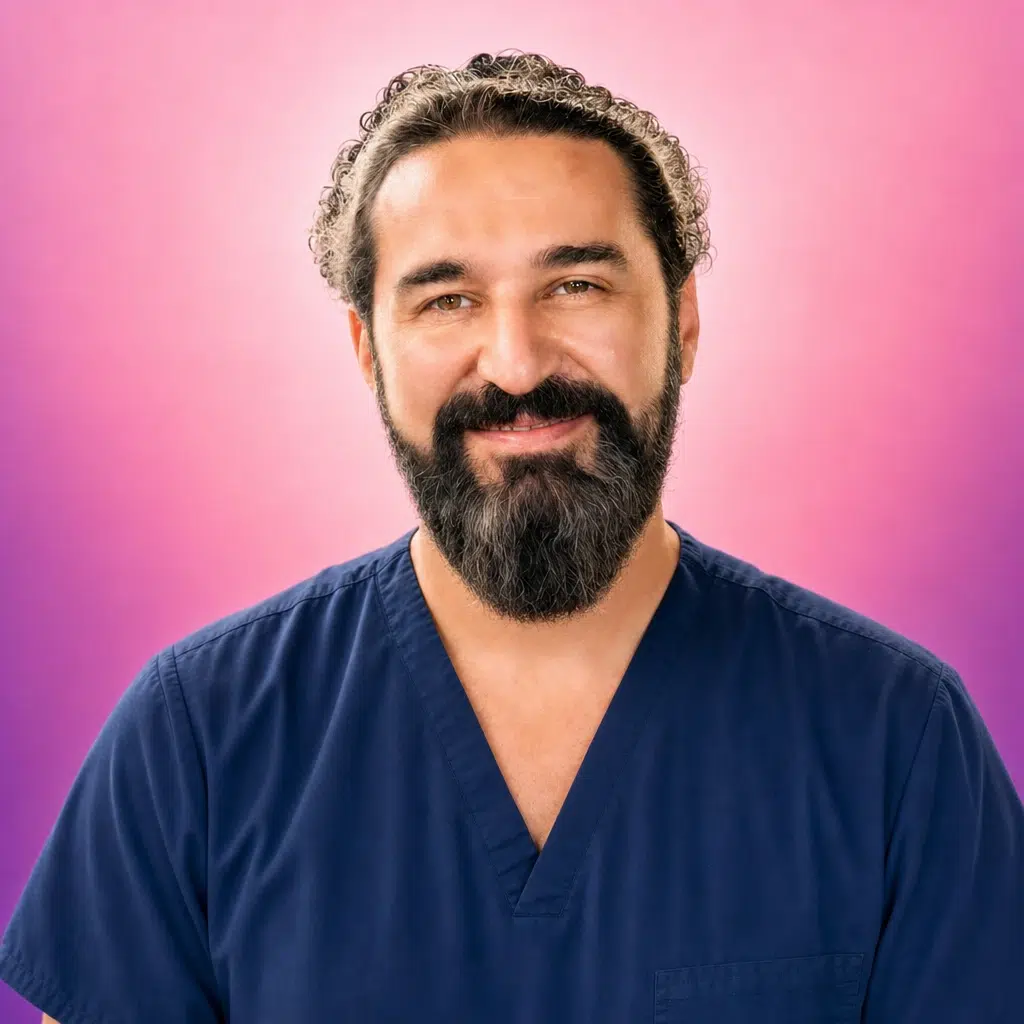
A hair transplant is a lasting way to bring back thick, natural hair. Whether your hair loss is only just starting or already advanced, today’s techniques (FUE, DHI and Sapphire) give very good results when the grafts are handled with care. At Body Expert, the surgeons at our partner clinic in Istanbul work on hair restoration every week.
Hair transplant at a glance
Hospital stay
Day case
Procedure duration
4 to 8 hours
Results visible after
12 to 18 months

Medical validation
What is a hair transplant?
For men and women alike, losing your hair often feels like losing a part of yourself. Baldness, androgenetic alopecia, scarring, a slow thinning of density: millions of people live with these, and they touch far more than looks. Confidence starts to slip, the face in the mirror changes, and you find yourself reaching for a cap.

Here is the good news: a hair transplant is now a safe, well-established procedure. The principle is simple. Hair follicles are taken from the donor area, at the back of the head, where the hair is relatively resistant to DHT. Those follicles are then transplanted one by one into the thinning areas. Once in place, they generally keep that resistance and are far less likely to thin.
According to the International Society of Hair Restoration Surgery (ISHRS), androgenetic alopecia, meaning hereditary baldness, accounts for 70.9% of the cases treated with a hair transplant. And the patient profile is shifting: more than half are now between 30 and 49, and women make up close to 15% of those operated on (ISHRS 2025 census). A hair transplant is no longer the preserve of older men: it is an option open to every profile.
Three techniques, one goal
Three methods lead hair restoration today, and each has its own character.

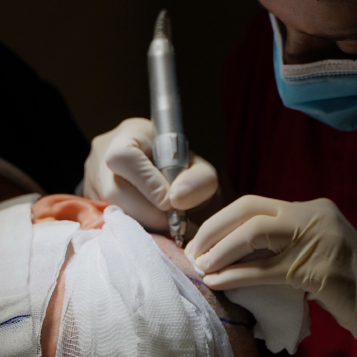
The FUE technique (Follicular Unit Extraction) is the most widely used in the world. Follicles are removed one at a time with micro-punches under 1 mm across, then placed into micro-incisions made in the recipient area. It is the go-to method for large areas, able to transplant up to 5000 grafts in a single session.

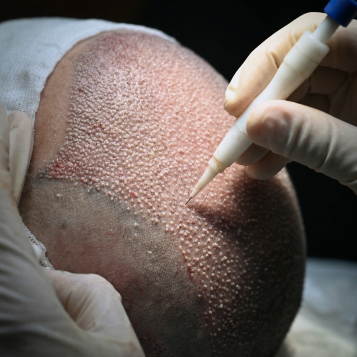
The DHI technique (Direct Hair Implantation) uses a Choi implanter pen. The follicle is loaded into the pen and placed as the needle enters, without a separate channel-cutting stage. The surgeon controls the angle, depth and direction of every hair to the millimetre. It is the technique of choice for hairlines, for adding density, and for anyone who wants a transplant without shaving. The DHI vs FUE comparison sets out the strengths of each approach.

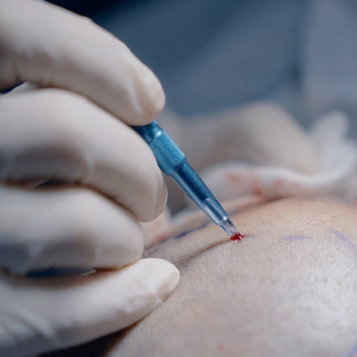
Sapphire FUE is a refinement of standard FUE. Instead of steel blades, the surgeon uses synthetic sapphire blades to make the micro-incisions. These blades create finer, more even V-shaped channels, which can mean less tissue trauma than steel.
At Body Expert, our surgeons work with all three techniques and sometimes combine them in a single procedure to get the best possible result.
The Norwood scale: assessing male pattern baldness

settle on the right treatment plan, your surgeon uses the Norwood-Hamilton classification, which maps 7 stages of male pattern baldness. The Norwood scale is the reference tool used in clinics the world over.
Stages 1 and 2 are a slight recession at the temples. It is often the first warning sign, though a transplant is not always advised this early: better to steady the loss first with medical treatment (minoxidil, finasteride) and keep an eye on how it develops.
Stages 3 and 4 mark a clearer thinning at the temples, sometimes with the start of loss at the crown. From this stage a transplant genuinely earns its place, needing 2000 to 3500 grafts to rebuild a natural density.
Stages 5 and 6 show a wide bald area linking the forehead to the crown. The numbers rise, 3500 to 5000 grafts, and the surgeon’s strategy becomes decisive: density has to go where it carries the most visual weight (the front third) while still covering the areas in between.
Stage 7 is advanced baldness, with only a band of hair left at the sides and back. A transplant is still possible if the donor area is dense enough, but the results will inevitably be more modest. Your surgeon will tell you honestly what can be achieved.


For women, the Ludwig classification applies. Unlike men, female hair loss is usually diffuse: the scalp thins gradually across the top of the head, with no sharp recession of the hairline. There are three stages, from a simple widening of the central parting (stage I) to severe thinning across the whole crown (stage III). A hair transplant for women follows its own protocols, often with the option of a transplant without shaving.
Who is a hair transplant for?

A hair transplant can suit many people with stabilised hair loss, once the cause has been assessed. The profiles vary: hereditary baldness, scars after injury, burns, hair loss following an illness or a medical treatment, female androgenetic alopecia, sparse patches at the temples, crown or hairline. An afro hair transplant calls for particular expertise, because of the natural curl of afro follicles.
The one thing you really need is a donor area dense enough to supply the transplant. That is exactly what your surgeon assesses at the free first consultation Body Expert offers.
How does a hair transplant work?
Consultation and hair assessment
It all starts with a conversation with your surgeon. They examine your scalp, gauge the density of your donor area and work out how many grafts are needed to reach the result you are after. A line is drawn straight onto your head to set the future hairline and the areas to cover. At Body Expert this consultation is free and can be done by video call. You leave with a clear treatment plan and a detailed quote, with no obligation.
Preparation and local anaesthetic
On the day, your donor area is prepared and shaved (except for a no-shave DHI transplant). A local anaesthetic is given so the scalp is numb for the sitting. At Body Expert we include needle-free pre-anaesthesia in every package: a high-pressure device delivers the anaesthetic without a needle, which takes a lot of the worry and discomfort out of it.
Extracting and implanting the grafts
This is the heart of the procedure. Depending on the technique chosen, follicles are removed one by one from the donor area, sorted and counted under a microscope, then implanted into the recipient area following the natural angle and direction of your hair closely. The operation takes 4 to 8 hours depending on the number of grafts. A PRP (platelet-rich plasma) treatment can also be carried out during the procedure to encourage regrowth, on your surgeon’s recommendation.
Aftercare and your first hair wash
Once the procedure is over, a light dressing goes on the donor area. You leave with detailed post-op instructions. Your first hair wash is done the next day at the clinic, under medical supervision, so you are shown exactly how to do it. Your Body Expert assistant stays with you right up to the airport transfer, and your follow-up continues remotely once you are home.
The price of a hair transplant
In the UK, a real investment

Let’s talk money, because it is usually the first question on people’s minds. In the UK a hair transplant is charged by the graft, and the bill climbs quickly: between the surgeon’s fees, the clinic, the consultations beforehand and the follow-up afterwards, it adds up to a serious outlay. The cost of hair implants also swings a lot from one city to the next, with London, Manchester and Birmingham nowhere near the same rates.
Turkey: medical excellence at an affordable price

Why do so many patients from the UK and across Europe choose Istanbul? Because the value is in a league of its own: for care that is every bit as good, sometimes better, you are looking at up to 70% savings compared with UK prices. Turkey is now a leading destination for hair transplants. High case volume is part of the picture: many Turkish teams operate on hair surgery daily, which builds a depth of practice that is harder to match where the procedure is done far less often.
At Body Expert our packages cover the operation itself (with an unlimited number of grafts), the needle-free pre-anaesthesia, a 5-star hotel with breakfast, the airport-hotel-clinic transfers, an English-speaking assistant with you throughout and 12 months of follow-up. No nasty surprises, no hidden extras. The full breakdown of our packages is in the price list below, and you can get a figure matched to your own case by asking for your free consultation for a hair transplant in Turkey.
Why is Turkey more affordable without cutting corners on quality?
It is a fair question. How can a Turkish clinic offer such competitive rates while keeping standards high? A few things explain it.

The cost of living in Turkey is much lower than in Western Europe. Rent, wages and hospital overheads are lower, and that feeds straight through to the prices. The sheer volume of procedures lets clinics make real economies of scale on equipment and supplies. And the deep specialism of the teams, who do nothing else all day, means a remarkable level of skill.

At Body Expert there is no middleman between you and your surgeon. Our partner clinic in Istanbul, selected for its facilities and its surgeons’ experience, is dedicated to hair surgery and fitted with current equipment. It is this mix of expertise and volume that lets us offer fair prices.
What about other destinations?
Other countries have moved into hair surgery too, such as Hungary and Tunisia. Sometimes tempting, but they do not match the Turkish experience for the number of operations performed, the range of techniques on offer or the quality of patient care. Istanbul remains one of the busiest centres for hair surgery.

Rebuild your confidence with Body Expert
Our experts call you back within 24 hours to build your personalised treatment plan, free and with no obligation.
OUR PRICES AND PACKAGES
DHI
FUE
Women
Offre et tarif : DHI
Offre et tarif : FUE
Feel free to scroll through the different prices from right to left!
Our hair transplant techniques
-
 FUE transplant
Follicles removed one at a time with micro-punches. Ideal for large areas, with up to 5000 grafts per session. Quick healing and natural results. The most widely used technique in the world.
-
 DHI transplant
Direct implantation with the Choi pen, without a separate channel-cutting stage. Excellent control over the angle and depth of every follicle. Perfect for hairlines and for adding density. A no-shave transplant is possible.
-
 Sapphire FUE
Synthetic sapphire blades for V-shaped micro-incisions that are finer than steel. The channels can mean less tissue trauma. A refinement of FUE when the surgeon wants a cleaner incision.


A hair transplant tailored to every profile
-
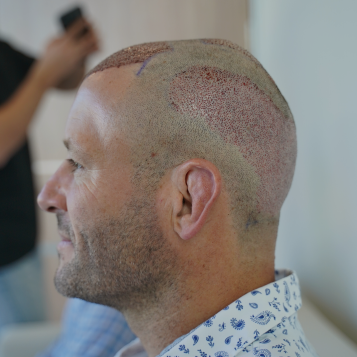 Hair transplant for men
Male pattern baldness affects more than one man in two after 50. Receding temples, lost density at the crown, a gradual thinning: our surgeons design a natural hairline that fits your face and your age. From Norwood stage 2 to stage 6, every case has its answer.
-
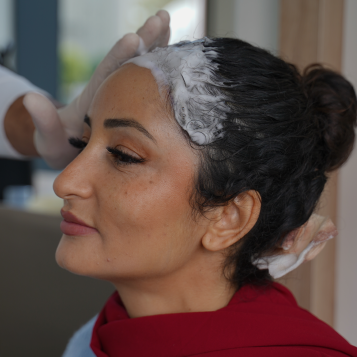 Hair transplant for women
Hair loss in women is often more diffuse and harder to live with socially. Our protocols for women include the option of a no-shave transplant to keep your current hairstyle. Extraction and implantation are adapted to the particulars of women’s hair, for a balanced, discreet result.
-
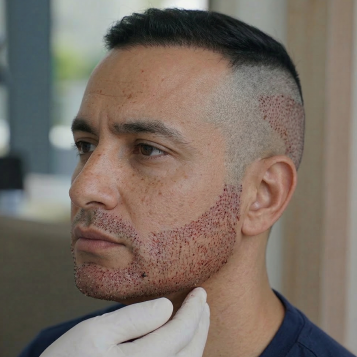 Beard and moustache transplant
A patchy beard, bare spots, scars to cover: a beard transplant uses follicles taken from the scalp, which suit the face perfectly. Our surgeons sculpt a sharp, full outline to match your taste and the style of Turkish beard you have in mind.


After your transplant: the regrowth timeline
Week 1: healing and patience
The first few days matter. Small scabs form around each implanted graft, which is perfectly normal. You will need to sleep propped up, avoid any contact with the grafted areas and follow the aftercare you have been given. No sport, no cap, no swimming. The first gentle wash is done at the clinic. The washes after that you do carefully at home with the product you have been given. The scabs come away on their own between day 7 and day 14.
Months 1 to 3: post-transplant shedding (don't panic)
This is the stage that worries people most, and yet it is completely normal. The transplanted hairs fall out between week 2 and week 6. This post-transplant shedding is expected, and it happens to most patients. Only the hair shafts drop: the roots, firmly set under the scalp, stay put and get ready to grow new hair. Shock loss is different: a temporary thinning of native hair around the treated area, and it does not happen to everyone. Do not touch, do not scratch, and trust the process.
Months 4 to 9: the gradual regrowth
This is where it starts to happen. The first hairs come back, fine and pale at first, then thicken month by month. By 6 months the change already shows: density builds, the hairline takes shape, and the areas that were bare fill in. This is usually the point where the people around you begin to notice. You can go back to the barber and cut and style as normal.
Months 12 to 18: the final result
The final result lands between 12 and 18 months. The hair has its normal thickness, texture and growth cycle back. You can cut it, colour it and style it exactly like your natural hair. Because it is: these are your own follicles, simply moved to an area that needed them. These follicles generally keep the resistance they had in the donor area.
Hair transplant techniques in detail
FUE (Follicular Unit Extraction): the world standard
FUE is the most widely practised technique in the world. It works by removing each follicular unit individually with a cylindrical micro-punch, its diameter ranging from 0.8 to 1.2 mm depending on how thick the patient’s follicles are. The punch is set around the follicle, at the same angle as the hair, then advanced with an oscillating or straight motion to a depth of 2 to 3 mm to free it from the surrounding tissue. The graft is then lifted out gently with micro-forceps.
What makes an FUE good is the transection rate, meaning the share of follicles damaged during extraction. An acceptable rate sits below 5% (StatPearls, 2025). Experienced teams aim to stay well under that figure. A transected follicle usually will not grow back: every percentage point counts.
In practice, no more than 10 to 15 follicular units per cm² are harvested in a single pass, to protect the reserves of the donor area (StatPearls, 2025). For a patient with a donor density of 70 follicular units/cm², that leaves a residual density of 55 to 60 FU/cm², invisible to the naked eye. That is what lets you wear your hair short after an FUE without the donor area giving the game away.

On volume, a standard FUE session transplants between 2000 and 4000 grafts. Larger sessions can reach up to 5000 grafts, but they call for a large, well-drilled surgical team to keep the transection rate low over the hours.
Sapphire FUE: the precision of a gemstone
Sapphire FUE is not a different way of extracting: the grafts are removed exactly as in standard FUE. The difference is in the blades used to make the micro-incisions in the recipient area.

Synthetic sapphire blades (a crystal of aluminium oxide) are harder, smoother and hold their edge longer than steel blades. They make V-shaped incisions that are finer and more even, from 0.6 to 0.8 mm across. These micro-channels bring several concrete advantages over steel incisions.
Healing is faster: the tissue is less traumatised, post-operative inflammation is reduced, and the scabs come away sooner. The density you can reach is higher: finer incisions let the grafts sit closer together without starving the scalp of its blood supply. And the final look is more natural, because the surgeon has better control over the angle and depth of each channel.
DHI (Direct Hair Implantation): the artist surgeon’s tool
The DHI technique fundamentally changes the way grafts are implanted. Instead of first making the micro-incisions and then placing the grafts one by one, the surgeon uses a Choi implanter pen (named after Professor Choi of Kyungpook National University, who developed it) that does both in a single move.
The Choi pen is a hollow instrument fitted with a needle 0.5 to 1.5 mm across. The graft is loaded into the pen, then the surgeon pushes the needle into the scalp at the chosen angle and depth and drives the graft into place. Incision and implantation happen together.
This method has three main advantages. First, it cuts the time the graft spends outside the body, which directly improves follicle survival. Second, it gives the surgeon millimetre control over the angle (usually 10 to 45 degrees depending on the area), the depth and the direction of each implanted hair, which matters a great deal for sensitive areas like the hairline. Third, it needs no prior shaving of the recipient area, which makes it the favoured technique for women and for anyone who wants a transplant without shaving.

DHI reaches an implant density of 70 to 80 grafts/cm², against 55 to 65 for standard FUE. The trade-off is that the procedure takes longer, since the surgeon handles each graft individually: a DHI session is usually capped at 2000 to 3500 grafts. The DHI vs FUE comparison sets out these differences.
The three techniques compared
| Criterion | Standard FUE | Sapphire FUE | DHI |
| Extraction tool | Micro-punch 0.8-1.2 mm | Micro-punch 0.8-1.2 mm | Micro-punch 0.8-1.2 mm |
| Implantation tool | Steel blade + forceps | Sapphire blade + forceps | Choi pen 0.5-1.5 mm |
| Grafts per session | 2000 to 5000 | 2000 to 5000 | 2000 to 3500 |
| Typical use | Large areas | Large areas and density | Hairline, densification |
| Duration | 4 to 8 hours | 4 to 8 hours | 6 to 10 hours |
| Shaving required | Yes | Yes | No (can be shaveless) |
| Healing | 7-14 days | 7-14 days | 7-14 days |
| Ideal for | Large areas | Large areas + density | Hairline, densification |
| Combinable | Yes (DHI + FUE) | Yes | Yes (FUE + DHI) |
At Body Expert our surgeons regularly combine techniques within a single procedure: for instance a Sapphire FUE to cover the crown and mid-scalp, paired with DHI to sculpt the hairline with maximum precision.
Working out graft numbers: how many for your case?
It is the most common question at the first consultation. The answer depends on how much area needs covering, the density you want, and what your donor area can supply.
For reference, the natural density of the scalp sits between 60 and 80 follicular units per cm², with each unit holding on average 2 to 2.5 hairs. In reality, reaching about half the original density, often around 30 follicular units/cm², is enough to give the impression of full, thick hair (StatPearls, 2025). This is what is known as cosmetic density.

Here are the rough numbers by area. The hairline alone needs 800 to 1500 grafts depending on how far it has receded. The front third (hairline plus the central zone) calls for 2000 to 2500 grafts. The front half of the head needs 2500 to 3000 grafts. And to cover the whole bald area including the crown, reckon on 3500 to 5000 grafts. Your surgeon will always prioritise the front third, where the visual impact is greatest, before spreading the remaining grafts over the secondary areas.
Before & After
Discover our patients’ results
FUE
DHI
Women's Hair Transplant

Avant-après

Avant-après

Avant-après

Avant-après

Avant-après

Avant-après

Avant-après

Avant-après

Avant-après

Avant-après

Avant-après

Avant-après

Avant-après

Avant-après

Avant-après

Avant-après

Avant-après

Avant-après

Avant-après

Avant-après

Avant-après

Avant-après

Avant-après

Avant-après

Avant-après

Avant-après

Avant-après

Avant-après

Avant-après

Avant-après

Avant-après

Avant-après

Avant-après

Avant-après

Avant-après

Avant-après

Avant-après

Avant-après

Avant-après

Avant-après

Avant-après

Avant-après

Avant-après

Avant-après

Avant-après

Avant-après

Avant-après

Avant-après

Avant-après

Avant-après

Avant-après
Ready to get your hair back?
Send us your photos and get a free treatment plan from our surgeons in Istanbul, with a reply within 24 hours.
Our patients talk about us
-
 Cyril's
 -
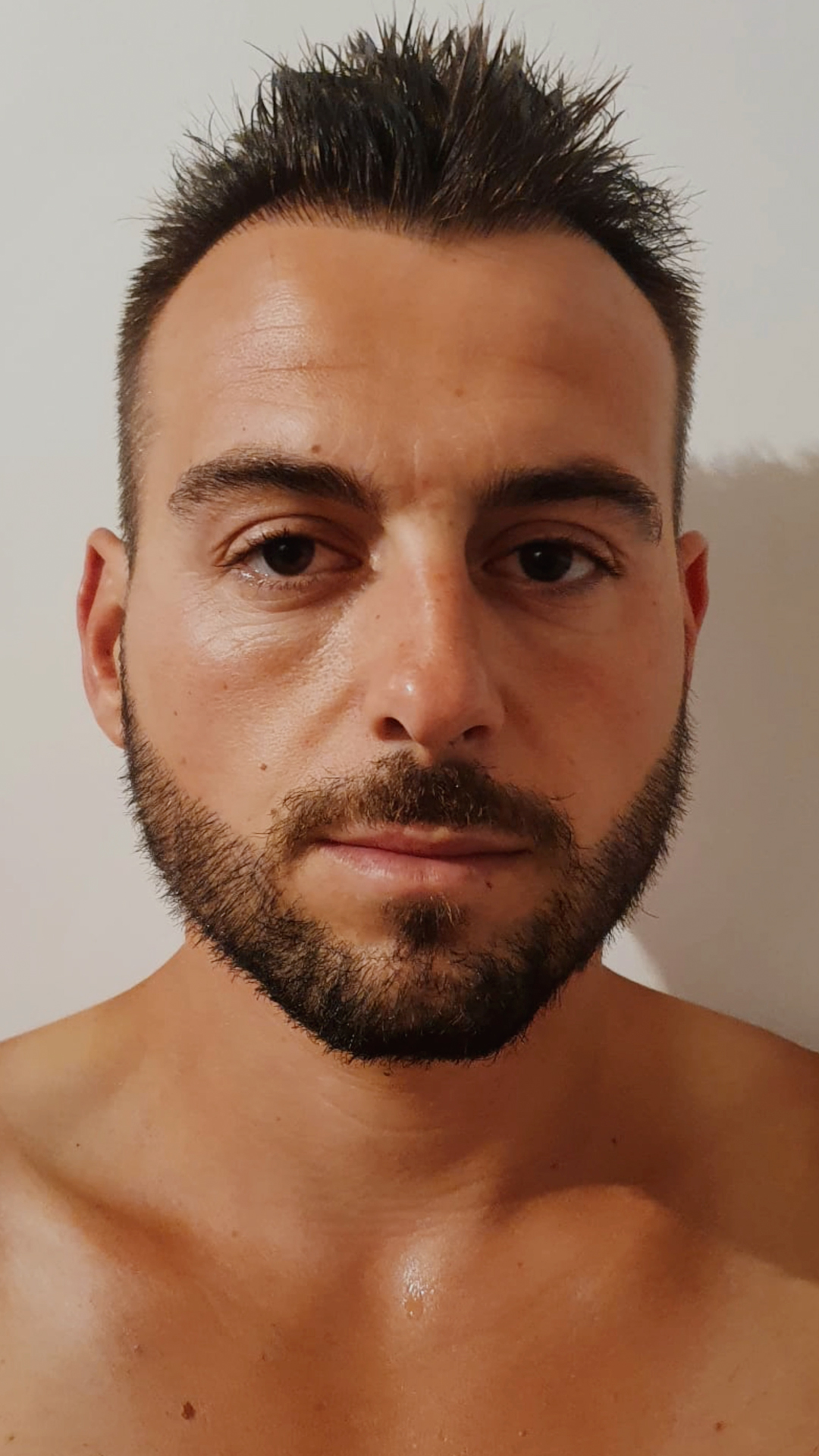 Ewen's
 -
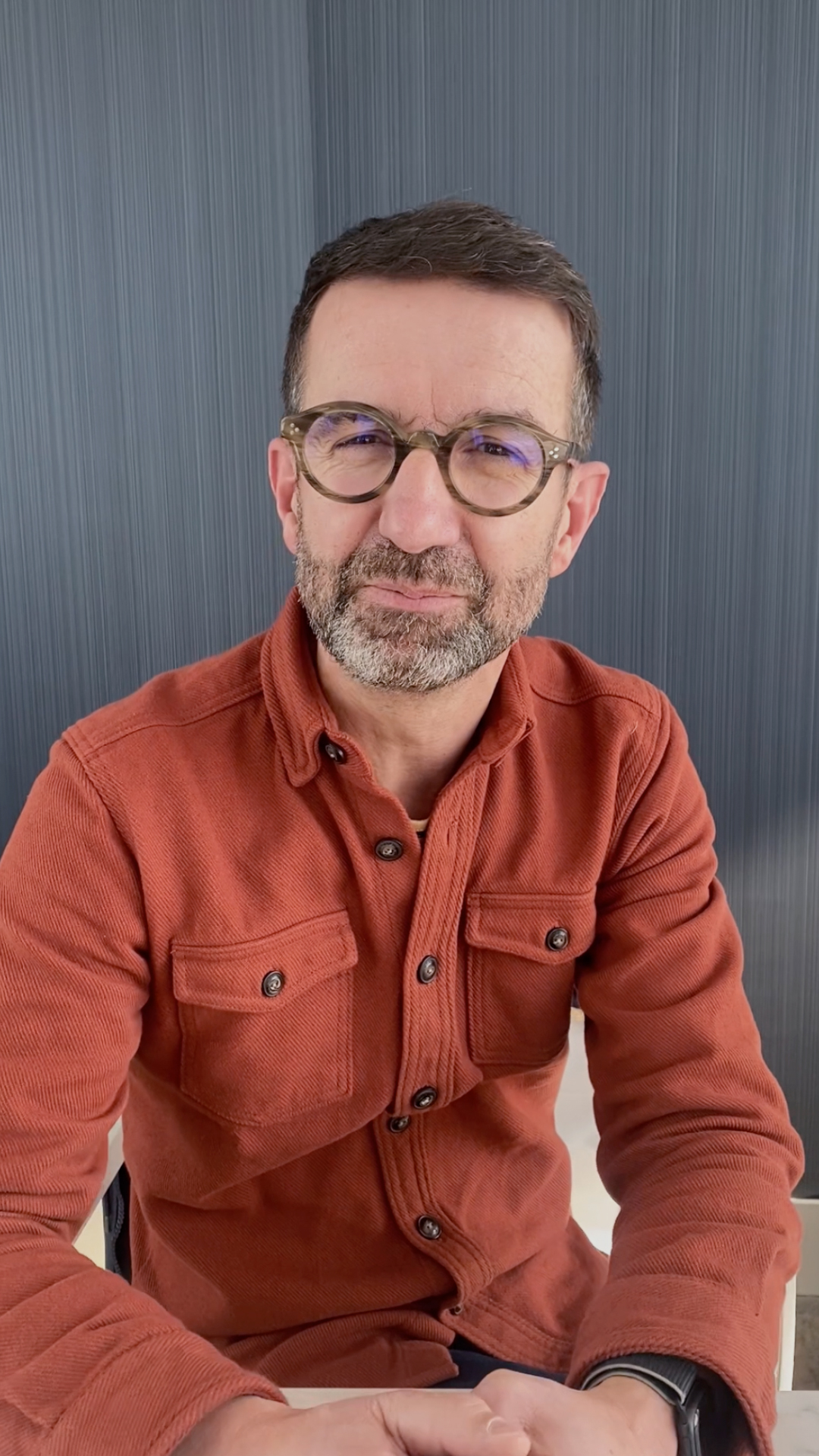 Ronan's
 -
 Dorian's
 -
 Mickael's
 -
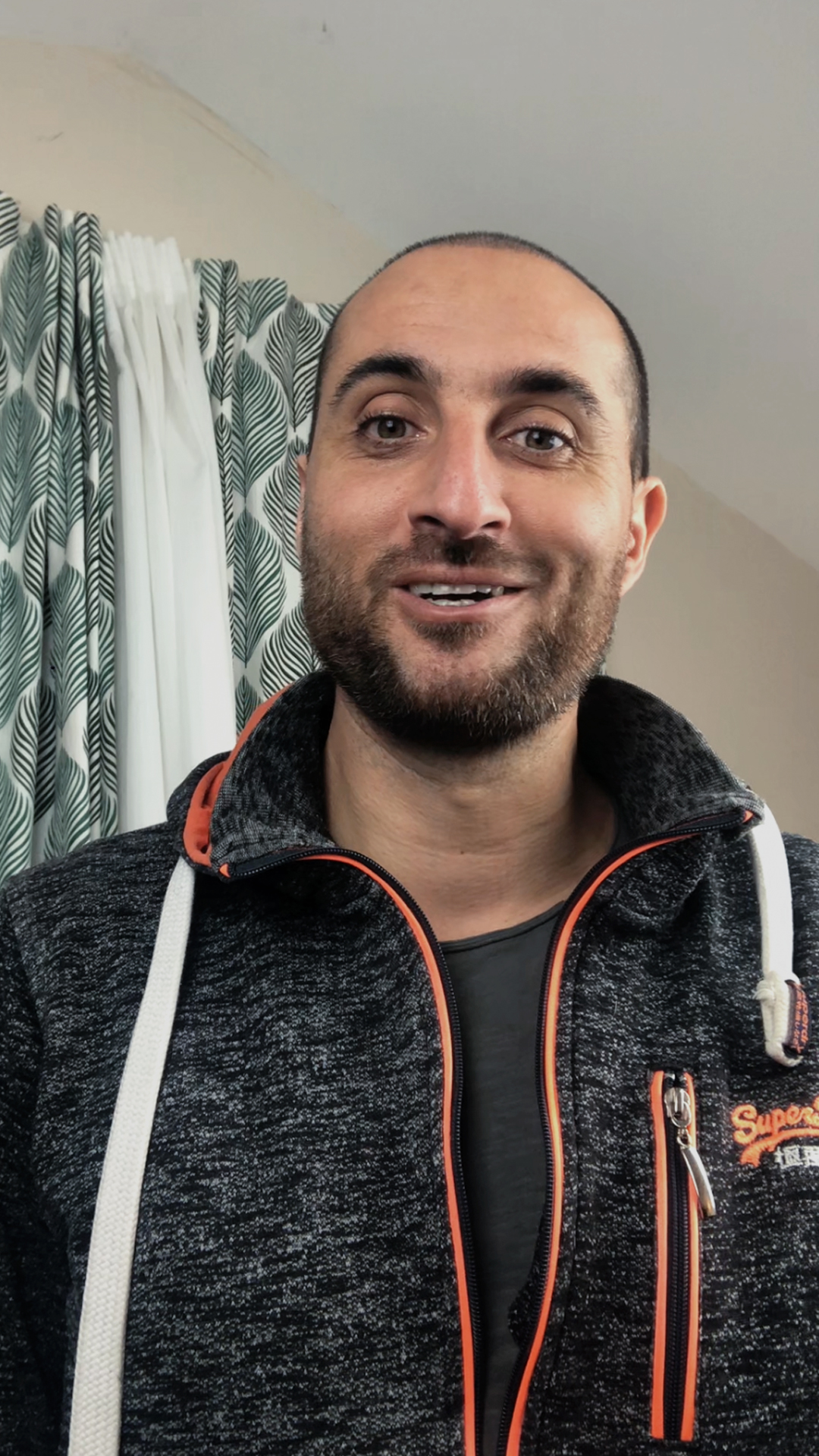 Olivier's
 -
 Jérôme's
 -
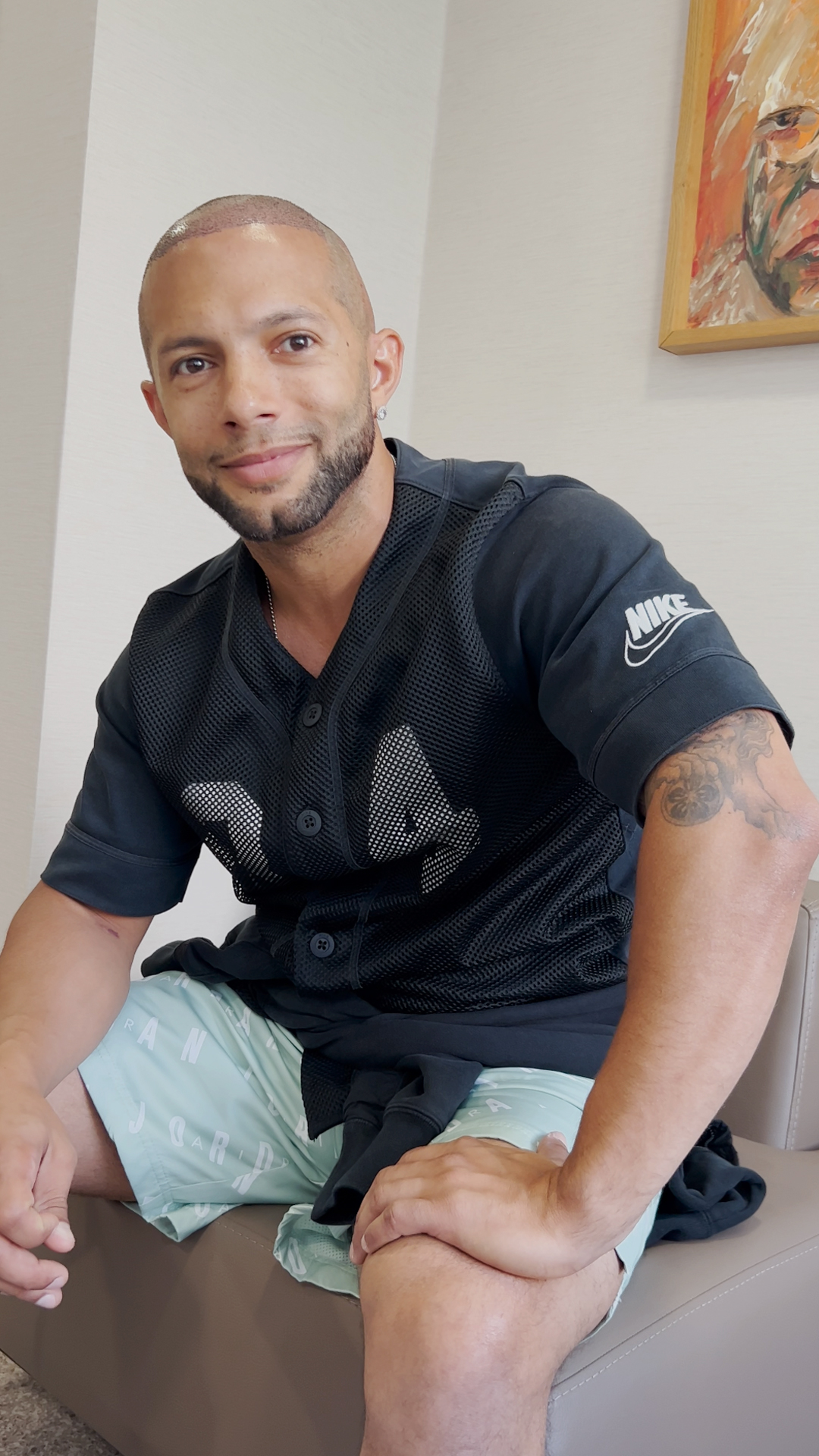 Joachim's
 -
 Cédric's
 -
 Karim's


Your hair transplant questions
Am I a good candidate for a hair transplant?
Most people with hair loss can have a transplant. The two things that really matter are a donor area that is dense enough (at least 40 FU/cm²) and no medical contraindication (active scarring alopecia, uncontrolled clotting disorders). The surest way to know is to have our surgeons assess your case free of charge: send us your photos and get a personalised opinion.
FUE, DHI or Sapphire: which technique should I choose?
It depends on your profile. FUE is ideal for large areas (from 3000 grafts). DHI is excellent for hairlines and added density, and allows a no-shave transplant. Sapphire FUE gives faster healing and excellent density. In practice, our surgeons often combine techniques in one procedure to draw the best from each.
Is a hair transplant painful?
The procedure is done under local anaesthetic, so the scalp itself is numb once it has taken effect. At Body Expert we include needle-free pre-anaesthesia in every package: a high-pressure device delivers the anaesthetic without a needle, which takes away even the dread of injections. Afterwards, any discomfort is usually mild and managed with the pain relief you are advised to take.
How long does the procedure take?
A hair transplant takes 4 to 8 hours depending on the technique and the number of grafts. It is a day case: you are back at your hotel the same day. During the operation you are settled comfortably and can watch films, listen to music or simply rest. Breaks are built in.
What age can you have a transplant?
The ideal age is between 25 and 35, once the baldness has settled enough. In truth, how stable the baldness is matters more than age itself. Every case is different: a transplant at 20 is possible with early, severe alopecia, and a transplant after 50 is perfectly feasible as long as the donor area allows.
When will I see results?
The first hairs come back between the 3rd and 4th month. The change becomes really visible from the 6th month, with density building. The final result lands between 12 and 18 months. Do not worry if the transplanted hairs fall out between week 2 and week 6: that shedding is expected. Shock loss is different, a temporary thinning of native hair around the treated area. Only the shafts drop; the roots stay.
Are the results permanent?
The transplanted follicles come from the occipital area, which is relatively resistant to DHT (the hormone behind baldness). They generally keep that resistance after transplanting. You will be able to cut, style and colour them like your natural hair. To protect the native hair you still have, a maintenance treatment may be advised after the transplant.
What are the risks and contraindications?
The risks are very low in an experienced clinic. The common side effects (scabs, mild swelling, redness) clear within a few days. Sterile folliculitis can affect a small share of patients and usually settles on its own. The main contraindications are active scarring alopecia, uncontrolled clotting disorders, poorly managed diabetes and active smoking. Our pre-operative consultation checks each of these.
When can I go back to sport after the transplant?
Light walking is fine from the next day. Moderate exercise (exercise bike, yoga) can start again after 2 weeks. Intense activity (weight training, running, team sports) is allowed after 1 month. Swimming and water sports should wait 2 months, because of the chlorine and the risk of infection. Your surgeon will give you a personalised timetable.
Why choose Body Expert for your transplant?
Body Expert works with our partner clinic in Istanbul, selected for its facilities and its surgeons’ experience. We handle the whole chain, from the first consultation to the 12-month follow-up. With English-speaking support from start to finish, patient reviews you can read for yourself, and packages covering hotel, VIP transfers and 12-month follow-up, we have made trust our priority.
Discussing your project
OUR ARTICLES ON Hair transplant




Contraindications, precautions and preparation
Who can’t have a transplant?
A hair transplant is a safe procedure, open to the great majority of people with hair loss. But like any surgery, it is not right for everyone. Knowing the contraindications protects you and makes sure the timing is right.
Absolute contraindications
Some situations make a transplant impossible or very risky, at least for a time.
Diffuse unpatterned alopecia (DUPA) is the most important contraindication. Unlike classic androgenetic alopecia, which spares the back of the head, DUPA causes a general thinning that includes the donor area. If the hair at the back is itself miniaturised, transplanting it makes no sense: it will end up falling out too. A trichoscope examination can pick up a miniaturisation rate above 35% in the occipital area, which is a firm contraindication (True, 2021).
Active scarring alopecias such as lichen planopilaris, frontal fibrosing alopecia and discoid lupus destroy follicles through an inflammatory process. Transplanting into an area where inflammation is ongoing means condemning the grafts to be destroyed by the same mechanism. Surgery can only be considered after at least 2 years of remission confirmed by a scalp biopsy, and even then the results stay uncertain (StatPearls, 2025).

Alopecia areata is an unpredictable autoimmune condition. Transplanted hair risks being attacked by the immune system, exactly like native hair. A transplant is only considered after a long period without active disease, often 2 years or more, and results stay uncertain (True, 2021; StatPearls, 2025).
Clotting disorders (haemophilia, long-term anticoagulants that cannot be adjusted) appreciably raise the risk of bleeding during surgery, of haematomas forming and of poor graft survival. If you take anticoagulants or antiplatelet drugs (warfarin, clopidogrel, apixaban, rivaroxaban), stopping them temporarily must be signed off by your cardiologist. If it cannot be done safely, a transplant is contraindicated.
Trichotillomania, the obsessive urge to pull your own hair out, needs psychological support and stabilising before any surgery. Transplanting hair a patient may pull out has no medical sense to it.
Relative contraindications
Other situations are not outright barriers but call for a thorough medical assessment.
Uncontrolled diabetes impairs the blood supply to the scalp and its ability to heal. Well-managed diabetes, on the other hand, poses no problem. Your glycated haemoglobin (HbA1c) will be checked in the pre-operative blood work.
Uncontrolled high blood pressure needs to be stabilised before surgery to limit the risk of bleeding.

Unstable thyroid disorders cause a diffuse hair loss that muddies the assessment of the baldness. Diagnosing and adjusting thyroid treatment has to come before any transplant.
Active scalp conditions (severe psoriasis, inflammatory seborrhoeic dermatitis, bacterial or fungal infections) must be treated and cleared before surgery. The Koebner phenomenon, in the case of psoriasis, can trigger new lesions on the operated areas.
Patients who have had chemotherapy or radiotherapy should wait until their oncology team confirms that the tissue has recovered enough for surgery.
Body dysmorphic disorder (BDD) is a psychiatric condition that distorts how you see your own appearance. People who live with it risk never being happy with the result, however good it is. Psychological support is advised before any thought of surgery.
Smoking: a risk factor that is too often played down
Tobacco degrades the small-vessel circulation of the scalp, which directly threatens graft survival. It clearly lowers regrowth rates compared with non-smokers. The advice is plain: stop smoking at least a month before surgery, and do not start again during the first weeks of healing.
How to prepare well for your transplant
Preparation starts well before the day itself.
A month before: stop smoking if you smoke. Stop anticoagulant and antiplatelet treatments (clopidogrel, ibuprofen, high-dose omega-3) only once your GP or cardiologist has approved it. Continue finasteride if it has been prescribed; topical minoxidil is usually paused about a week before surgery, because it can irritate the scalp and widen blood vessels (StatPearls, 2025).
A week before: stop non-steroidal anti-inflammatories (ibuprofen, diclofenac). No supplements based on ginkgo biloba, concentrated garlic or high-dose vitamin E (which thin the blood). Low-dose aspirin is often continued, unless your prescribing doctor says otherwise (StatPearls, 2025).
48 hours before: no alcohol. Alcohol widens the blood vessels and raises the risk of bleeding during surgery.
On the day: a normal, light breakfast. Comfortable clothes that do up at the front (no roll-neck jumpers). Your Body Expert assistant will collect you from your hotel and take you to the clinic.

The blood work is done as soon as you arrive. It includes a full blood count, a clotting screen, a blood glucose test, infectious serologies (hepatitis B and C, HIV) and, if needed, a thyroid panel.
Possible complications: complete transparency
Serious complications after a hair transplant are exceptionally rare. A retrospective study of 2896 patients operated on over 10 years found no major or life-threatening complications (Garg & Garg, 2021). The same series recorded more common, usually short-lived side effects, set out below.
Forehead swelling affected about 18 of the 2896 patients in that study. It appears 2 to 4 days after surgery and settles within a few days. A compression band worn for the first few nights helps keep it down.

Sterile folliculitis (inflammation of the implanted follicles) is the most common side effect, seen in around 7% of patients. It shows up as small red spots on the grafted areas, 2 to 4 weeks after surgery. It is not an infection and clears on its own or with a simple topical treatment.
Temporary numbness of the donor or recipient area can last a few weeks to a few months, while the tiny cut nerves regenerate.
Genuine infections are exceptional (2 cases in 2896, only in diabetic patients in the study cited). Careful hygiene and, when the surgeon advises it, antibiotic cover help keep that risk low.
Before surgery you are told the possible side effects, the warning signs and who to contact if in doubt. After the procedure, your English-speaking coordinator remains your contact for follow-up questions.
Hair transplant results, success factors and alternatives
What success rates can you expect?

In the hands of a skilled team, published studies report graft survival around 90% in good conditions, though everyday practice often sits below the figures seen in small study boxes (Parsley & Perez-Meza, 2010). These figures are not magic: they reflect how much the choice of clinic and surgeon matters. A successful hair transplant rests on a few specific factors, which follow here.
The key success factors
The quality of the donor area
This is your hair capital, and it is not limitless. The occipital donor area holds on average 65 to 85 follicular units per cm². A density above 80 FU/cm² is considered excellent, while below 40 FU/cm² a transplant gives less satisfying results (StatPearls, 2025). Hair thickness matters too: a thick hair covers more ground than a fine one, which feeds directly into the density you see.
The design of the hairline
This is the most artistic part of the procedure. A hairline that is too straight, too low or too symmetrical will look artificial. A good surgeon draws a slightly irregular line, with single-hair micro-grafts in the front row to mimic natural fineness, then units of 2 to 3 hairs behind to build density. The implant angle at the hairline is 15 to 20 degrees forward, exactly like natural hair.
Looking after the grafts
Every minute counts. Outside the body, grafts grow fragile: serious clinics keep them cool in a suitable preservation solution and keep their time out of the body as short as possible, by timing the extraction and implantation phases precisely. It is a detail the patient never sees, but it shapes the final result.
The post-operative follow-up
This one is down to the patient. Following the aftercare instructions to the letter, using the right shampoo after a transplant, sleeping well propped up, avoiding any contact with the grafted areas: simple habits that make a measurable difference to the final result.
The regrowth timeline in detail
Month 1: The healing phase. The scabs come away between day 7 and day 14. The transplanted hair shafts start to fall out, which is normal and expected. True shock loss, a temporary thinning of native hair around the treated area, can also appear in some patients.
Months 2-3: The waiting period. Nothing seems to be happening on the surface, but under the scalp the follicles enter the anagen phase and produce new shafts. It is frustrating, but necessary. The hair cycle runs its natural course.
Months 4-6: The first hairs appear, fine and pale at first. The improvement becomes gradually visible from the 5th month. By 6 months, most patients notice a real change.
Months 7-9: Density builds visibly. The hair thickens, takes on more colour, and starts to style naturally. This is the stage where you really appreciate the quality of the surgical work.
Months 10-12: Almost the final result. The before-and-after photos at this stage show the complete transformation.

Months 12-18: Full maturity. The hair has reached its final thickness and texture. The transplanted hair has reached its final thickness and texture.
The question of age
Can you have a transplant at any age? The short answer: almost. But timing matters enormously. The ideal age for a first transplant is usually between 25 and 35, when the baldness has settled enough for the surgeon to anticipate how it will develop. Transplant too early and you risk having to top it up a few years later, as the baldness carries on. A hair transplant at 20 is still possible with early, severe alopecia, but it then has to go hand in hand with medication to steady the loss.

The right age for a transplant depends more on how stable the baldness is than on age itself. At 50 and over, a transplant is perfectly possible as long as the donor area is dense enough.
Choosing your clinic

Let’s talk about this openly. Hair transplant tourism has boomed, and with it the low-cost clinics that win business on the single argument of the lowest price. Picking a place on that basis alone, without checking the surgeon’s real experience and the patient reviews, leaves you open to nasty surprises and, sometimes, to a costly failed transplant to put right. The risks of a transplant in Turkey do not come from the country, but from the choice of clinic.
Another point that often goes unsaid: it is not unusual for a top-up to be needed years later, with a second transplant. That is not a failure; it is the natural course of baldness, which can keep progressing 5, 10 or 15 years after the first procedure. A good surgeon plans for this from the very first treatment plan.
Long-term upkeep: what happens 5, 10, 20 years on?

Transplanted hair is meant to last. The follicles taken from the occipital donor area are relatively resistant to DHT, the hormone behind hair miniaturisation, and they generally keep that trait after transplanting. Your transplanted hair grows normally, gets cut, styled and coloured, and ages with you: it will turn grey at the same pace as the rest of your hair.
What a transplant does not do is protect the native hair that has not yet fallen out. If your alopecia keeps progressing, the areas that were not transplanted may carry on thinning. That is why most surgeons recommend a maintenance treatment of finasteride or minoxidil after the transplant, to steady the hair you have left and put off a possible second procedure for as long as possible.
Our surgeons build this long view into the treatment plan from day one. They never over-harvest your donor area today at the expense of your options tomorrow. It is a strategic way of managing your hair capital, meant to see you through the years.
The alternatives to a transplant
A transplant is not always the only option. Depending on your profile, your stage of baldness and your goals, other treatments can go alongside it or, sometimes, replace it.
Minoxidil is a topically applied vasodilator that extends the hair’s growth phase. It gives visible results after 3 to 6 months of regular use, but the effect stops the moment you stop the treatment.
Finasteride is a 5-alpha reductase inhibitor that lowers the production of DHT, the hormone behind follicle miniaturisation. It can steady further loss in many men and can even encourage a little regrowth.
PRP (platelet-rich plasma) is an injectable treatment that uses the growth factors in your own blood to stimulate follicle activity. It can complement a transplant, on your surgeon’s recommendation.
Low-level laser therapy stimulates the cell activity of the scalp and can be a useful complement to the other treatments.
Plenty of public figures now speak openly about their hair transplant, which helps make the procedure more everyday and lift the taboos around it.
In summary
A hair transplant is now the only lasting way to bring back thick, genuinely natural hair. Whether it is male baldness graded on the Norwood scale or a loss of density in women, the modern techniques, FUE, DHI and Sapphire FUE, transplant your own follicles, which generally keep the resistance they had in the donor area. The first results take shape around the 3rd or 4th month, become clear at 6 months, and reach maturity between 12 and 18 months.
Success comes down to four things: a good-quality donor area, a surgeon with an artistic hand, careful handling of the grafts and serious aftercare. That is exactly what Body Expert brings together in Istanbul: experienced surgeons, partner clinics selected against our quality criteria, English-speaking support from start to finish and a stay organised for you, for up to 70% savings compared with the UK (the detail is in our price list).
Choosing your clinic is a big decision, and you do not have to make it alone. Send your photos to our experts and get a free quote within 24 hours, with a personalised treatment plan and no obligation. Your new head of hair starts with a simple conversation.
Sources and references
- Goldin, J., Zito, P. M., & Raggio, B. S. (2025). Hair transplantation. Dans StatPearls. StatPearls Publishing. https://www.ncbi.nlm.nih.gov/books/NBK547740/
- International Society of Hair Restoration Surgery. (2025). 2025 practice census results. https://ishrs.org/2025-practice-census-results/
- True, R. H. (2021). Is every patient of hair loss a candidate for hair transplant? Deciding surgical candidacy in pattern hair loss. Indian Journal of Plastic Surgery, 54(4), 435-440. https://pmc.ncbi.nlm.nih.gov/articles/PMC8719975/
- Garg, A. K., & Garg, S. (2021). Complications of hair transplant procedures: Causes and management. Indian Journal of Plastic Surgery, 54(4), 477-482. https://pmc.ncbi.nlm.nih.gov/articles/PMC8719980/