Smile
Dental aesthetics
Ceramic
Hollywood smile
Emax
Dental veneers: the complete guide
Thin ceramic shells bonded to the visible surface of your teeth, veneers correct the shape, colour and alignment of your smile for a natural, balanced result. This guide, checked by our dentists, walks you through every stage of your project.
Dental veneers at a glance
Procedure duration
4-6 hours/jaw
Average lifespan
10-20 years
Eat normally after
7-10 days

Medical validation

The five types of dental veneer: which material should you choose?
The material is the single biggest decision in any veneer project. Each ceramic has its own character: strength, translucency, longevity. And the right choice depends as much on your clinical situation as on what you want aesthetically and on your budget. Here are the five main families available today, with their strengths and their limits.

Composite (resin) veneers
Composite veneers are the most affordable option. Made from a resin loaded with glass particles, they are often placed directly in the chair, in a single session. They range from 0.5 to 1 mm thick and give a reasonable result for minor corrections.
The catch? A lifespan of 3 to 7 years. Composite tends to dull and yellow over time, particularly if you regularly drink coffee, tea or red wine. More porous than ceramic, it also holds on to stains and plaque more readily.

Feldspathic veneers
Feldspathic ceramic is the original material, used since the 1980s. Each veneer is hand-layered by a ceramist on a refractory model: genuine craftsmanship, which gives remarkable translucency and an uncanny match with natural enamel.
With a lifespan of 10 to 15 years, they deliver excellent aesthetic results. Layton and Walton (2012) even measured a 96% survival rate at 21 years for feldspathic veneers bonded to enamel. Their mechanical strength is lower than lithium disilicate, though, which leaves them a little more prone to fracture in patients who clench.

E.max veneers (lithium disilicate)
E.max veneers are today’s benchmark in cosmetic dentistry. Made from a reinforced lithium disilicate developed by Ivoclar Vivadent, they combine a strength of 400 MPa, four to six times that of feldspathic ceramic, with a translucency very close to enamel.
The meta-analysis by Klein and Spitznagel (2024) put the survival rate at 96.81% at 10 years for lithium disilicate, ahead of feldspathic ceramic (96.13%) and leucite glass-ceramic (93.70%). At 0.3 to 0.7 mm thick, they allow a minimal preparation that preserves as much healthy enamel as possible.
Made using CAD/CAM (computer-aided design and manufacturing), e.max veneers offer a precision down to the micron that hand techniques cannot match. To weigh up every option, have a look at our article on the different types of dental veneer.

Zirconia veneers
Classic zirconia exceeds 1,000 MPa; the ultra-translucent grades used for veneers sit lower, typically around 500 to 800 MPa. That solidity can help when extra strength is needed, including in moderate bruxism.
Long criticised for looking opaque, the latest “ultra-translucent” zirconia has come a long way on aesthetics. Long-term clinical data is still limited for front zirconia veneers, since most studies look at crowns and back restorations (Klein et al., 2024).

Lumineers
Lumineers are all about thinness: 0.2 to 0.3 mm, about the same as a contact lens. That slimness often allows placement without any grinding beforehand, the “no-prep” technique, so in theory it is reversible.
Smielak and colleagues (2022) compared conventional and no-prep veneers over 9 years: the no-prep ones hold up at least as well over time. Be aware, though, that their thinness masks severe discolouration less effectively, and the result can look less natural on very dark or poorly aligned teeth. Expect a lifespan of 8 to 12 years.
The five types of veneer compared
| Criterion | Composite | Feldspathic | E.max | Zirconia | Lumineers |
| Thickness | 0.5-1 mm | 0.5 mm | 0.3-0.7 mm | 0.4-0.6 mm | 0.2-0.3 mm |
| Strength | Moderate | Medium | 400 MPa | >1,000 MPa | Medium |
| Translucency | Good | Excellent | Excellent | Good | Variable |
| Lifespan | 3-7 years | 10-15 years | 10-20 years | 15-25 years | 8-12 years |
| Preparation | Minimal | 0.5 mm | 0.3-0.5 mm | 0.4-0.6 mm | None (no-prep) |
| Fabrication | Direct | Handcrafted | CAD/CAM | CAD/CAM | Patented |
| Survival rate | Variable | 96% at 21 yrs | 96.81% at 10 yrs | Limited data | Comparable |

E.max: why it has become the default choice
If e.max has become the default choice, it is for several reasons that stack up. Its strength sharply limits the risk of fracture, the leading cause of failure according to Beier et al. (2012). Its translucency mimics the neighbouring enamel almost perfectly. Being made with CAD/CAM helps deliver consistency and precision. And bonding to enamel gives lasting hold: Alqutaibi et al. (2024) report a survival rate close to 99% when the veneer is bonded to enamel alone.
In our partner clinic in Istanbul, selected for its facilities and its surgeons’ experience, e.max ceramic is one of the options for your dental veneers in Turkey, chosen according to your case.
The dental veneer fitting process
Consultation and digital simulation
Your journey starts with a free video consultation with one of our specialist dentists. Using Digital Smile Design software, you see the expected result in 3D. A personalised treatment plan is drawn up, setting out the number of veneers, the type of ceramic and how your stay in Istanbul will unfold.
Pre-operative checks and preparation
Before you travel, a panoramic X-ray assesses your dental structure. A professional scale and polish is recommended two weeks before the procedure. Our team sends you the full list of documents and recommendations for your trip.
Arrival in Istanbul
As soon as you arrive, a private transfer takes you to your 5-star hotel. You visit our partner clinic and meet your dentist for a full clinical examination, any adjustments to the treatment plan and the final choice of shade.
Tooth preparation and digital impressions
Under local anaesthetic, a minimal reduction of 0.3 to 0.5 mm is carried out with precision diamond burs. A 3D intraoral scanner then captures a digital impression, far more comfortable and precise than traditional impressions.
Making and fitting the veneers
Your veneers are made with CAD/CAM, often from e.max ceramic, then characterised and glazed for a natural look. At the try-in, the fit and shade are checked meticulously. Final bonding follows a strict protocol of etching, silanisation and light curing.
Final check and aftercare advice
A check at 24 hours and again at 72 hours confirms the bite and that the veneers have settled well. You receive a full aftercare kit and personalised instructions for the first few weeks.
Veneers: who are they for, and when?
Veneers do not suit every situation. Depending on your imperfections, the state of your teeth and what you are after, the best option changes completely. Let’s look at how to tell whether veneers are right for you, and which ones to favour in your case.

When veneers are indicated
The first major indication: discolouration that resists whitening. Some deep stains (tetracycline, fluorosis, a non-vital tooth) will not shift with ordinary tooth whitening. Ceramic veneers hide them for good by covering the whole visible face of the tooth. E.max, with its adjustable translucency, lends itself to this particularly well.
They also correct diastemas, those small gaps between teeth, and slight rotations, without going through orthodontics. Ceramic veneers rebalance the shape and apparent size of the teeth. For a full treatment of both jaws, the Hollywood smile remains the most complete solution.
Another common case: chipped, worn or eroded teeth. Wear from age, acid erosion or moderate bruxism can be made good with veneers that restore length and volume to the teeth, while protecting weakened enamel. And conical, too-small or asymmetric teeth? They regain harmonious proportions thanks to bespoke veneers. The 3D digital simulation (Digital Smile Design) even shows you the result before you begin.

When it is better to hold off
There are also situations where veneers are not advised, at least for a time. Severe untreated bruxism, first of all: clenching or grinding hard puts the ceramic under excessive strain, and fracture remains the leading cause of long-term failure (Beier et al., 2012). An occlusal splint, worn beforehand, can still make you eligible.
Enamel plays a key role, because the bond relies on it. Alqutaibi et al. (2024) measure a 99% survival rate for veneers bonded to enamel, against just 91% when the dentine is largely exposed. If your enamel is very thin or too eroded, your dentist will steer you towards dental crowns instead, which wrap the whole tooth and do not depend on enamel adhesion alone.
Finally, poor hygiene, active gum disease or untreated decay will delay the project: you treat first, then fit, or you compromise the veneers’ longevity. Same logic for severe malocclusions, deep overbites or crossbites, which call for orthodontic treatment first. Veneers correct the aesthetics, not a functional alignment problem.

Veneers or crowns: how to choose?
It all comes down to how affected the tooth is. A veneer covers only the visible face, with a minimal reduction of 0.3 to 0.5 mm, and keeps far more of the tooth than a crown. A crown wraps the whole tooth, with a reduction of 1.5 to 2 mm.
In practice, veneers suit broadly healthy teeth that just need an aesthetic lift. Crowns are the answer for fractured, non-vital teeth or ones rebuilt with large fillings. Sometimes the best answer combines the two: veneers on the visible incisors, crowns on the more heavily used back teeth. To understand the preparation stage in detail, read our guide on tooth preparation for veneers.

What happens at your Body Expert consultation?
It all starts with a free video consultation with one of our dentists. From photos of your smile and a panoramic X-ray, the clinician assesses your eligibility, identifies the most suitable type of veneer and sets out a personalised treatment plan. The 3D simulation lets you picture your future smile before you decide, with complete peace of mind.

Transform your smile with Body Expert
Get your personalised quote within 24 hours and see the smile that suits you.
OUR PRICES AND PACKAGES
Dental Veneers
Offre et tarif : Dental Veneers
Feel free to scroll through the different prices from right to left!
Types of dental veneers
-
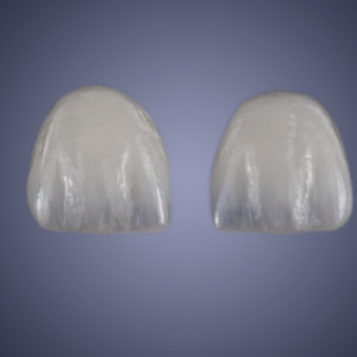 E.max veneers
High-strength porcelain with an ultra-natural look. Lasts 10 to 20 years.
-
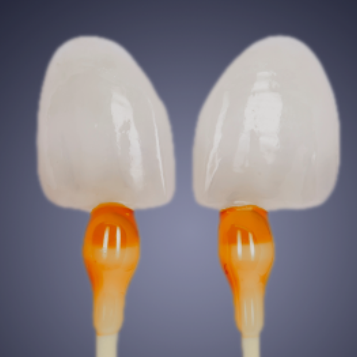 Ceramic veneers
A premium, biocompatible material with natural aesthetics for a bright smile.
-
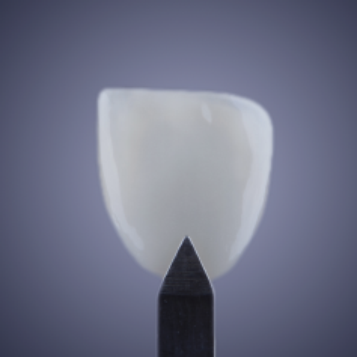 Composite veneers
An affordable option with quick placement and an immediate result in a single session.
-
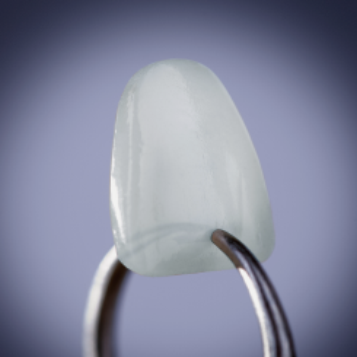 Lumineers
Ultra-thin, often with no tooth preparation. A minimally invasive option, reversible in some cases.


Before & After
Discover our patients’ results
Dental Veneers

Avant-après

Avant-après

Avant-après

Avant-après

Avant-après
Avant-après
Avant-après
Avant-après

Avant-après

Avant-après

Avant-après

Avant-après

Avant-après

Avant-après

Avant-après

Avant-après

Avant-après
Avant-après
Avant-après
Need more information?
Get in touch for more details.
Results, lifespan and innovations
When you invest in a smile, it is fair to ask how long it will last. The good news: ceramic veneers have been tracked scientifically for more than thirty years, so we now know fairly precisely what to expect, both for durability and for looks.

What the clinical studies say
The strongest data comes from three landmark studies.
Beier et al. (2012) assessed 318 ceramic veneers placed at the University of Innsbruck between 1987 and 2009. The survival rate reached 94.4% at 5 years, 93.5% at 10 years and 82.93% at 20 years. Ceramic fracture was the top cause of failure, close to 45% of cases, ahead of debonding, with untreated bruxism clearly raising the risk.
Layton and Walton (2012) followed feldspathic veneers for up to 21 years. The estimated survival rate held at 96% at 10 years and over the long term too, which confirms how well veneers bonded to prepared enamel hold up.
More recently, the meta-analysis by Klein and Spitznagel (2024), the most thorough to date, pooled the results of dozens of studies across every ceramic family. At around ten years out, the survival rate ranges from 93.70% for leucite glass-ceramic to 96.81% for lithium disilicate, depending on the material: in every case, ceramic veneers stay a very reliable option over time.

The factors that make a veneer last
So what makes a veneer last? The number one factor is the bonding surface. Alqutaibi et al. (2024) show that veneers bonded to enamel reach 99% survival, against 91% when the dentine is largely exposed. Hence the importance, for your dentist, of keeping as much enamel as possible during preparation.
Next comes the quality of the bonding protocol. Hydrofluoric acid etching, silanisation, light curing: each step counts towards a strong bond. A rigorous protocol, like the one used in our partner clinic in Istanbul, keeps the risk of debonding low.
Your habits weigh heavily too. Untreated bruxism, nail-biting, opening packaging with your teeth, very hard food: all of these are risky. If you clench at night, even mildly, wearing an occlusal splint is strongly advised.
Then there is hygiene, more mundane but decisive: brushing twice a day, daily flossing and a scale and polish every 6 months protect your veneers as well as your gums. Want some real feedback? Our patients share their experience in the dental veneer reviews section.

Aesthetic results: what to expect?
The result is visible straight away, as soon as the veneers go on. The shade is chosen at the consultation, taking into account the colour of your teeth, your complexion and your preferences. E.max veneers give a very natural look: their translucency and shades of opalescence faithfully reproduce the appearance of a real tooth.
Imad et al. (2024) followed e.max veneers over 5 years: the great majority kept a stable appearance, with minimal impact on the health of the gums and surrounding tissue. This shade stability is exactly one of ceramic’s big advantages over composite, which yellows over time. To see real transformations, browse our veneers before and after gallery.
Innovations and what lies ahead
The field is moving fast, and mostly in a good direction for patients.
On materials, hybrid ceramics pair the aesthetics and biocompatibility of ceramic with the flexibility of polymers. The result is veneers that take knocks better, of interest particularly in mild bruxism.
Artificial intelligence is also finding its way into Digital Smile Design. It analyses facial symmetry, the smile line and lip proportions to propose a perfectly harmonised design and, along the way, improve final satisfaction.
Fabrication, lastly, keeps getting finer: Some digital workflows can now produce veneers around 0.2 mm thick, which cuts the preparation further still. Smielak et al. (2022) confirm that these minimally invasive approaches hold up, over nearly ten years, as well as conventional veneers.
To explore all of our dental care in Turkey and get a personalised quote, our teams are here for you. And for a full view of the pricing, everything is set out on our dedicated dental veneer prices page.
In summary
Dental veneers are thin ceramic shells that reshape the form, colour and alignment of your visible teeth, for a natural, lasting smile. The choice of material makes all the difference: composite stays the most affordable but ages quickly, feldspathic wins on translucency, zirconia on strength, Lumineers on their thinness with no grinding. And at the centre of it all, e.max, the lithium disilicate that has become the benchmark, with a survival rate around 96% to 97% at ten years and a look very close to enamel.
Fitted well on healthy enamel, by an experienced team, your veneers can last 10 to 20 years. The keys to maximum longevity? A careful bond, good hygiene, a regular scale and polish, and a night guard if you grind. They do not suit everyone (severe bruxism, insufficient enamel, a malocclusion to fix first), which is why a proper diagnosis matters before you start.
At Body Expert, your project begins with a free video consultation and a 3D simulation of your future smile, in our partner clinic in Istanbul, selected for its facilities and its surgeons’ experience, with up to 70% savings compared with UK prices. The figures themselves? They are set out on the dedicated pricing page, with hotel, transfers and 12 months of follow-up organised for you. A question about your eligibility, your teeth, how the stay works? Our experts will prepare a free, personalised quote within 24 hours, with no obligation. It is often the simplest first step towards the smile you have in mind.
Sources and references
- Beier, U. S., Kapferer, I., Burtscher, D., & Dumfahrt, H. (2012). Clinical performance of porcelain laminate veneers for up to 20 years. The International Journal of Prosthodontics, 25(1), 79-85. https://pubmed.ncbi.nlm.nih.gov/22259802/
- Layton, D. M., & Walton, T. R. (2012). The up to 21-year clinical outcome and survival of feldspathic porcelain veneers: accounting for clustering. The International Journal of Prosthodontics, 25(6), 604-612. https://pubmed.ncbi.nlm.nih.gov/23101040/
- Klein, P., Spitznagel, F. A., Zembic, A., et al. (2024). Survival and complication rates of feldspathic, leucite-reinforced, lithium disilicate and zirconia ceramic laminate veneers: A systematic review and meta-analysis. Journal of Esthetic and Restorative Dentistry, 37(3), 601-619. https://pubmed.ncbi.nlm.nih.gov/39523553/
- Alqutaibi, A. Y., Saker, S., Alghauli, M. A., Algabri, R. S., & AbdElaziz, M. (2024). Clinical survival and complication rate of ceramic veneers bonded to different substrates: A systematic review and meta-analysis. The Journal of Prosthetic Dentistry. https://pubmed.ncbi.nlm.nih.gov/38604905/
- Smielak, B., Armata, O., & Bojar, W. (2022). A prospective comparative analysis of the survival rates of conventional vs no-prep/minimally invasive veneers over a mean period of 9 years. Clinical Oral Investigations, 26(3), 3049-3059. https://pubmed.ncbi.nlm.nih.gov/34927224/
- Imad, R., Tahir, S., Alidrissi, H., et al. (2024). Evaluation of E-max porcelain veneer failures: A retrospective study. Cureus, 16(4), e58957. https://doi.org/10.7759/cureus.58957
Our patients talk about us
-
 Léa's
Léa's -
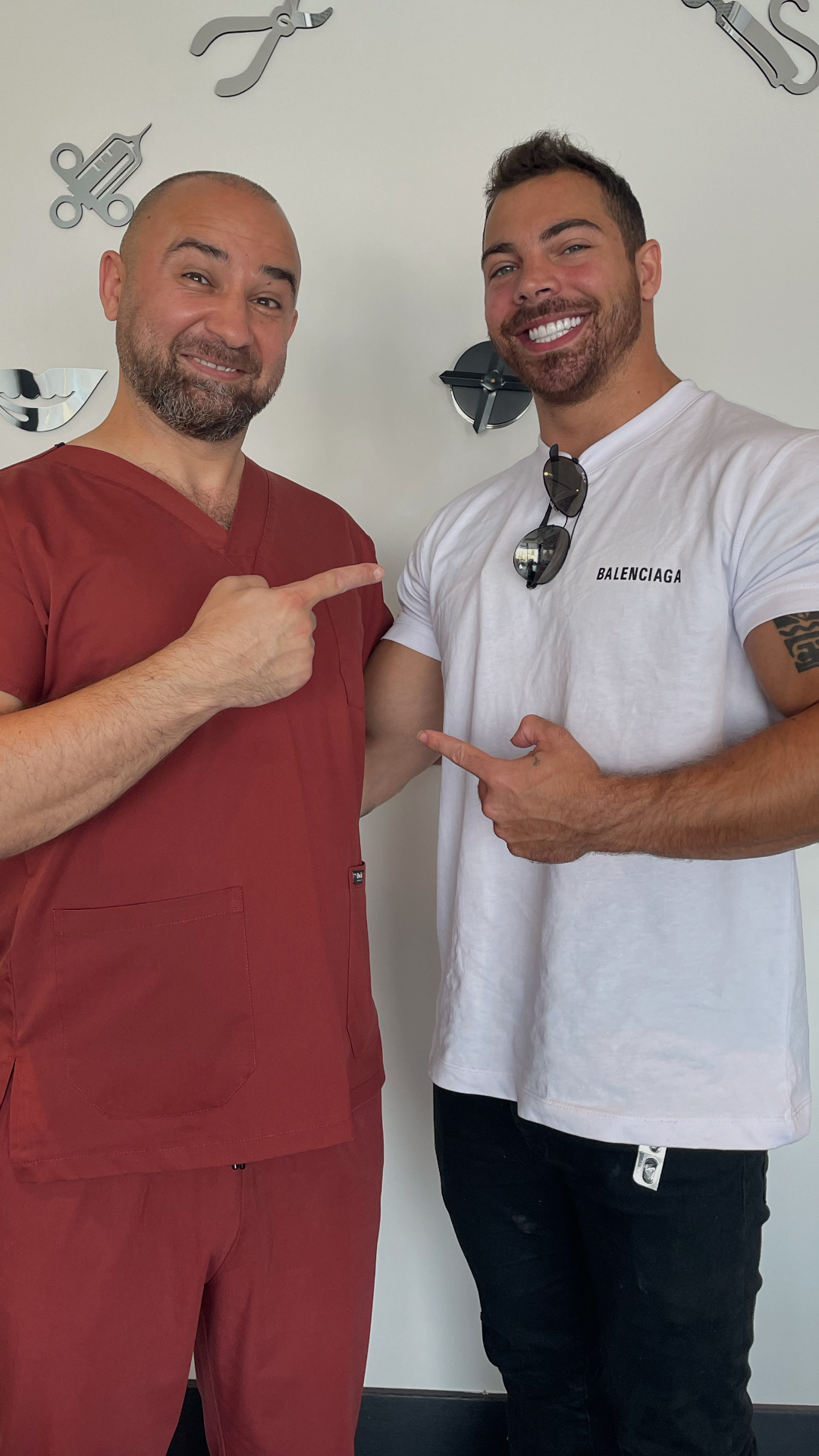 Alexandre's
 -
 Charlie's
 -
 Stella's
 -
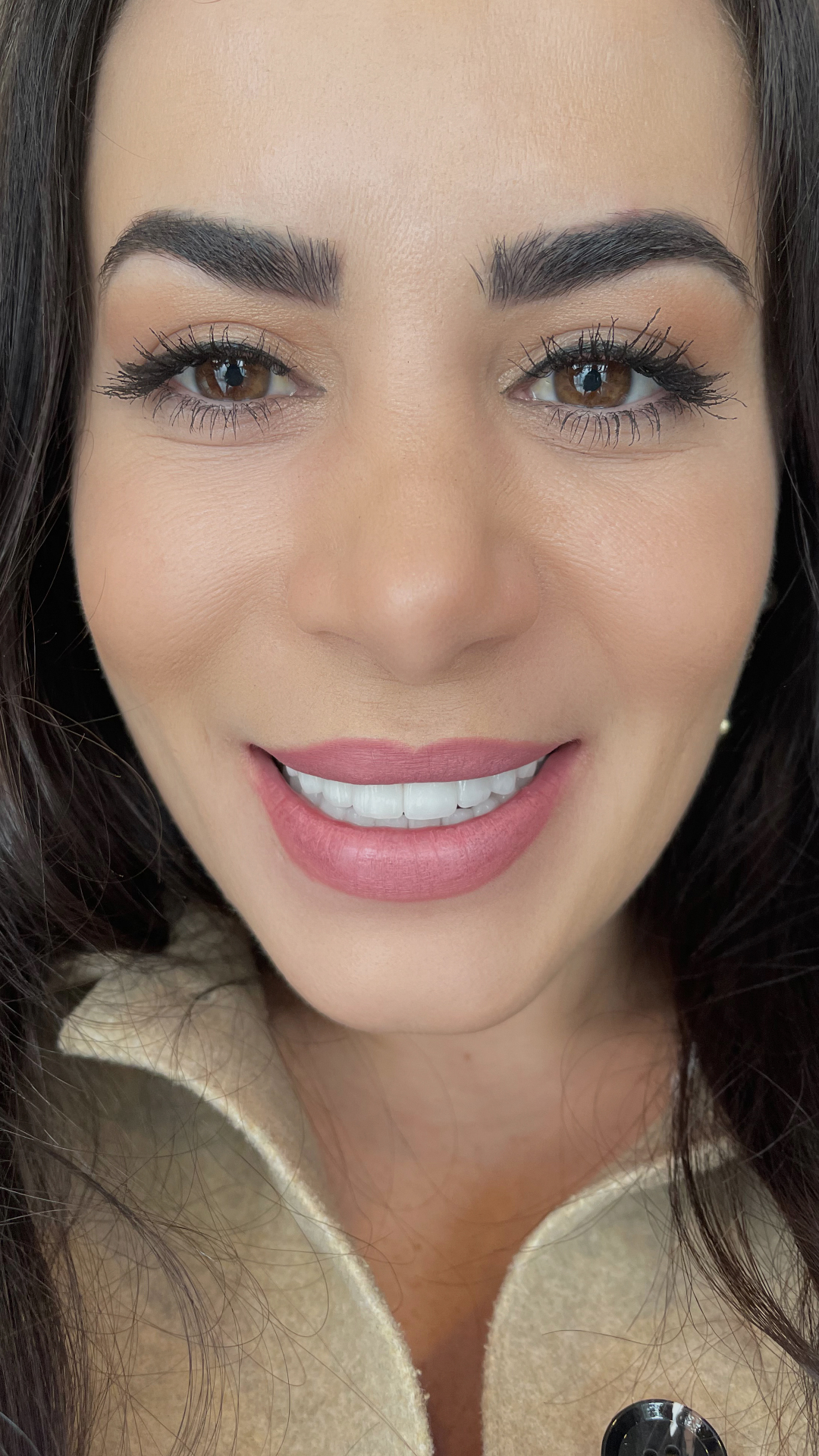 Tiphanie's
 -
 Sébastien's
 -
 Marie's
 -
 Nadia's
 -
 Samah's
 -
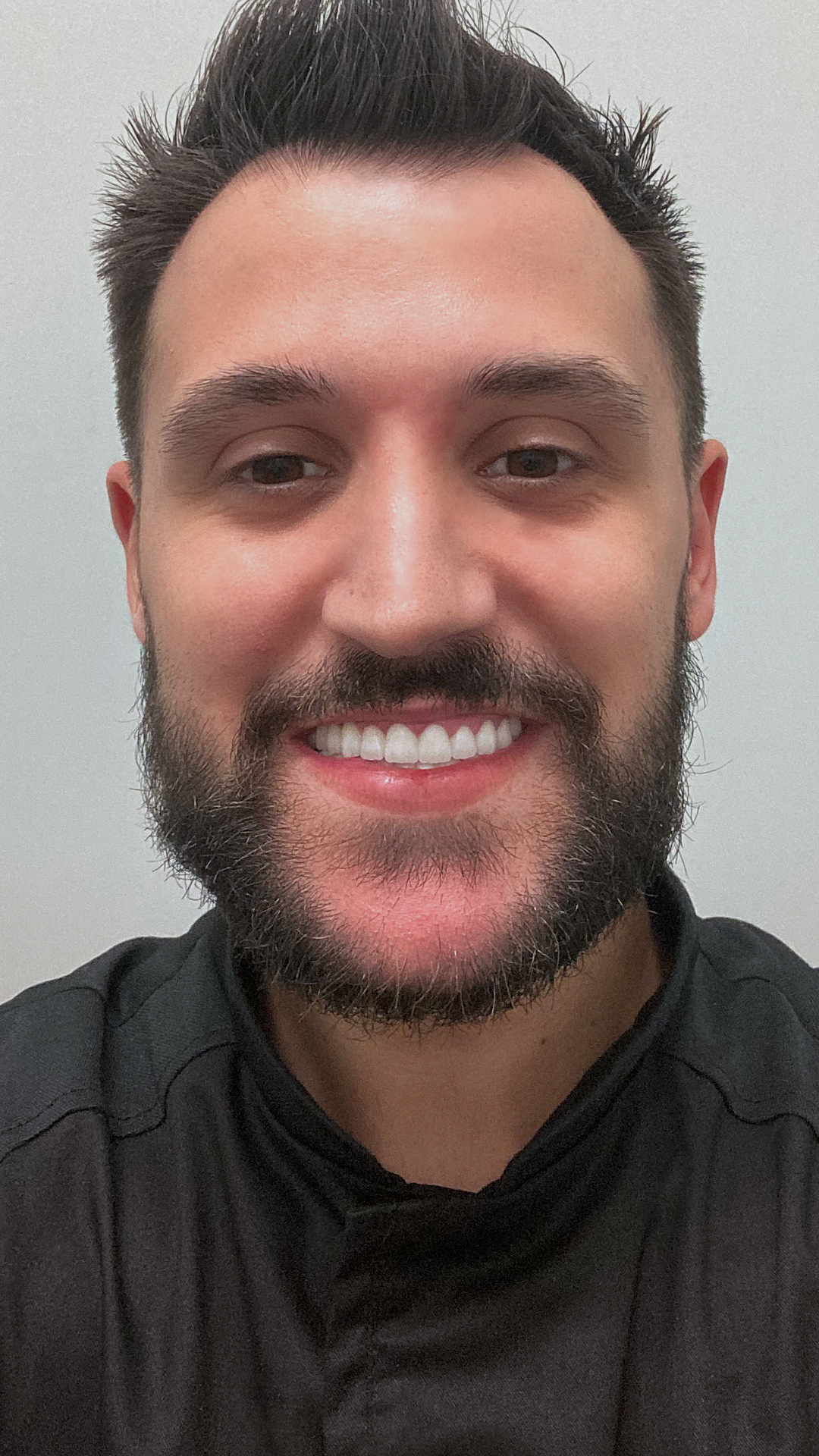 Laurent's
 -
 Laeticia's
 -
 Naouiri's
 -
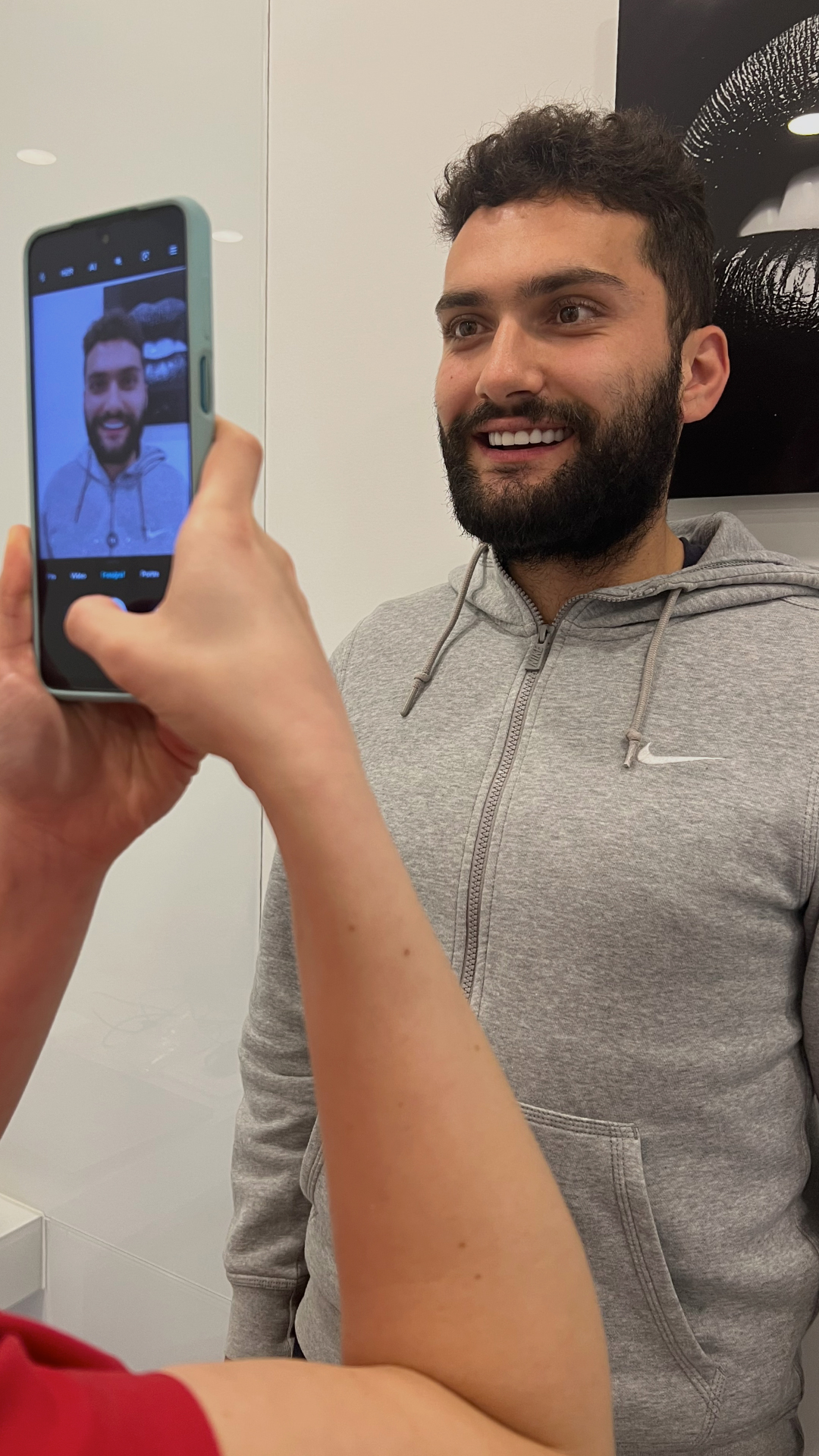 Antoine's
 -
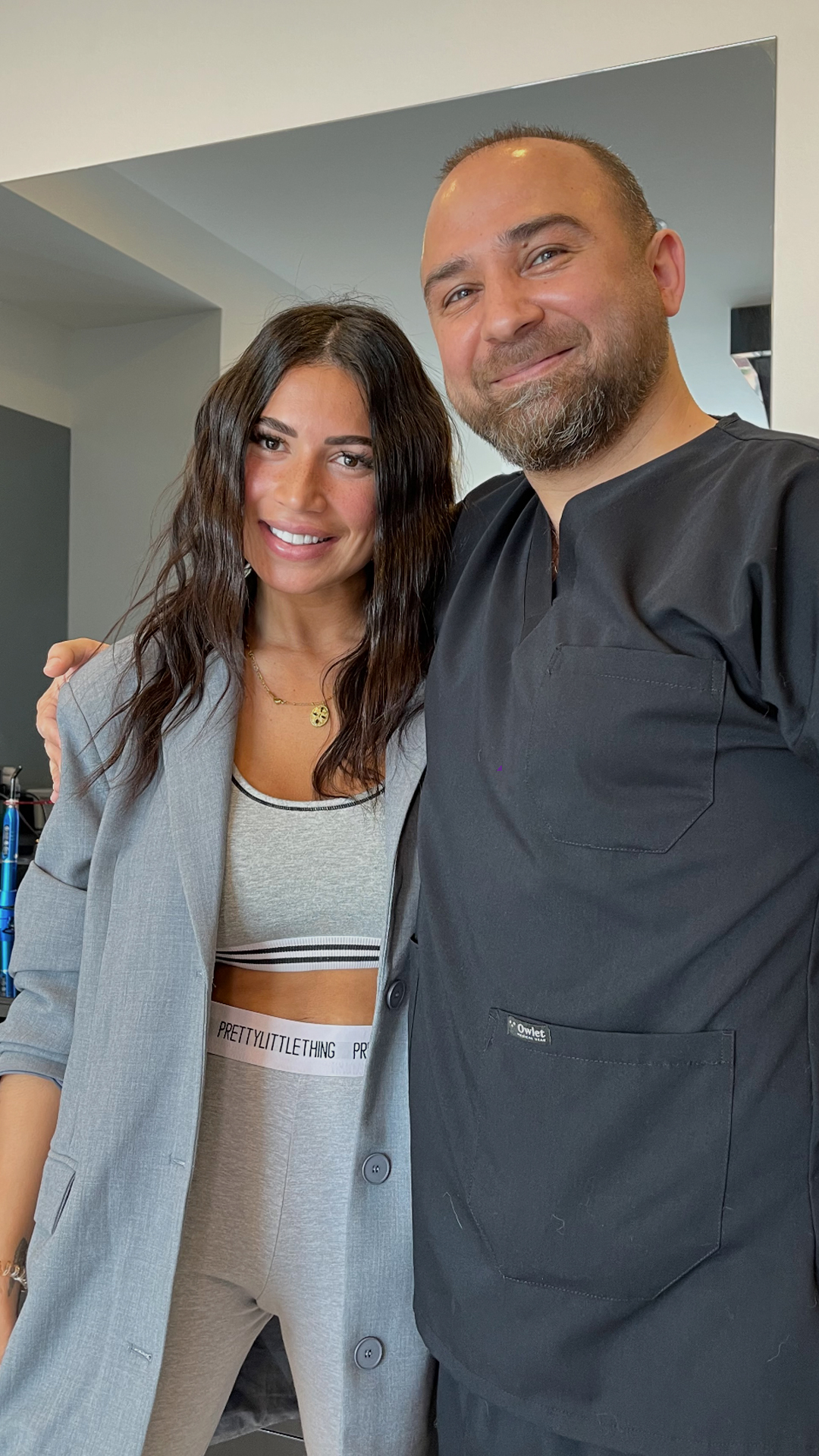 Lila's
 -
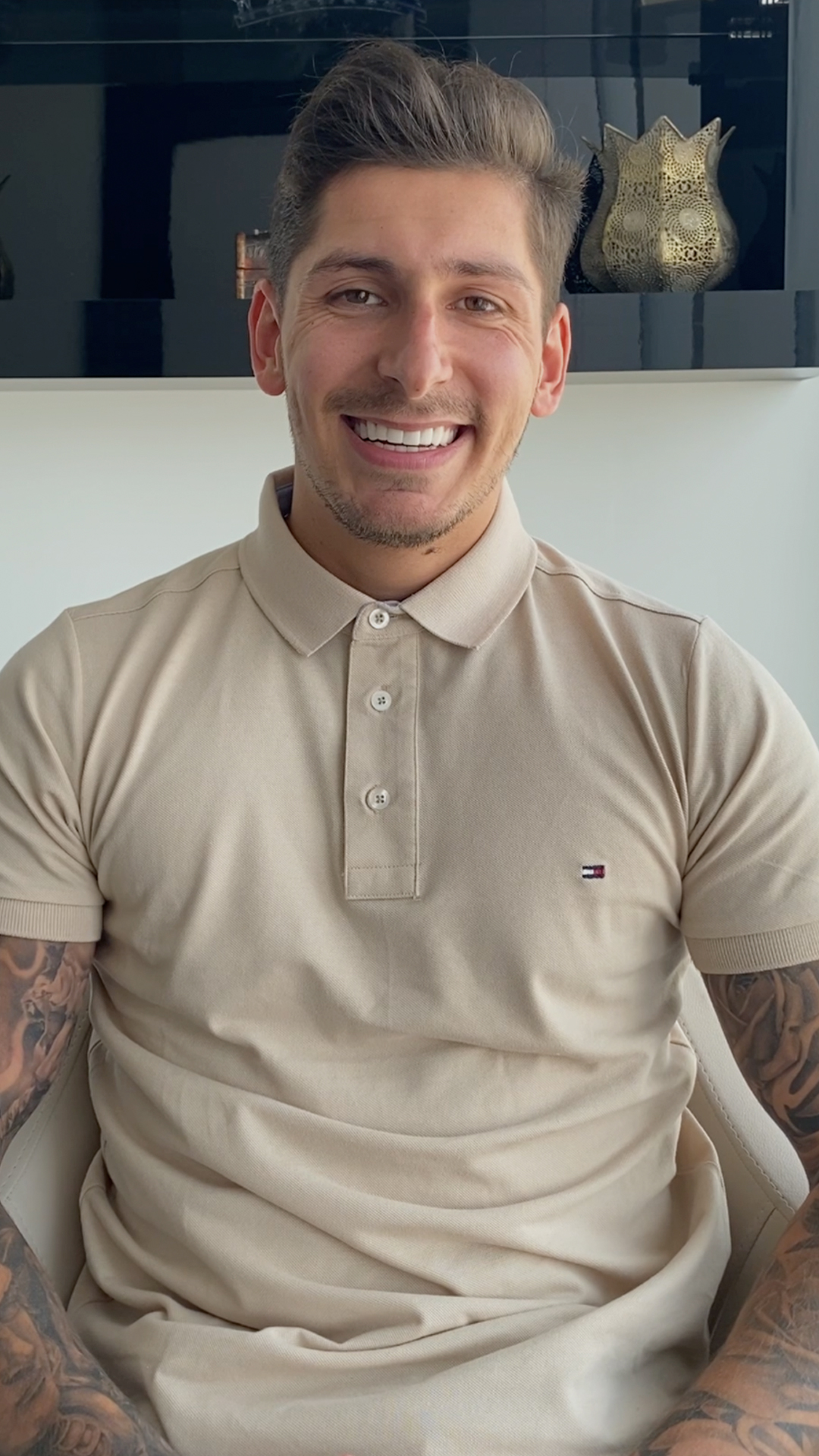 Geoffrey's
 -
 Andrew's
 -
 Louisa's
 -
 Véronique's


Frequently asked questions about dental veneers
Do dental veneers damage the teeth?
The preparation involves lightly reducing 0.3 to 0.5 mm of enamel, a genuinely small amount. With today’s techniques and ceramic veneers, as much tooth structure as possible is kept. Lumineers even allow a no-preparation fit in some cases.
How long do dental veneers last?
E.max ceramic veneers last 10 to 20 years on average with good upkeep. Clinical studies report very high long-term survival rates, up to 96% at 21 years for feldspathic veneers bonded to enamel. Composite veneers, on the other hand, tend to last 3 to 7 years.
Is fitting veneers painful?
Fitting is done under local anaesthetic, so the procedure is painless. Mild sensitivity to hot and cold can show up for 48 to 72 hours afterwards, easily eased with ordinary painkillers.
Can dental veneers be whitened?
No, ceramic does not respond to whitening treatments. That is why it is better to whiten your teeth before fitting, so the shade of your natural teeth matches the future veneers. The shade is then chosen for good at the consultation.
How many veneers do you need for a nice smile?
It depends on your situation and your goals. A targeted treatment covers 4 to 6 teeth, the central and lateral incisors. A full smile needs 8 to 10 on the visible teeth. A complete Hollywood smile can go up to 20 veneers across both jaws.
What is the difference between veneers and crowns?
A veneer covers only the visible face of the tooth, with a minimal reduction of 0.3 to 0.5 mm. A crown wraps the whole tooth and needs a larger reduction, 1.5 to 2 mm. Veneers target cosmetic corrections, dental crowns heavily damaged teeth.
Can veneers come off?
Debonding stays rare thanks to modern bonding protocols (etching, silanisation, light-cured composite resin). The main risk factors are untreated bruxism and habits like nail-biting. If one does come off, the veneer can usually be re-bonded.
Do the teeth need filing before veneers?
A light reduction of the enamel is needed in most cases, for a natural result without bulk. This preparation stays minimal and is carried out with precision diamond burs. To understand this step fully, read our article on tooth preparation for veneers.
Which celebrities have dental veneers?
Plenty of public figures have turned to veneers to fine-tune their smile. The technique is especially popular in film, television and on social media. We give some famous examples in our dedicated article on celebrities and dental veneers.
Why choose Istanbul for your dental veneers?
Istanbul brings together partner clinics fitted with advanced technology (CAD/CAM, 3D scanners) and experienced dentists. The upshot: up to 70% savings compared with the UK, covering a 5-star hotel, transfers, treatment and 12 months of follow-up. Body Expert supports you in English at every stage of your stay.
Discussing your project
After fitting: follow-up and caring for your veneers
The first 48 hours
Stick to soft, lukewarm food. Avoid strongly coloured food and drinks (coffee, red wine, curry). Brush gently with an ultra-soft toothbrush and skip flossing for 48 hours.
The first week
Gradually return to a normal diet. Use a low-abrasive toothpaste and alcohol-free mouthwash. A video check at day 7 with your Body Expert dentist confirms that everything is healing well.
The first month
A follow-up video consultation at day 30 assesses how well the veneers have settled. Go back to your usual eating habits, while avoiding biting into very hard food (whole apples, nougat).
Entretien à long aLong-term care
Brush twice a day, floss daily, and have a professional scale and polish every 6 months. If you grind your teeth, a night guard will protect your veneers. With this care, your e.max veneers can last 10 to 20 years.
OUR ARTICLES ON Dental veneers
-

-
-
-
-
-
-
 Composite veneers: how they are placed, how long they last and how they compare with porcelain
 -

-