

Ethnic rhinoplasty in Istanbul
Surgeons who specialise in ethnic noses
Natural, harmonious results
Full support in English from start to finish
Up to 70% savings

They're talking about us


Our prices and packages
Rhinoplasty
Offre et tarif : Rhinoplasty
Feel free to scroll through the different prices from right to left!
Your ethnic rhinoplasty journey in Istanbul
A personalised first consultation
Your surgeon assesses the shape of your nose and what you’re hoping for, either in an online consultation or in person in Istanbul. Digital simulations help you picture the likely result, always with respect for your ethnic identity.
Arrival in Istanbul and pre-operative checks
An English-speaking assistant is with you for the full round of medical tests. Our team coordinates every detail of your stay so that you’re in the best possible hands.
Surgery at our partner clinic
Your ethnic rhinoplasty is carried out by our specialist surgeons, at our modern partner clinic in Istanbul. The operation takes between 1.5 and 3 hours under general anaesthetic, with techniques matched to each type of nose.
Post-operative follow-up and heading home
The first check-ups happen on site before you head home. After that, our team keeps up close remote follow-up to support your healing and make sure the result lives up to what you wanted.

Enhance your profile with Body Expert
Our surgeons who specialise in ethnic rhinoplasty guide you towards a natural, harmonious result. The consultation is free, with no obligation.
Before & After
Discover our patients’ results
Rhinoplasty

Avant-après

Avant-après

Avant-après

Avant-après

Avant-après

Avant-après

Avant-après

Avant-après

Avant-après

Avant-après

Avant-après

Avant-après

Avant-après

Avant-après

Avant-après

Avant-après

Avant-après
Votre parcours à Istanbul
-
 Analyse morphologique
Étude des spécificités ethniques et plan chirurgical sur-mesure.
-
 Rhinoplastie à Istanbul
Intervention par un spécialiste de la rhinoplastie ethnique, dans notre clinique partenaire à Istanbul.
-
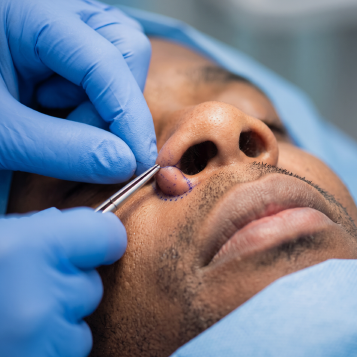 Convalescence
7 jours à Istanbul, retrait des attelles à J7, contrôles sur place.
-
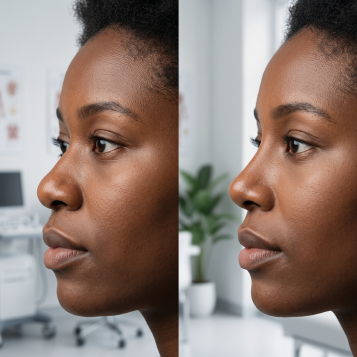 Suivi 12 mois
Évolution progressive du résultat avec assistance médicale continue.


Our accreditations


Our patients talk about us
-
 Nadia's
 -
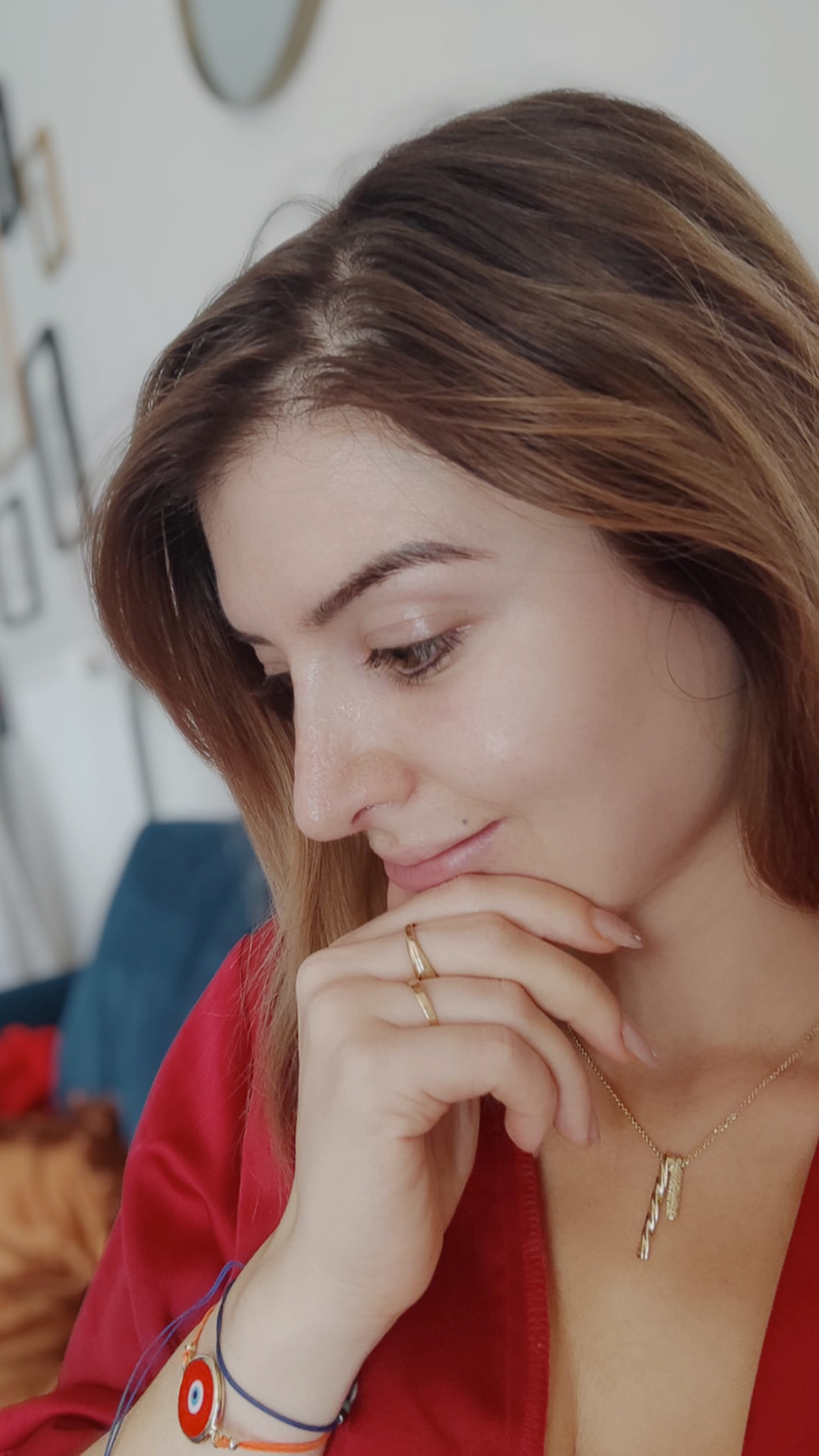 Laura's
 -
 Manon's
 -
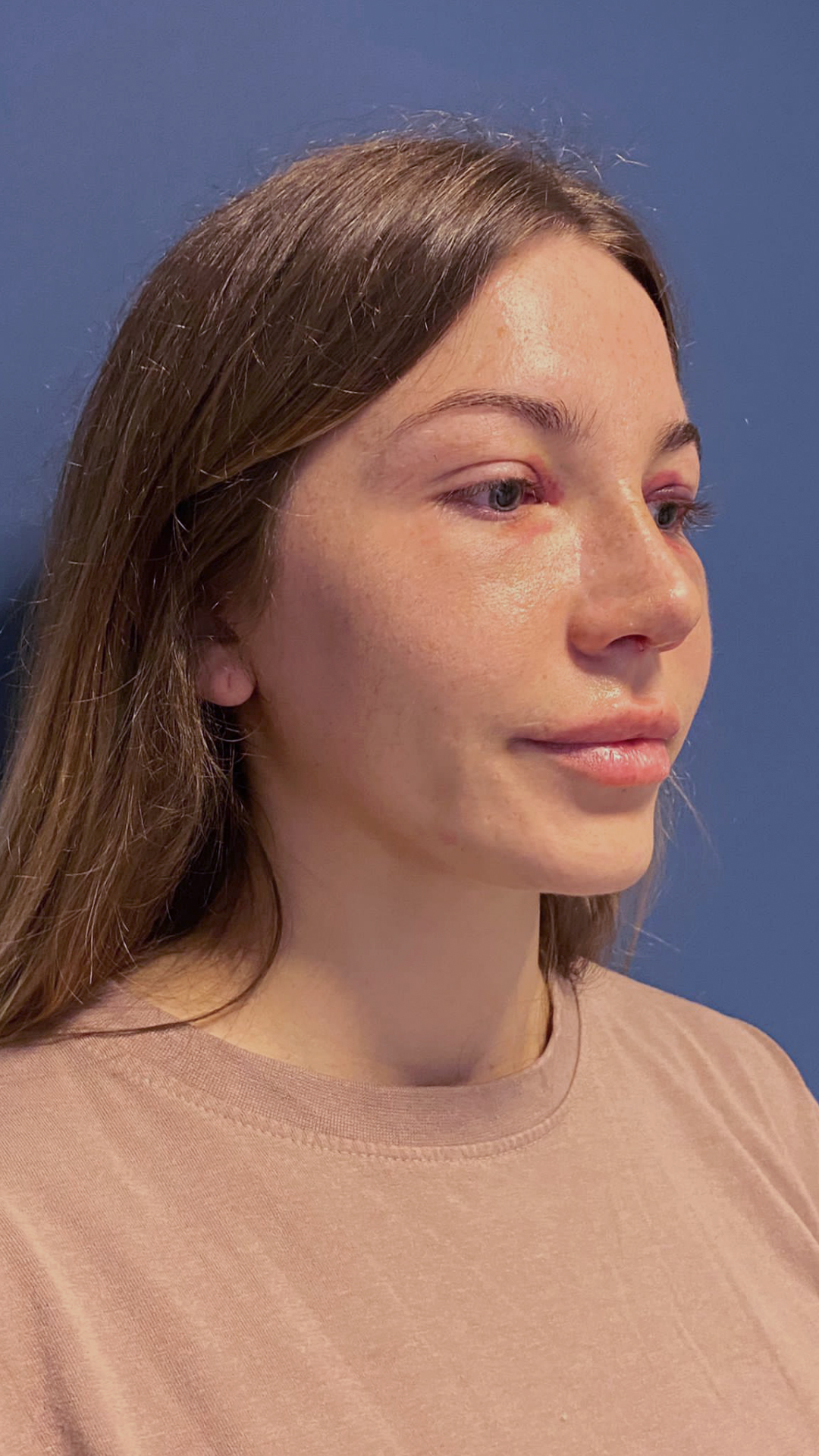 Marie's
 -
 Najat's


Frequently asked questions about ethnic rhinoplasty in Istanbul
What sets ethnic rhinoplasty apart from a standard rhinoplasty?
Ethnic rhinoplasty takes account of the anatomical features specific to each background: thicker skin, more flexible cartilage, a wider nasal base. Unlike a standard rhinoplasty, it enhances the nose without erasing your cultural identity. Our surgeons in Istanbul are skilled in the structural techniques suited to these particularities.
Am I a good candidate for ethnic rhinoplasty in Istanbul?
This operation is for people of African, Asian, Middle Eastern or mixed heritage who would like to change the look of their nose. You need to be in good general health, over 18 and have realistic expectations. Your surgeon assesses whether it’s right for you during the pre-operative consultation.
What changes are possible during this operation?
The most common steps: refining the tip of the nose, narrowing the nostrils, increasing the projection of the bridge or correcting a bump. Every plan is personalised to respect the balance of your face and your natural features.
How long is recovery after ethnic rhinoplasty?
The cast comes off after 7 to 10 days. Light activity picks up again after about 2 weeks. The swelling fades little by little, and the final result appears after 6 to 12 months, once the skin has settled onto the nose’s new structure.
Why is Istanbul a leading destination for ethnic rhinoplasty?
Istanbul is home to some of the most experienced ethnic rhinoplasty surgeons in the world, thanks to a very high number of operations. The clinics there are fitted with the latest equipment, and prices stay up to 70% lower than in the UK, a difference that comes from the local cost of living rather than the quality of care.
What are the risks of ethnic rhinoplasty?
Like any surgery, it carries some risks: prolonged swelling, temporary bruising, slight asymmetry or, more rarely, an infection. Thicker skin, common in ethnic patients, can lengthen healing a little. Choosing an experienced surgeon clearly reduces these risks.
How does post-operative follow-up work once you’re back home?
Our team looks after you remotely once you’re back, by video call. You send in regular photos, and your surgeon adjusts their advice as your healing progresses. If needed, a follow-up visit can be arranged in Istanbul.
Discussing your project

Ethnic rhinoplasty in Istanbul: what this specialised surgery involves
Ethnic rhinoplasty is nose surgery designed to respect the anatomical features specific to each background. Unlike a standard rhinoplasty, it doesn’t try to force every face into the same mould. It refines, it harmonises, but it keeps your identity intact. Whether your heritage is African, Asian, Middle Eastern or mixed, our surgeons in Istanbul match every move to the individual shape of your nose.
Demand has grown a lot in recent years, and that’s no accident. A systematic review published in Aesthetic Plastic Surgery in 2025, which examined 14 studies, shows that techniques adjusted to ethnic features give better surgical results than one-size-fits-all approaches. Istanbul has established itself as one of the leading destinations for this surgery, driven by the experience of its surgeons and the number of operations carried out each year.

The anatomical features of the ethnic nose
Every nose is unique, but a few constants set the so-called “ethnic” nose apart from the Caucasian nose. The skin is often thicker, the cartilage more flexible and less developed, the septum (the wall that separates the two nostrils) shorter, and the base of the nose wider. These particularities change everything: conventional reduction techniques, the ones that involve removing tissue, simply aren’t suited to it.
In patients of African heritage, the nose typically has a rounded tip, flared nostrils and a flat bridge. The supporting cartilage is thin and the skin over it is thick. So the structure has to be reinforced to achieve a visible refinement, not shaved down.
In patients of Asian heritage, you often find a low bridge, a tip with little projection and a wide base. The operation frequently relies on augmentation rhinoplasty, which builds up the bridge of the nose and reshapes the tip.
In patients of Middle Eastern or Mediterranean heritage, it’s a different picture: a pronounced bump, a drooping tip, skin of medium thickness. Here the surgeon combines removing the bump with rebuilding the tip.

The surgical techniques used in Istanbul
Our surgeons favour what’s called a structural approach: reinforcing the architecture of the nose rather than removing tissue from it. That’s the thinking behind a result that lasts and, above all, looks natural.
Autologous cartilage grafts
The idea? Taking cartilage from your own body (from the nasal septum, the ear or a rib) to rebuild the framework of the nose. Rib cartilage, from the ribs, is especially valuable in ethnic rhinoplasty: it provides the volume needed to project and support a nose whose starting structure is fragile. The evidence backs this approach. The study by Maassarani and colleagues (2023), carried out with 183 patients using the FACE-Q satisfaction questionnaire, reports a high satisfaction rate after this kind of reconstruction.
Alarplasty (nostril reduction)
Alarplasty narrows the width of the nostrils through fine incisions hidden in the natural creases. The scar? Discreet, and all but invisible once healing is complete.
Ultrasonic rhinoplasty
Used alongside the others, ultrasonic rhinoplasty reshapes the bony pyramid without breaking the nasal bones: ultrasound sculpts the bone with millimetre precision. The upshot is less swelling and bruising after the operation.

Istanbul: expert care without the UK price tag
In the UK, ethnic rhinoplasty comes with a price tag that many patients simply can’t stretch to. In Istanbul, the same operation becomes affordable, with up to 70% savings and all-inclusive care: surgery, consultations before and after, medical tests and personalised follow-up. A full breakdown of our packages is shown in the price table, higher up this page.
That price difference doesn’t come at the expense of quality, quite the opposite. Istanbul’s clinics have modern operating theatres and surgeons trained at leading institutions. The number of operations they carry out each year gives them a rare depth of skill, particularly in ethnic rhinoplasty, where the diversity of patients sharpens their expertise further.
If you’re considering a rhinoplasty in Turkey, Body Expert stays with you from the first conversation through to post-operative follow-up, with a dedicated English-speaking assistant at every step.

Preparation and follow-up: what you need to know
Before the operation
Getting ready involves a full blood test, a consultation with the anaesthetist and digital photos for the simulations. Two simple instructions make a real difference: stop smoking at least 4 weeks before the operation, and stop taking aspirin and anti-inflammatories 2 weeks beforehand. For the full picture on recovery, our article on what to expect after a rhinoplasty goes into the detail.
After the operation
A nasal cast protects your nose for 7 to 10 days. The bruising fades in 2 to 3 weeks, and sport becomes possible again after 6 weeks. As for the final result, it appears between 6 and 12 months: a little later for thicker skin, since the skin takes longer to shrink back onto the new structure. So the nose carries on refining itself long after the operation. To compare the methods, our complete guide to rhinoplasty sets out each technique.

Keeping your identity: the promise our surgeons make
The goal of ethnic rhinoplasty has never been to manufacture a “standard” nose. It’s about achieving a harmonious nose, one that sits naturally within the proportions of your face. A 2025 meta-analysis of 17 comparative studies, between Caucasian and non-Caucasian patients, confirms that approaches respectful of ethnic identity go hand in hand with better satisfaction and fewer complications than uniform techniques. Along the same lines, the technique described by Pozzi and colleagues (2023) with 1321 patients explicitly aims for a harmonious nose, true to each person’s origins.
Our surgeons in Istanbul take the time to listen and to understand what you really want. Every surgical plan is built to measure, balancing what you’d like aesthetically with respect for your heritage. It’s that attention to detail that separates a successful ethnic rhinoplasty from a result that would ring false.

In summary
Ethnic rhinoplasty in Istanbul is the chance to have your nose reshaped by surgeons who understand the specifics of thick skin, flexible cartilage and wide nasal bases, without ever rubbing out what makes you who you are. African, Asian, Middle Eastern or mixed-heritage noses: each shape calls for a precise technique, from rib cartilage grafts to alarplasty and ultrasonic rhinoplasty. These are structural moves, designed for a natural result that holds up over time.
Choosing Istanbul comes down to a simple equation: recognised expertise, partner clinics selected for their facilities and up to 70% savings compared with the UK. Body Expert is with you from beginning to end, with a dedicated English-speaking assistant, a stay based entirely in Istanbul and remote follow-up once you’re back home. Reckon on a cast for 7 to 10 days, two to three weeks to see the bruising go, and a result that sharpens up over 6 to 12 months.
Wondering whether your nose is a good candidate, or still on the fence? The answer starts with a simple conversation. Ask for your free quote within 24 hours: our advisers look at your case, answer your questions and lay out a clear plan, with no obligation.
Sources and references
- Maassarani, D., Challita, R., Zeaiter, N., et al. (2023). Ethnic rhinoplasty: A Middle East-centered patient satisfaction survey using the FACE-Q questionnaire. Cureus, 15(6), e40048. https://doi.org/10.7759/cureus.40048
- 2. Reid, D., Sejour, P. M., Kahlon, S., Porterfield, J. Z., & Toman, J. (2025). Ethnic variations and surgical outcomes in rhinoplasty: A systematic review. Aesthetic Plastic Surgery, 49(24), 6877-6885. https://pubmed.ncbi.nlm.nih.gov/40494973/
- 3. Hashemipour, Y., & Danesh, H. A. (2025). Ethnic considerations in rhinoplasty: A meta-analysis of outcomes and complications in Caucasian versus non-Caucasian patients. Aesthetic Plastic Surgery, 50(4), 1537-1546. https://doi.org/10.1007/s00266-025-05189-w
- Pozzi, M., Fàdel, C., Bolletta, A., Cuomo, R., & Weck Roxo, C. (2023). Ethnic rhinoplasty: Preliminary results of our technique in the pursuit of the harmonious nose. Journal of Plastic, Reconstructive & Aesthetic Surgery, 87, 135-146. https://pubmed.ncbi.nlm.nih.gov/37839388/