Dents
Sourire
Prothèse
Mastication
Esthétique dentaire
Dental implants: how they work, placement and recovery
This guide follows the full path of a dental implant, from the assessment of your bone volume and gums through to the final prosthesis. It sets out what losing a tooth changes for chewing, for speech and for the balance of the teeth around the gap, then explains the osseointegration that dictates the timetable. After that come implant lengths according to the bone available, the prostheses they carry, the surgical risks, how implants are funded in the UK, and how a stay in Turkey with Body Expert is organised.
Dental implants at a glance
Procedure duration
1-2 hours / implant
Average lifespan
20 + years
Eat normally after
3-5 days

Medical validation
What is a dental implant?
An artificial root made of titanium
A dental implant takes the place of the root of a lost tooth: a titanium screw is set into the upper or lower jawbone, where that root used to sit. It becomes the anchor point for a crown, a bridge or a full prosthesis. Titanium is chosen for a property few materials share: living bone lays itself down directly on its surface and locks onto it, a process called osseointegration. The final restoration is only fitted once that bond has formed, which spreads the treatment over several months.

The reconstruction has three separate parts. In the bone, the implant takes over the mechanical job of the missing root. Above the gum, an abutment bridges the gap to the visible part. The crown, the bridge or the denture then forms the tooth, or the group of teeth, that you see and chew with. Those three parts are designed together: an anchor that has integrated perfectly under a poorly fitted crown, or careful ceramic work on an anchor that is too short, both leave you with a disappointing result.
Placement is dental surgery and falls exclusively to an oral surgeon or to a dentist who specialises in implantology. The procedure involves bone, nerve and sometimes the sinus, and the treatment plan has to account for the remaining teeth, the state of the gums and the bone actually available. A practitioner trained in implantology also judges whether the site can take an implant straight away, or whether an extraction, a graft or a sinus lift has to come first.
What losing a tooth leads to
A gap left in the arch changes over time. Chewing shifts to the side that still has teeth, which tires those teeth and makes some foods hard to bite through. Speech shifts too, because the tongue and the airflow press against the teeth to shape part of our sounds: a gap at the front is often heard before it is seen.

The gap then unsettles the whole dentition. The teeth on either side gradually tip into the free space, and the opposing tooth, the one in the other arch, drifts down for want of contact. These movements are slow, which gives the impression that nothing is happening while the bite comes apart month after month. Replacing the missing tooth therefore protects the teeth still in place as much as the function that has been lost. Those migrations also weigh on the replacement itself: a tilted neighbouring tooth narrows the space for the prosthesis and an over-erupted opposing tooth reduces the height available, so an old gap sometimes calls for a period of preparation before it can take an implant.
When the missing tooth sits at the front of the mouth, the cosmetic loss adds to these mechanical effects: the gap shows when you speak, when you smile and in photographs. In that area people ask for a replacement sooner, because the social discomfort comes before the chewing problem. Further back, it is function that raises the alarm, sometimes after the neighbouring teeth have already begun to move.
What an implant changes day to day
Compared with a traditional removable denture, an implant and its restoration give you something durable and comfortable that looks close to natural. A removable denture rests on the gum tissue and, often, on clasps or a plate; it comes out at night and for cleaning. Once osseointegrated, the implant stays put, and the rebuilt tooth is looked after like a natural one, with brushing and interdental cleaning.

That stability also changes how patients feel. Many describe, with a removable denture, the worry that it might come loose while they are talking or eating, and an anchor in bone takes that doubt away. An implant is still a device, though: it has no ligament, and the tissues around it need hygiene that is as rigorous as for natural teeth, if not more so.
Functionally, a well integrated implant allows efficient chewing and natural speech. The chewing load passes into the bone, which keeps it stimulated. A missing tooth, by contrast, leaves the alveolar bone unloaded, and that volume tends to shrink over time. This is one of the reasons a replacement put off for years then calls for a bone graft, a sinus lift or a shorter implant.
The lifespan you can expect comes from that integration. Depending on the patient’s age, an implant can last a lifetime, with no fixed replacement interval, where a removable denture wears out and has to be remade. Maintenance is the condition for that lifespan, and the crown, a separate part exposed to wear and knocks, follows its own review schedule.

What 10-year and 20-year follow-ups show
Clinical follow-up puts figures on that lifespan. Howe, Keys and Richards pooled 18 prospective studies on implant survival at 10 years. The survival rate comes out at 96.4% (95% confidence interval: 95.2 to 97.5). When the sensitivity analysis includes patients lost to follow-up, the figure drops to 93.2%. Both readings describe the same body of data: the first counts the implants still seen at check-ups, the second estimates what became of the records whose trail goes cold. Either way, more than nine implants in ten are still working at ten years.
Those two numbers are read alongside their method. The 95% confidence interval gives the range the true rate most likely falls within, given the size of the samples pooled, here between 95.2 and 97.5. The sensitivity analysis recalculates survival by including the records that dropped out of follow-up, whose outcome is unknown, and that more cautious calculation brings the rate down to 93.2%. The first figure reports what was observed, the second what incomplete observation may cost.
The same work flags a point about age: the risk of losing an implant is possibly doubled after 65. That factor goes into the assessment alongside smoking or gum disease, at the point where the treatment plan is discussed. In a younger patient, with favourable bone and good hygiene, keeping an implant for life remains a realistic prospect; after 65, the conversation takes this possible increase in risk into account.

Over a longer horizon, Kupka and colleagues ran a 20-year meta-analysis. Mean implant survival reaches 92% in prospective studies, 78% once patients lost to follow-up are imputed, and 88% in retrospective studies, so roughly 4 implants in 5 are still working at twenty years. The gap between 92% and 78% measures what the statistical handling of incomplete records does to the same finding: most implants followed for two decades stay in place. The causes of failure are described there as multifactorial, which matches day-to-day practice, where bone, infection, overload, smoking and hygiene weigh together rather than separately.
The visible part has follow-up data of its own. Pjetursson, Sailer, Latyshev and their co-authors analysed 49 trials and prospective studies, covering 57 cohorts, on all-ceramic single crowns on implants, whether layered or monolithic. Survival of those crowns at 3 years ranges from 96 to 97.6% depending on the ceramic material. That rate measures how the ceramic restoration holds up, which is separate from the anchor beneath it: a cracked, worn or debonded crown is usually repaired or replaced on an implant that has stayed healthy, and a stable implant still needs its prosthesis watched. Follow-up therefore runs on two levels, bone and prosthesis, as the dental crowns guide also sets out.

How long osseointegration takes
Between placing the implant and fitting the final prosthesis, 3 to 6 months are needed for the bone to bond to the titanium surface. Over those weeks the bone reorganises itself against the implant, and loading it definitively too early would expose the anchor to micromovement at the very moment that bond is forming. The timetable your practitioner gives you follows from this biology: it varies with the site, the bone quality and any preparatory stages.
The full treatment, first examination through to the final crown or bridge, therefore runs over several months. That biological delay is the same in the UK and abroad. What varies from one centre to another is how long you wait for a chair and for the dental laboratory, depending on the diary the centre is working with.

From assessment to treatment plan
Three things decide whether it can be done: the remaining teeth, the state of the gums and the volume of bone in the jaw. Inflamed gums or untreated periodontitis weaken the future margin around the implant, where inflammation then reaches the supporting bone. Bone that is too thin or too shallow does not give a standard-length implant the envelope it needs. Teeth that are beyond saving and still in place occupy the site and will have to come out before it. From that examination comes a treatment plan tailored to you, with a timetable for each stage.
When the site is not ready, a preparatory phase is added, with an extraction, a bone graft or a sinus lift depending on the deficit found. A graft rebuilds height or width. A sinus lift, at the back of the upper jaw, raises the sinus floor to recreate bone beneath that cavity. These preparatory stages lengthen the process, because the graft or the newly formed bone consolidates before it can take the implant, unless the protocol chosen allows both to be done in the same session.
Placement itself is carried out under local anaesthetic. The diameter and length chosen, the depth of burial and the angulation follow from the bone volume measured at the assessment and from how the site relates to the inferior alveolar nerve in the lower jaw or the sinus floor in the upper jaw. The last stage fits the restoration chosen, a single crown, a bridge on several implants, a full screw-retained bridge or a clip-on removable denture, once the anchor is judged stable.

Implant lengths and prostheses: what decides the choice
The length chosen follows the height of usable bone above the nerve or below the sinus. Two anatomical limits frame that choice: in the lower jaw, the inferior alveolar nerve, which the implant must keep clear of; at the back of the upper jaw, the sinus floor, which lowers the usable height. Ridge width counts as much as height, since bone that is too thin will not wrap around the implant on all sides. Intact bone takes an implant of ordinary size; a resorbed ridge points towards a shorter implant, which sometimes saves a graft; severe atrophy of the upper jaw leads to looking for the anchor outside the jaw, in the cheekbone. Each format is set out further down, and the zygomatic implants guide covers the particular case of malar anchorage.
The prosthesis answers to other criteria: how many teeth are missing, where they sit on the arch and what the patient can clean every day. A single missing tooth calls for a single restoration. Several gaps next to each other are treated in one piece, which cuts the number of anchors needed. A whole arch is rebuilt on a small number of implants spread across it, fixed or clip-on depending on the patient’s dexterity and hygiene. That last criterion counts for more than you might think: a fixed reconstruction is cleaned in place, around abutments that are sometimes hard to reach, whereas a clip-on denture comes out to be brushed away from the mouth. The All-on-4 protocol is described in the All-on-4 dental implants guide.

Organising a stay with Body Expert
When the treatment plan points towards Turkey, Body Expert organises the trip around our partner clinic. The package covers the 5-star hotel (nights and breakfast), the VIP transfers between the airport, the hotel and the treatment centre, a dedicated English-speaking coordinator, and 12 months of post-operative follow-up. Your quote is free within 24 hours, with no obligation, and the fees charged mean up to 70% savings compared with the UK. You book your flight yourself.
The 12-month follow-up covers the period while osseointegration finishes, the final prosthesis is fitted if it was not delivered straight away, and hygiene advice is adjusted. A patient wondering about a pain, a healing abutment or a clip on a denture gets an answer in English without waiting for their next trip. How things work on site, how long stays last and the protocols on offer are set out on the dental implants in Turkey page.
Sources
- Howe, M. S., Keys, W., & Richards, D. (2019). Long-term (10-year) dental implant survival: A systematic review and sensitivity meta-analysis. Journal of Dentistry, 84, 9-21.
- Kupka, J. R., König, J., Al-Nawas, B., Sagheb, K., & Schiegnitz, E. (2024). How far can we go? A 20-year meta-analysis of dental implant survival rates. Clinical Oral Investigations.
- Pjetursson, B. E., Sailer, I., Latyshev, A., et al. (2021). A systematic review and meta-analysis evaluating the survival, the failure, and the complication rates of veneered and monolithic all-ceramic implant-supported single crowns. Clinical Oral Implants Research, 32(S21).
The implant journey, step by step
Initial assessment and timetable
Your dentist measures the height and width of bone available, checks the gums and assesses the teeth that remain. You then get a costed treatment plan spread over time, which sets the date of each procedure.
Preparing the site
If the bone or the gum cannot take the implant as things stand, an extraction, a sinus lift or a bone graft comes first. A consolidation period is then added to the original timetable.
Placing the implant
The procedure is done under local anaesthetic, by a dentist who specialises in implantology or by an oral surgeon. You stay awake, with the operating area numbed, and the implant goes in at the depth planned at the assessment.
Bone healing and fitting the prosthesis
The bone bonds to the titanium over 3 to 6 months. The crown, bridge or denture is then fixed to the anchor once it is stable, which gives you back your chewing and the look of your smile.

Ask for an opinion on your implant plan
You get a free quote within 24 hours, with no obligation, based on your own dental situation.
Our prices and packages
Dental Implants
Offre et tarif : Dental Implants
Feel free to scroll through the different prices from right to left!
Implant lengths and when they are used
-
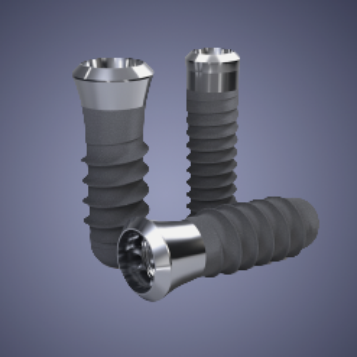 Standard implants
At 10 to 15 mm, this is the format used most often in implantology, when the height and width of bone are enough to hold it. Titanium is the reference material.
-
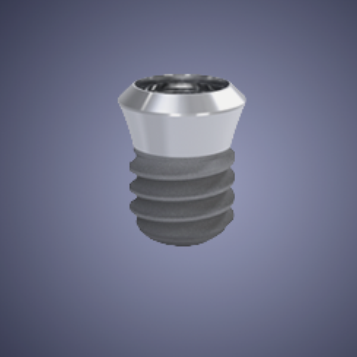 Short implants
At 6 to 8 mm, these come into play when the bone ridge cannot take a longer screw. On some reduced sites this format saves a graft and shortens the process by the same amount.
-
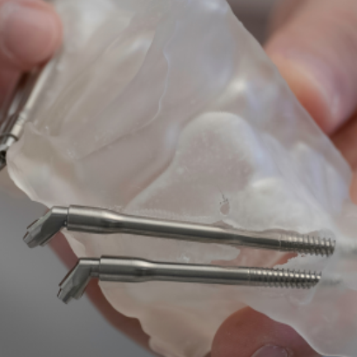 Zygomatic implants
At 30 to 50 mm, these find their support in the malar bone, the cheekbone, rather than in the jaw. That route is kept for arches whose bone can no longer hold a standard implant.


The prostheses an implant can carry
-
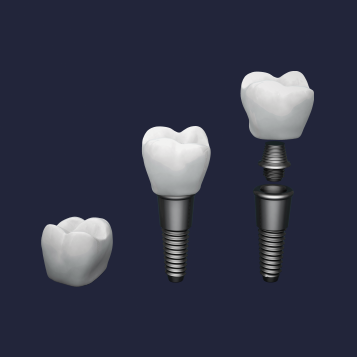 Single crowns on implants
These replace one tooth and fix directly onto the anchor. In ceramic, or ceramic bonded to metal, they reproduce the shape and shade of the missing tooth.
-
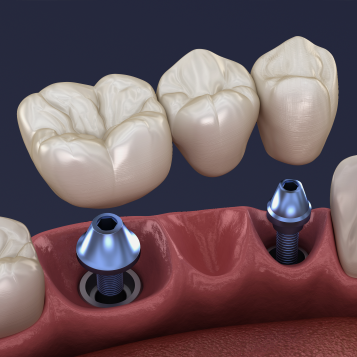 Bridges on 2 to 4 implants
A bridge rests on several anchors and replaces several adjacent teeth in one piece. This setup saves placing an implant for every missing tooth when the gaps run side by side.
-
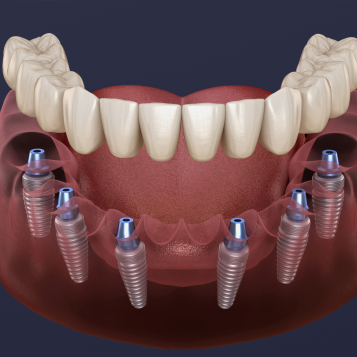 Full fixed screw-retained bridges
Known as All-on-4 and All-on-6, these rebuild a whole arch on 4 to 8 implants. The bridge is screwed onto those anchors and stays fixed in the mouth.
-
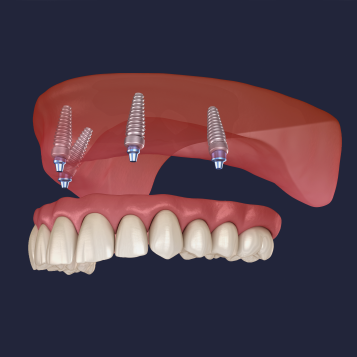 Removable dentures on 2 to 4 implants
Clips hold them on 2 to 4 implants, which steadies them considerably compared with a denture resting on the gum alone. They replace a full set of teeth while still coming out for cleaning.


What are the risks and side effects?
Implant work is considered minor surgery and problems remain uncommon. They do happen, though, and consenting to treatment means knowing about them beforehand. The usual after-effects, local swelling and difficulty chewing for the first few days, are part of the normal course; what follows here is risk, even when rare.

Risks during the procedure
The surgical stage carries a risk of bleeding, nerve injury, sinus perforation or a reaction to the anaesthetic. Bleeding is usually controlled there and then, and it is one of the events a patient should be told about. Nerve injury, particularly near the inferior alveolar nerve in the lower jaw, can show up as discomfort or numbness in the lip, chin or tongue; it is uncommon and often temporary, though it cannot be ruled out from the start. At the back of the upper jaw, the maxillary sinus sometimes sits right against the implant site, and perforating that cavity is a recognised risk, distinct from a planned sinus lift, which opens the sinus in a controlled way. Local anaesthetic, finally, can provoke a reaction, as any injected anaesthetic can.
Whether these events happen depends on the anatomy, on where the implant goes and on the patient’s history. Examining the bone volume and how the site relates to the nerve and the sinus is exactly what anticipates them: a treatment plan that locates these structures before placement takes some of the surprise out of the surgical stage.

Risks after placement
In the weeks and months that follow, failure of osseointegration, infection, persistent pain or problems with the prosthesis all remain possible. Failure of osseointegration means the implant does not bond to the bone, or comes away from it; it is then removed, which leaves the door open to another attempt after healing and, if needed, rebuilding of the site. Infection around the implant, early or late, threatens both the gum and the supporting bone. Pain that settles in beyond the expected after-effects means reviewing the site, the bite or the restoration. The prosthesis, for its part, can crack, debond, work loose or rub the soft tissue, problems that concern the fitted part and often leave the anchor intact.
The causes of these failures are multifactorial, as the 20-year follow-up already quoted points out: smoking, hygiene, bone quality, occlusal overload and general illness add up, and a single factor rarely explains an implant that does not hold. After 65, the risk of loss is possibly doubled, according to the analysis by Howe and colleagues, which justifies a closer assessment and more attentive upkeep once the anchor is in place.
Smoking, hygiene and underlying disease
Three factors clearly worsen the picture: smoking, poor oral hygiene and periodontal or bone disease. Smoke reduces the blood supply and slows healing; it weighs on the bond to bone and on infection risk alike. Plaque left around the implant keeps the margin inflamed, and that inflammation can move on to the bone. Periodontitis already established on the natural teeth, or a bone disease that weakens the upper or lower jaw, puts the anchor on less favourable ground.
Giving up smoking before treatment and improving oral hygiene set the conditions for healing, and then for how long the implant lasts. Both are part of the treatment in the same way as the surgery, because they act on the ground the anchor has to build itself into.

What the NHS covers
The NHS almost never funds dental implants. They are available on the NHS only in a small number of specific clinical situations, and never for treatment carried out abroad. For most people, implants and the crowns fitted on them are private treatment, so the whole cost falls to the patient.
That leaves you comparing private quotes. Fees vary with the surgeon’s experience, the implant brand, the materials used for the crown and the dental laboratory behind the work, and a quote that looks cheap sometimes leaves out stages such as a graft or the final prosthesis. Reading a quote line by line, and checking what each stage covers, tells you more than the headline figure.

Private dental insurance and dental plans
Private dental policies and cash plans generally work with an annual allowance or a ceiling, and the level depends on the cover you have taken out. Implants are often excluded outright, capped at a modest amount, or subject to a waiting period after you join. A more extensive contract raises that ceiling, where an entry-level one keeps it low, sometimes below the cost of a single implant and its crown.
To make the most of the allowance, some patients spread treatment over several years. Splitting it up shares the cost across several policy years and delays replacing the teeth still missing, while the neighbouring teeth carry on drifting. It works when the remaining teeth are stable, and becomes questionable if the gap already open is tipping its neighbours or if chewing has already moved to the other side.
Before travelling abroad, ask your insurer whether your dental allowance applies outside the UK, and to which items. Some policies are territorial, others accept treatment carried out in Turkey as long as invoices and a treatment report are provided. Body Expert supplies the paperwork for the treatment carried out; how the claim is handled remains a matter for your own contract, and the insurer’s answer comes case by case.

Why patients travel for dental treatment
Faced with private fees at home, many patients look abroad, to Turkey or eastern Europe, for shorter waits and a lighter bill. Osseointegration keeps its 3 to 6 months whatever happens; what shortens is the wait before the first placement and the run of prosthetic appointments, when one centre brings together assessment, surgery and laboratory.
Body Expert sets that stay in an English-speaking framework. Our partner clinic sees you for the placement, while the 5-star hotel, the VIP transfers and your dedicated coordinator take care of the logistics. The 12-month follow-up picks up when you get home, for remote check-ups and healing advice. You book your flight yourself. The quote, free within 24 hours and with no obligation, itemises every part of the treatment so you can compare it, line by line, with the proposal you have been given at home.

Looking after your implant
How well the implant and its restoration hold up over time depends on hygiene and on following the post-operative advice. Brushing, cleaning between the teeth or under a bridge and regular check-ups with a dentist are part of the treatment for as long as the implant is in your mouth. Plaque builds up around an anchor just as it does around a natural tooth: cleaning the neck and the abutments carefully, then booking a check-up at the first sign of gum inflammation, keeps that risk down.
An implant can, depending on age and general health, last a lifetime, as long as its margin stays free of infection and the prosthesis is reviewed when it wears. A cracked crown, a loose bridge or a worn denture clip is repaired or replaced without touching the anchor, provided the inflammation has not reached the bone.
The 12 months of Body Expert follow-up cover the first year, the year of the bond to bone and of getting used to the restoration. After that, upkeep is the same as for any restored tooth: keeping an eye on the gum, the bite and the state of the crown or bridge. That regularity is what decides whether the survival rates reported at 10 years and 20 years hold true in an individual case.
Before & After
Discover our patients’ results
Dental Implants

Avant-après

Avant-après

Avant-après

Avant-après

Avant-après

Avant-après

Avant-après

Avant-après

Avant-après
Avant-après

Avant-après
Avant-après

Avant-après
Avant-après

Avant-après
Avant-après

Avant-après
Avant-après

Avant-après
Avant-après

Avant-après
Avant-après

Avant-après
Avant-après

Avant-après
Avant-après

Avant-après

Avant-après
Avant-après
Avant-après
Avant-après
Avant-après
Avant-après
Avant-après
Avant-après
Avant-après
Avant-après
Avant-après
Avant-après
Avant-après
Avant-après
Avant-après
Avant-après
Avant-après
Avant-après
Avant-après
Avant-après
Avant-après
Avant-après
Avant-après
Avant-après
Avant-après
Avant-après
Avant-après
Avant-après
Avant-après
Avant-après
Avant-après
Avant-après
Avant-après
Avant-après
Avant-après
Avant-après
Avant-après
Avant-après
Avant-après
Avant-après
Avant-après
Avant-après
Avant-après
Avant-après
Avant-après
Avant-après
Avant-après
Avant-après
Avant-après
Avant-après
Avant-après
Avant-après
Avant-après
Avant-après
Avant-après
Avant-après
Avant-après
Avant-après
Avant-après
Avant-après
Avant-après
Get a written treatment plan
Send us your dental situation: a free quote within 24 hours sets out the stages involved, with no obligation.
Our patients talk about us
-
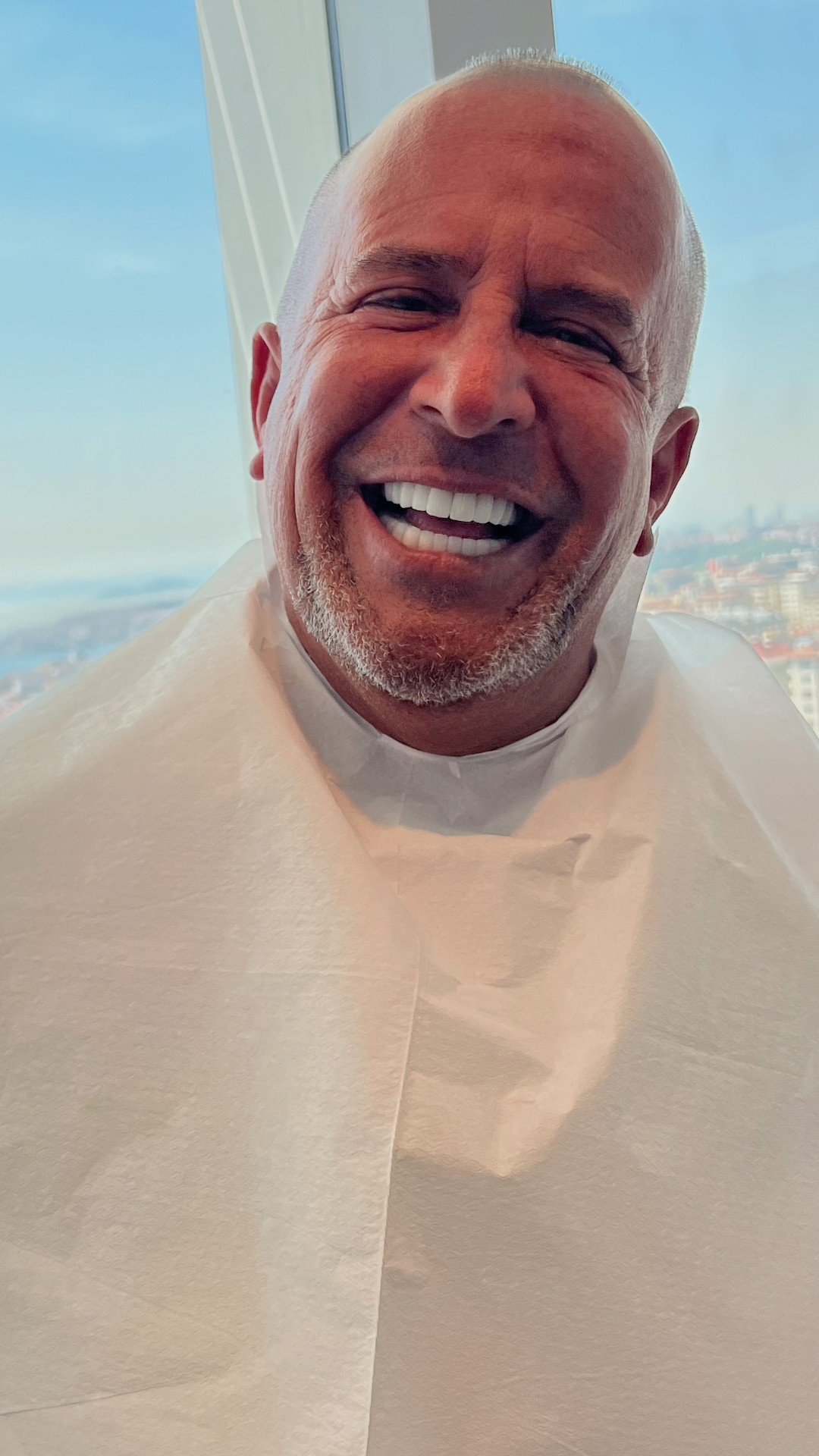 Ronnie's
 -
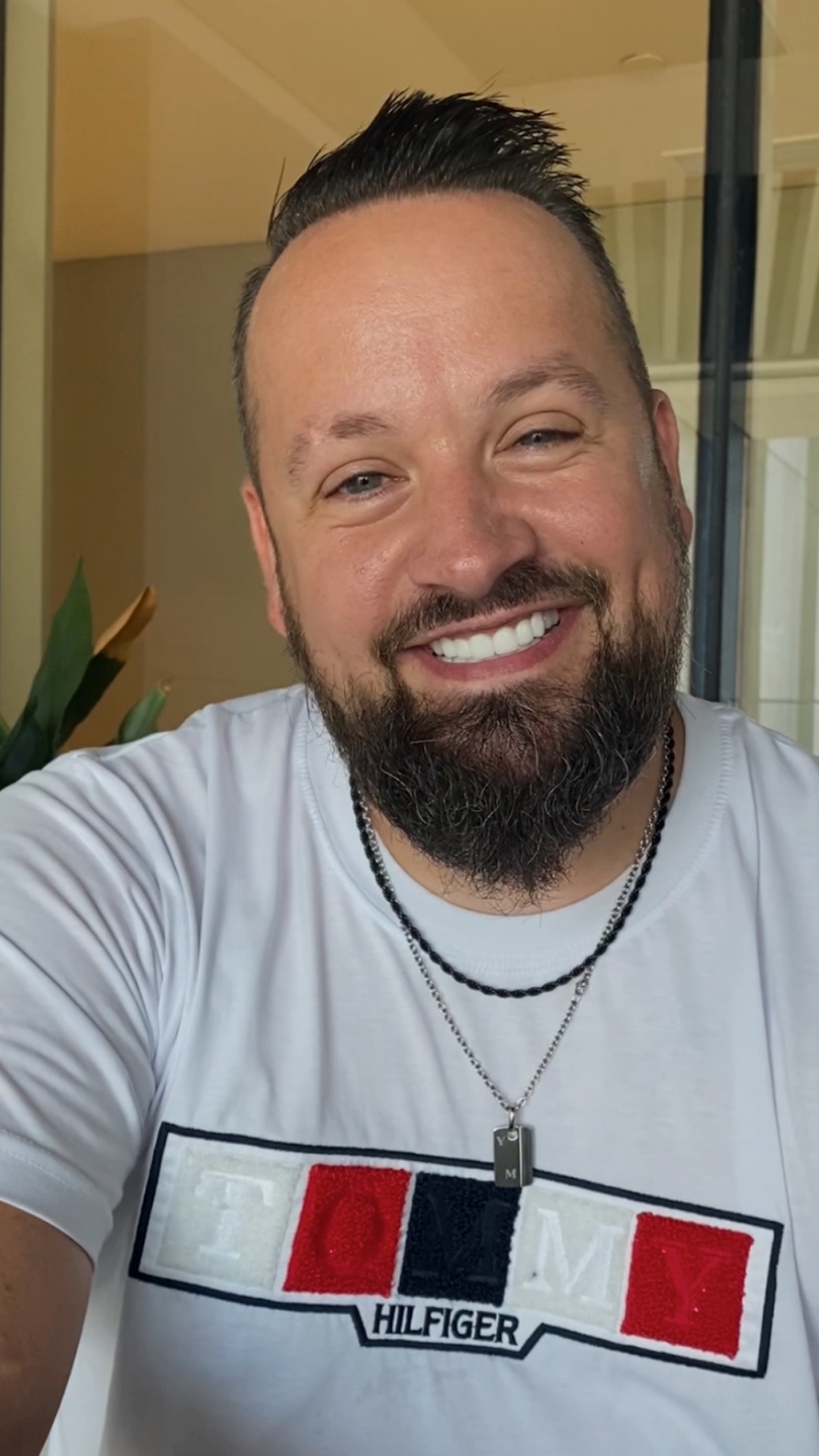 Andrew's
 -
 Louisa's
 -
 Véronique's
 -
 Léa's
Léa's -
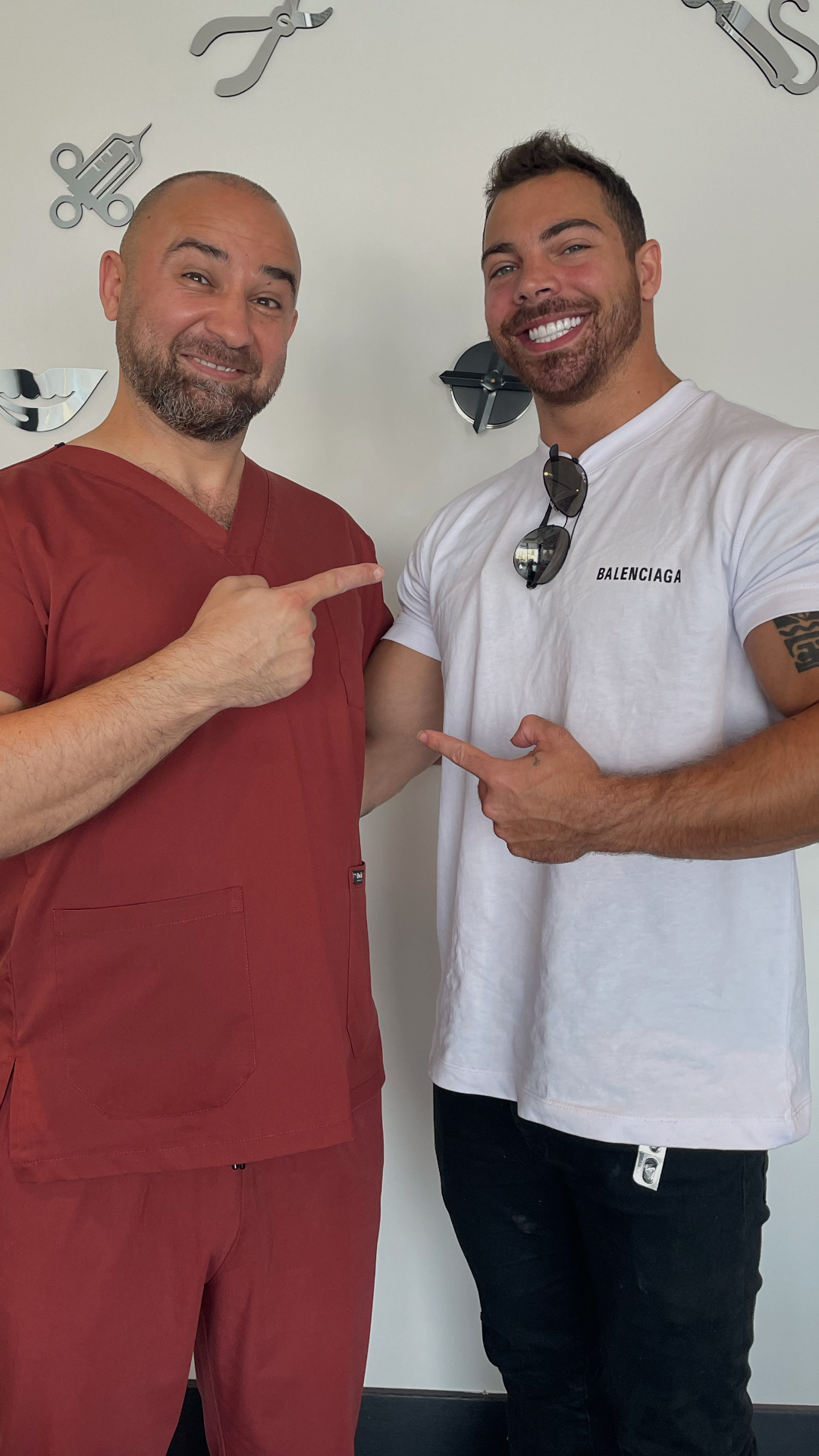 Alexandre's
 -
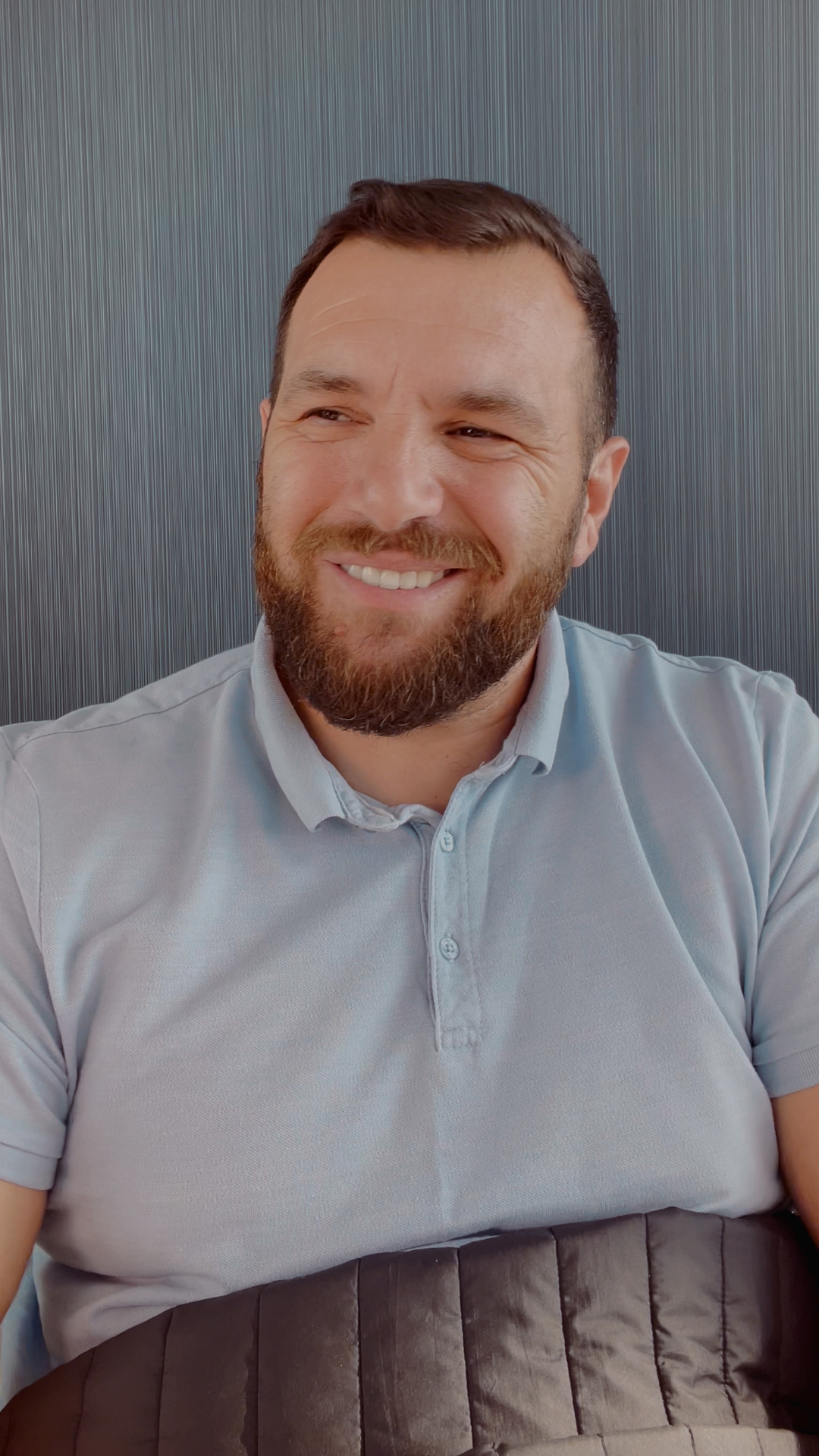 Charlie's
 -
 Stella's
 -
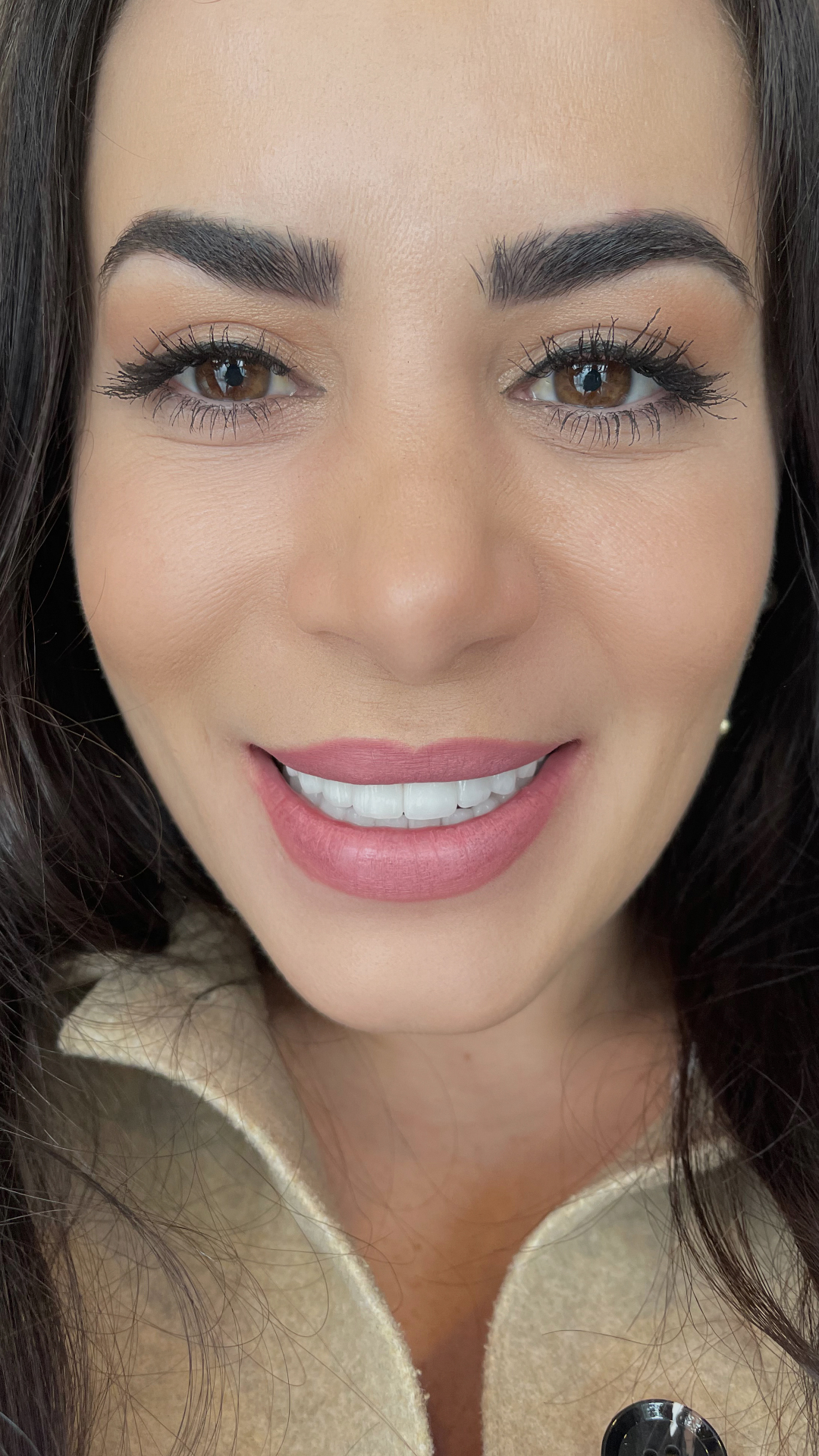 Tiphanie's
 -
 Miriam's
 -
 Sébastien's
 -
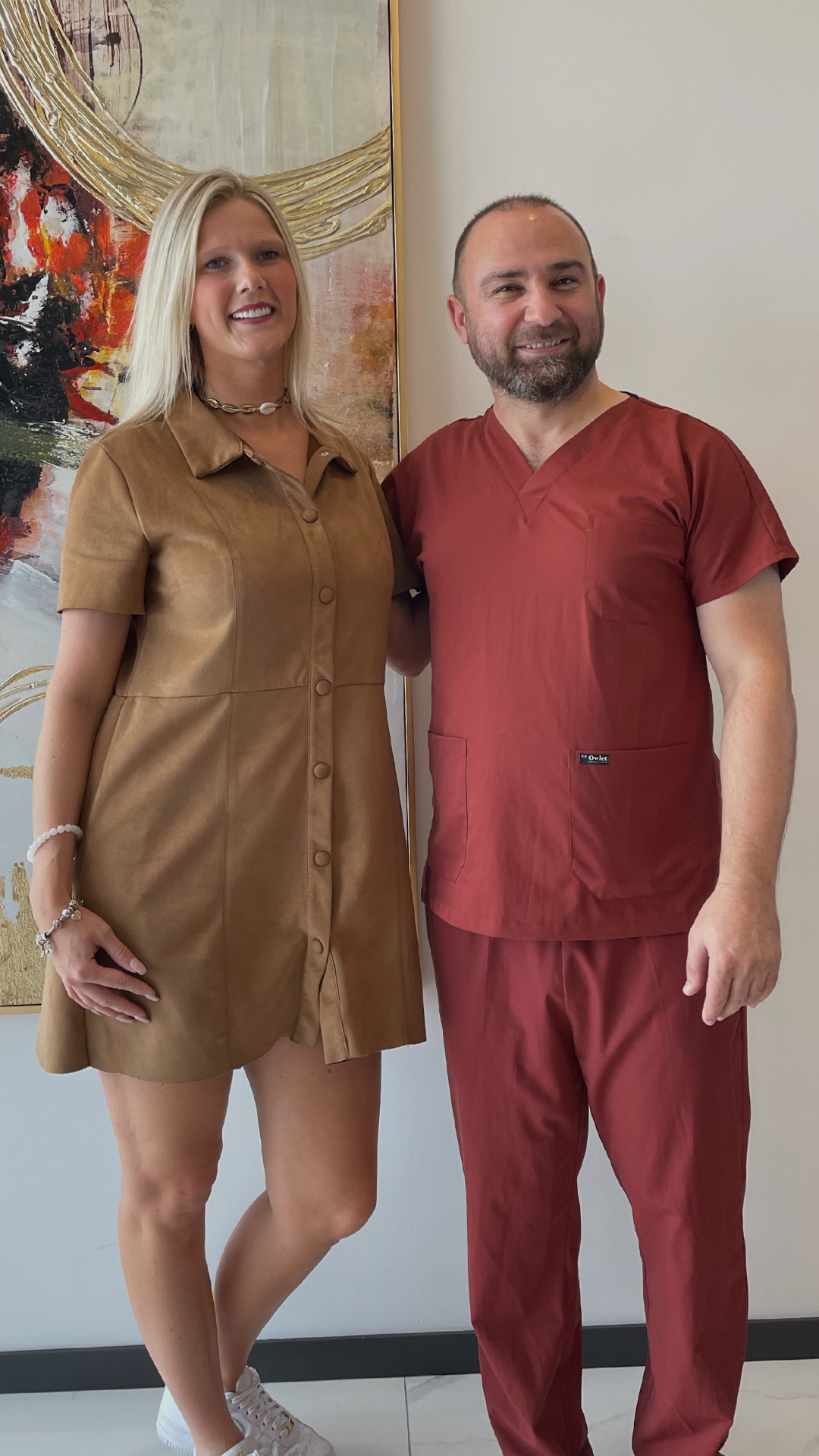 Marie's
 -
 Nadia's
 -
 Samah's
 -
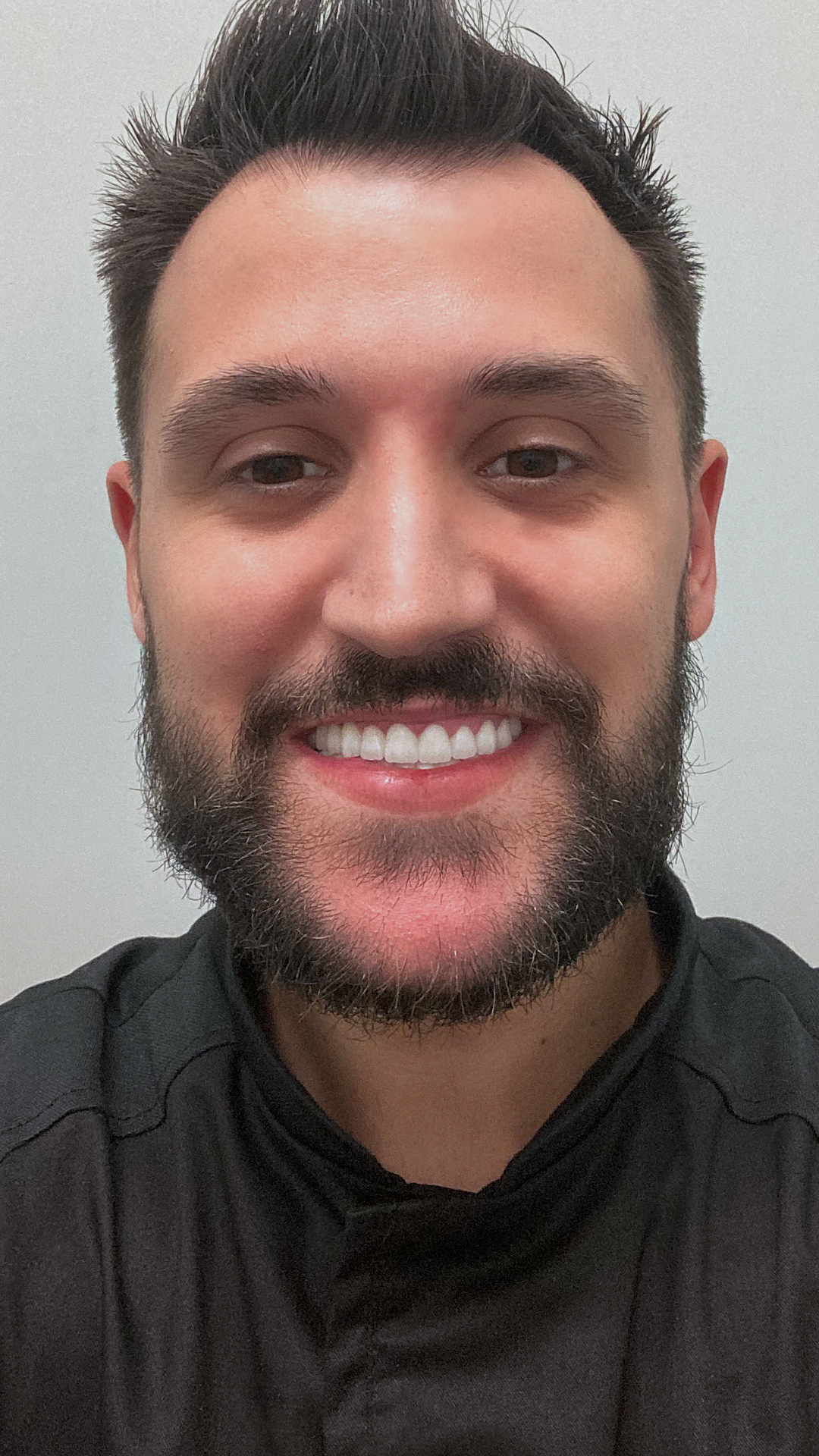 Laurent's
 -
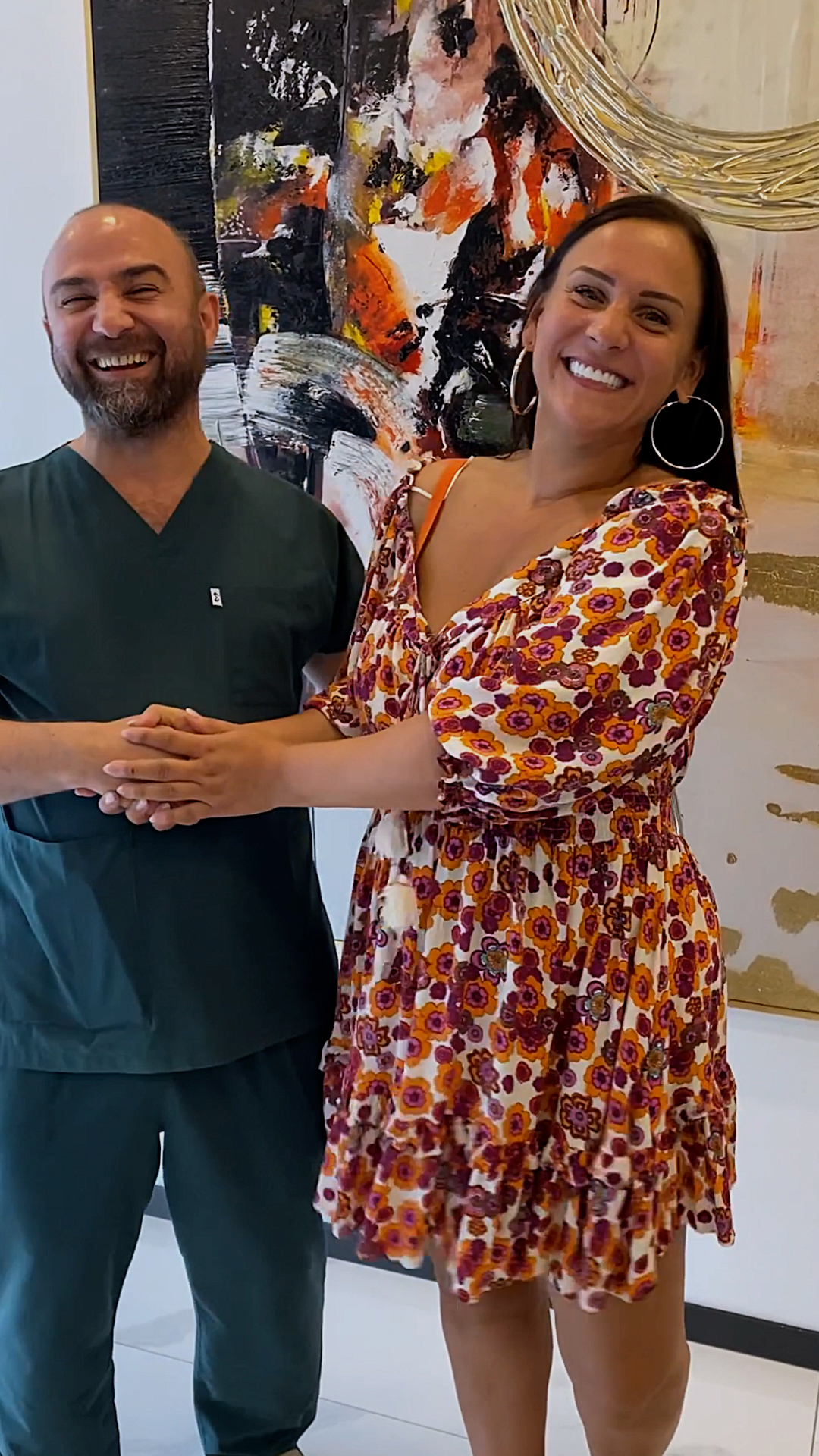 Laeticia's
 -
 Naouiri's
 -
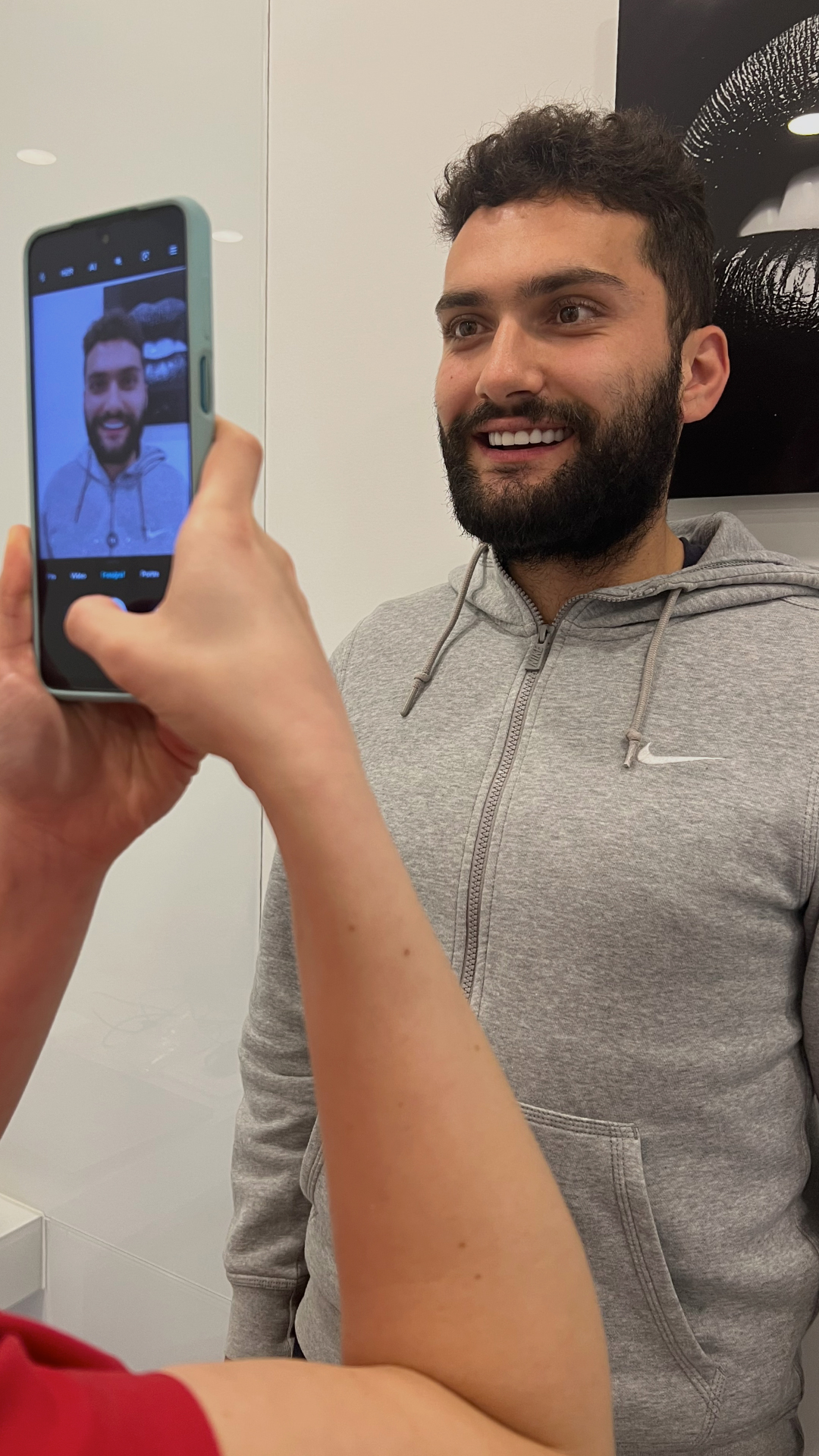 Antoine's


Let’s discuss your project