Dental implant
All-on-4
All-on-6
All-on-8
Full arch
Tooth loss
Full-arch dental implants
Replacing a whole jaw no longer means placing an artificial root under every missing tooth. With the All-on-4, All-on-6 and All-on-8 protocols, just 4 to 8 implants are enough to support a complete fixed arch. You get back a stable smile, proper chewing and, in most cases, a temporary bridge fitted the same day as your surgery.
Full-arch dental implants at a glance
Procedure duration
2 to 4 hours
Average lifespan
up to 98% at 5 years
Eat normally after
3-5 days

Medical validation
Understanding full-arch rehabilitation
Why replace a whole arch with implants?
When a jaw is completely edentulous, meaning it has lost all its teeth, or the remaining teeth are too fragile to save, two approaches compete. The first places an implant under each tooth, up to fourteen artificial roots per jaw: slow, expensive and heavy on bone volume. The second, now the usual full-arch approach, starts from a simple and remarkably effective idea: a few well-positioned implants are enough to carry a full dental arch.

Total tooth loss is far from rare. Worldwide, losing all your teeth affects around 22% of people aged 45 and over (Borg-Bartolo et al., 2022). Behind those figures sit very real consequences: difficulty chewing, awkward speech, gradual shrinkage of the jawbone and a psychological toll that too often goes underestimated.
The key role of tilted implants
The real innovation behind full-arch protocols is the use of posterior implants tilted up to 45°. By angling the implants from the back of the mouth, the surgeon anchors into the densest bone and works around sensitive areas like the maxillary sinus or the alveolar nerve. The result: in many cases, no bone graft is needed. Treatment becomes much shorter, and comes within reach for patients once judged inoperable.

Which prosthesis on your implants?
Several types of prosthesis can fix onto the implants of a full arch, depending on your needs and your budget.
The fixed screw-retained full bridge is the standard choice for All-on-4/6/8 protocols. Screwed straight onto the implants, it never comes out day to day: you clean it like natural teeth, and it feels very close to your original set. Made from zirconia or high-performance resin, it gives back an attractive smile and fully effective chewing.

The implant-supported removable denture, cheaper, clips onto 2 to 4 implants. Stable while you eat, it comes out for cleaning. It is a sensible option when the budget is tighter or when your anatomy rules out a fully fixed solution.

Sources and references
- Borg-Bartolo, R., Roccuzzo, A., Molinero-Mourelle, P., Schimmel, M., Gambetta-Tessini, K., Chaurasia, A., Koca-Ünsal, R. B., Tennert, C., Giacaman, R., & Campus, G. (2022). Global prevalence of edentulism and dental caries in middle-aged and elderly persons: A systematic review and meta-analysis. Journal of Dentistry, 127, 104335.
The steps of a full-arch fitting
Assessment and digital planning
A CBCT (cone beam) scanner captures the bony architecture of your jaw in three dimensions. From these images, the surgeon plans the position of each implant virtually, to within a millimetre. This step produces a personalised treatment plan and, often, a custom-made surgical guide.
Preparing the site
If some teeth need removing, they are extracted on the day of surgery. Thanks to tilted implants, a bone graft is avoided in most situations, though it stays possible when the available volume calls for it.
The surgery
The implants are placed under local anaesthetic, usually with conscious sedation to keep you comfortable. Guided by the digital plan, the procedure takes 2 to 4 hours on average for a full arch.
The immediate temporary bridge
When implant stability allows, a fixed temporary bridge is fitted the same day, which avoids the waiting period once associated with implants.
Osseointegration
Over 3 to 6 months, the titanium implants fuse with the bone: this is osseointegration, the fundamental biological stage that decides how solid the whole thing will be over time.
The final prosthesis
Once bone healing is confirmed, your final prosthesis is designed by CAD/CAM (computer-aided design and manufacturing), usually in multi-layer zirconia for a natural look and excellent strength.
How much does a full arch cost in Turkey?
In the UK, dental implants are rarely available on the NHS, so almost everyone pays privately. For a whole arch, the bill climbs fast and the amount you have to fund yourself becomes hard to justify.

That is exactly what pushes so many patients towards dental tourism in Turkey. Having your full arch done in Istanbul saves you up to 70% compared with UK prices, without giving anything up on quality. Body Expert works only with premium implants such as Straumann and Neodent, in partner clinics with modern operating theatres and up-to-date imaging.
The full breakdown, protocol by protocol (All-on-4, All-on-6, All-on-8), is set out in the price table on this page. Every quote stays personalised: it depends on the number of implants, the type of prosthesis and the state of your bone.

What the Body Expert package includes
Beyond the price, every package covers:
- Premium implants (Straumann, Neodent) with a materials warranty
- A temporary bridge fitted on the day of surgery
- A CBCT scan and pre-operative digital planning
- A dedicated English-speaking coordinator throughout your stay
- Airport transfers and accommodation in a partner hotel
- Post-operative follow-up from a distance once you are back in the UK

To explore the full range of implant options, see our page on dental implants in Turkey. If you are unsure how many implants your case needs, our complete
Sources and references
- Maló, P., de Araújo Nobre, M., Lopes, A., Francischone, C., & Rigolizzo, M. (2012). “All-on-4” immediate-function concept for completely edentulous maxillae: a clinical report on the medium (3 years) and long-term (5 years) outcomes. Clinical Implant Dentistry and Related Research, 14(s1), e139-e150.
- Kwon, T., Bain, P. A., & Levin, L. (2014). Systematic review of short- (5-10 years) and long-term (10 years or more) survival and success of full-arch fixed dental hybrid prostheses and supporting implants. Journal of Dentistry, 42(10), 1228-1241.

Get your free quote within 24 hours
Our advisers look at your case and point you towards the protocol that best fits your situation.
Our prices and packages
Dental Implants
Offre et tarif : Dental Implants
Feel free to scroll through the different prices from right to left!
All-on-4, All-on-6, All-on-8: which is right for you?
-
 All-on-4: the accessible standard
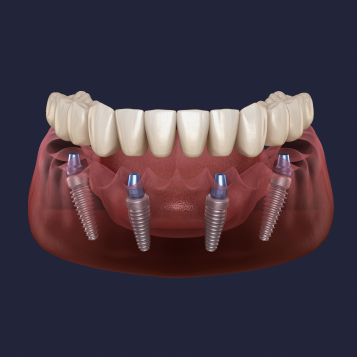
The All-on-4 concept rests on four implants per jaw: two placed vertically at the front and two tilted at the back. Backed by long-term clinical studies, it allows immediate loading and avoids a bone graft in most cases. Maló and his team reported an implant survival rate of 98% at 5 years in the edentulous upper jaw. It is the ideal choice for getting back a fixed arch at a controlled cost.
-
 All-on-6: the balance of performance and longevity
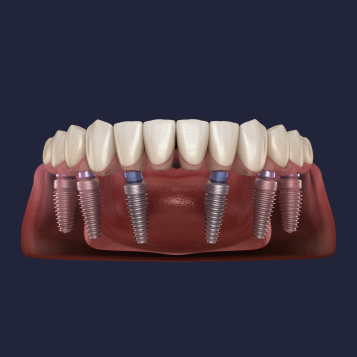
With six implants, the All-on-6 protocol spreads chewing forces more widely across the arch. This better distribution improves stability and eases the mechanical load on each implant. It is often the preferred compromise for patients who want lasting comfort alongside a sensible investment.
-
 All-on-8: maximum stability
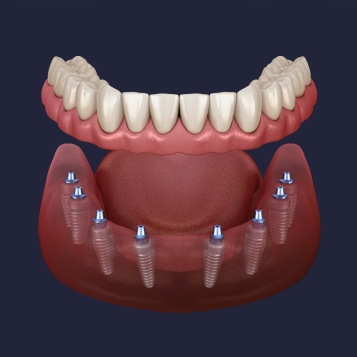
The All-on-8 protocol uses eight implants to offer the highest stability. By adding more anchor points, it lowers mechanical stress per implant. This approach suits patients with enough bone volume who are after the best possible full-arch rehabilitation.


Recovery: the weeks after your surgery
Weeks 1-2: settling in and early healing
A soft diet is best now and typically for the next 6 to 12 weeks, so the implants are not overloaded. Some swelling and mild discomfort are normal. Your English-speaking Body Expert coordinator stays on hand to answer your questions from back home.
Months 1-3: osseointegration in progress
The titanium implants continue to fuse with your jawbone. A mostly soft diet still matters so they are not overloaded. Careful oral hygiene really matters at this stage.
Months 3-6: full bone consolidation
Osseointegration finishes. Implant stability is checked before the design of the final prosthesis is confirmed. During this period, the temporary bridge keeps you comfortable for day-to-day eating, still with a careful bite until the final teeth go in.
Fitting the final prosthesis
Once healing is confirmed, you come back to Turkey to have your final multi-layer zirconia prosthesis fitted. Custom-made by CAD/CAM, it blends in perfectly with your smile and your bite.
Long-term maintenance
Regular check-ups (professional scaling, bite checks, a look at the gum tissue) keep your rehabilitation lasting. With the right hygiene, a full arch on implants can last for many years.
Risks, contraindications and what makes it work
Full-arch implant rehabilitation is reliable surgery, but it is still a medical procedure with limits worth knowing. The risks are low, yet they deserve to be talked through openly.

The risks to know about
Possible surgical complications include bleeding, nerve damage or sinus perforation. In the days and weeks after surgery, the main things watched for are failure of osseointegration and infection. A systematic review of full-arch implant-supported prostheses reported survival rates of 93.3% to 100% for the prostheses and 87.9% to 100% for the supporting implants over 5 to 10 years (Kwon et al., 2014).
The aggravating factors
Several things raise the risk of failure: smoking, poor oral hygiene and untreated gum disease. Giving up smoking before surgery and keeping up careful hygiene are part of what makes treatment succeed. Long-term maintenance, with regular check-ups, stays decisive.
The main contraindications
Full-arch rehabilitation may be ruled out, or need some groundwork first, in the following cases:
- Poorly controlled diabetes: raises the risk of infection and slows healing
- – Osteoporosis: not a barrier on its own, though bone quality at the implant site still needs checking
- – Bisphonate treatment: risk of osteonecrosis of the jaw, higher with intravenous drugs used in cancer care
- Previous head and neck radiotherapy: altered blood supply to the bone
- Very insufficient bone volume: a graft may be needed first
In all these cases, a thorough consultation with the surgeon weighs up the right options and, where possible, improves the conditions for surgery.

In summary
Getting back a full set of teeth on implants is no longer the endless journey it once was. With the All-on-4, All-on-6 and All-on-8 protocols, a few well-placed implants are enough to carry a whole fixed arch, often without a bone graft and with a temporary bridge fitted the same day. In most cases you leave with a temporary fixed bridge, your chewing restored and a smile you no longer need to hide.
The choice between All-on-4, All-on-6 and All-on-8 depends on your bone volume, your expectations and your budget. All-on-4 is the most accessible; All-on-6 spreads chewing forces better; All-on-8 aims for maximum stability. In every case, a CBCT scan and the surgeon’s opinion let you decide calmly, with nothing forced on you.
Having your full-arch rehabilitation in Istanbul also means saving up to 70% compared with the UK, with premium implants (Straumann, Neodent) and English-speaking support from your first message right through to follow-up after you get home. Choosing a clinic for treatment on this scale is a big decision, and our advisers are here to talk it through, no pressure.
Want a clear picture of your own situation? Send us your panoramic X-ray or your scan, and you will get a free, personalised quote within 24 hours, with the protocol best suited to your jaw.
Sources and references
Before & After
Discover our patients’ results
Dental Implants

Avant-après

Avant-après

Avant-après

Avant-après

Avant-après

Avant-après

Avant-après

Avant-après

Avant-après
Avant-après

Avant-après
Avant-après

Avant-après
Avant-après

Avant-après
Avant-après

Avant-après
Avant-après

Avant-après
Avant-après

Avant-après
Avant-après

Avant-après
Avant-après

Avant-après
Avant-après

Avant-après

Avant-après
Avant-après
Avant-après
Avant-après
Avant-après
Avant-après
Avant-après
Avant-après
Avant-après
Avant-après
Avant-après
Avant-après
Avant-après
Avant-après
Avant-après
Avant-après
Avant-après
Avant-après
Avant-après
Avant-après
Avant-après
Avant-après
Avant-après
Avant-après
Avant-après
Avant-après
Avant-après
Avant-après
Avant-après
Avant-après
Avant-après
Avant-après
Avant-après
Avant-après
Avant-après
Avant-après
Avant-après
Avant-après
Avant-après
Avant-après
Avant-après
Avant-après
Avant-après
Avant-après
Avant-après
Avant-après
Avant-après
Avant-après
Avant-après
Avant-après
Avant-après
Avant-après
Avant-après
Avant-après
Avant-après
Avant-après
Avant-après
Avant-après
Avant-après
Avant-après
Avant-après
Your full-arch rehabilitation, tailored to you
All-on-4, All-on-6 or All-on-8? Our experts study your scan and suggest the option that best fits your anatomy and your budget.
Our patients talk about us
-
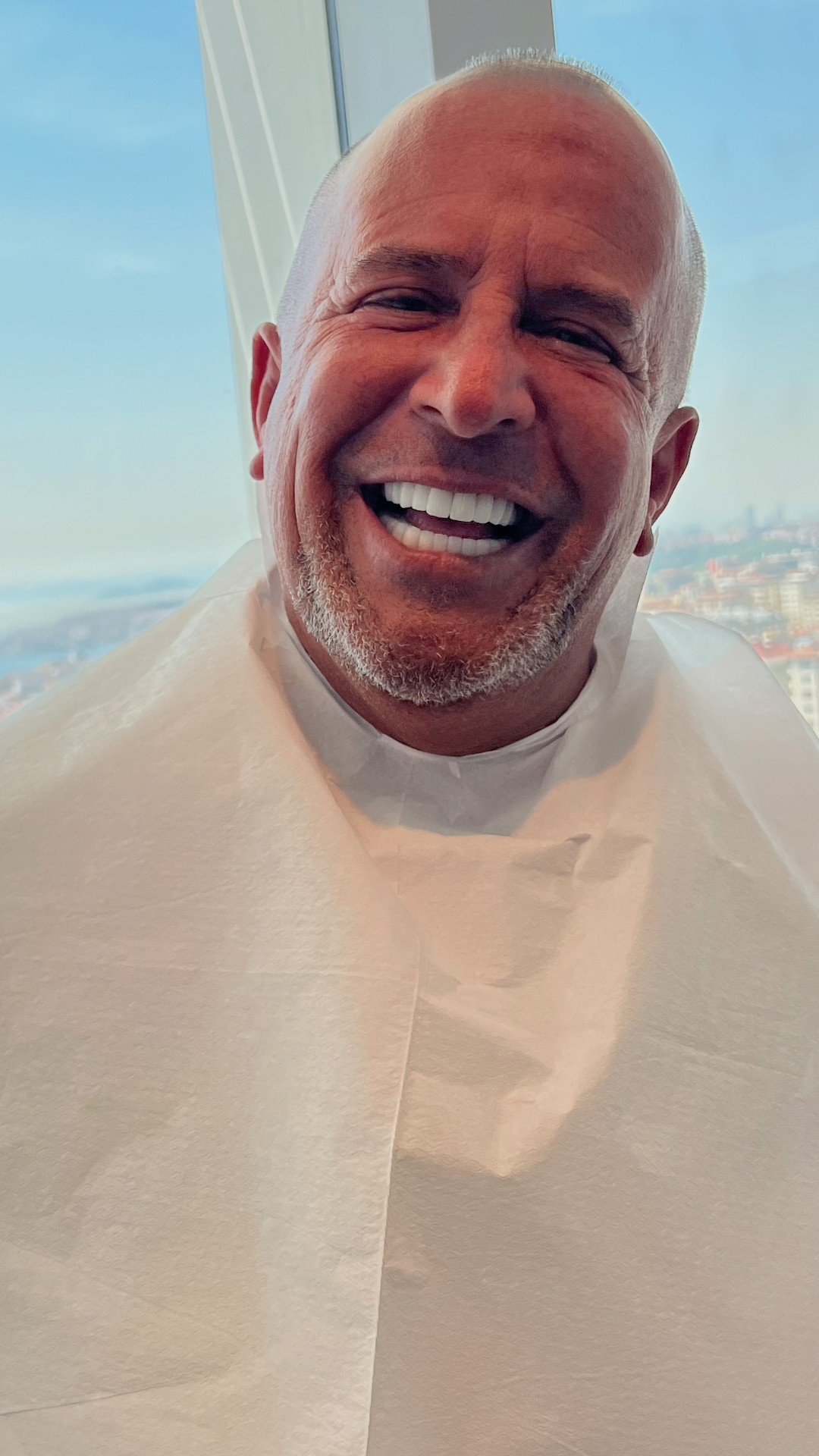 Ronnie's
 -
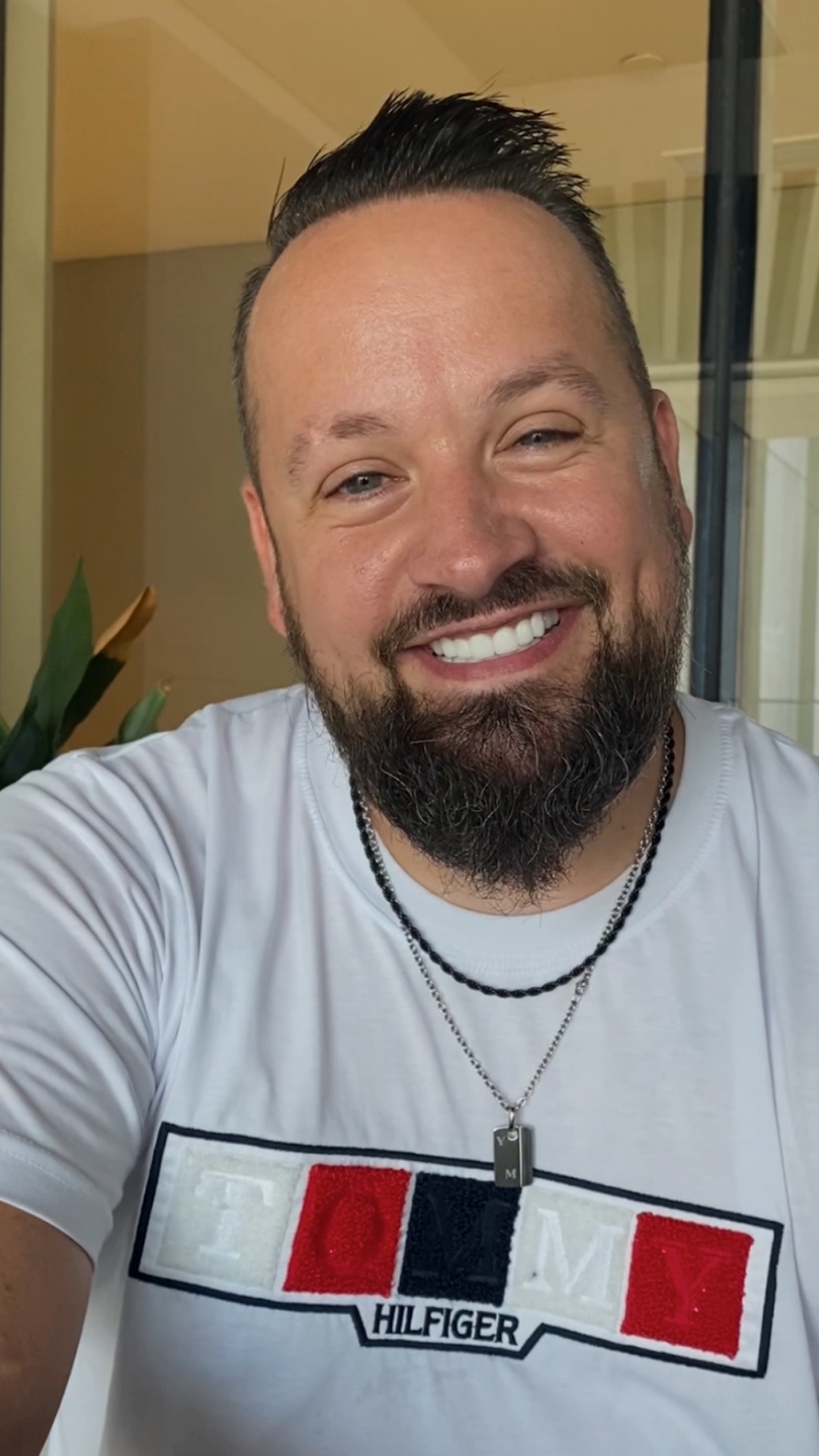 Andrew's
 -
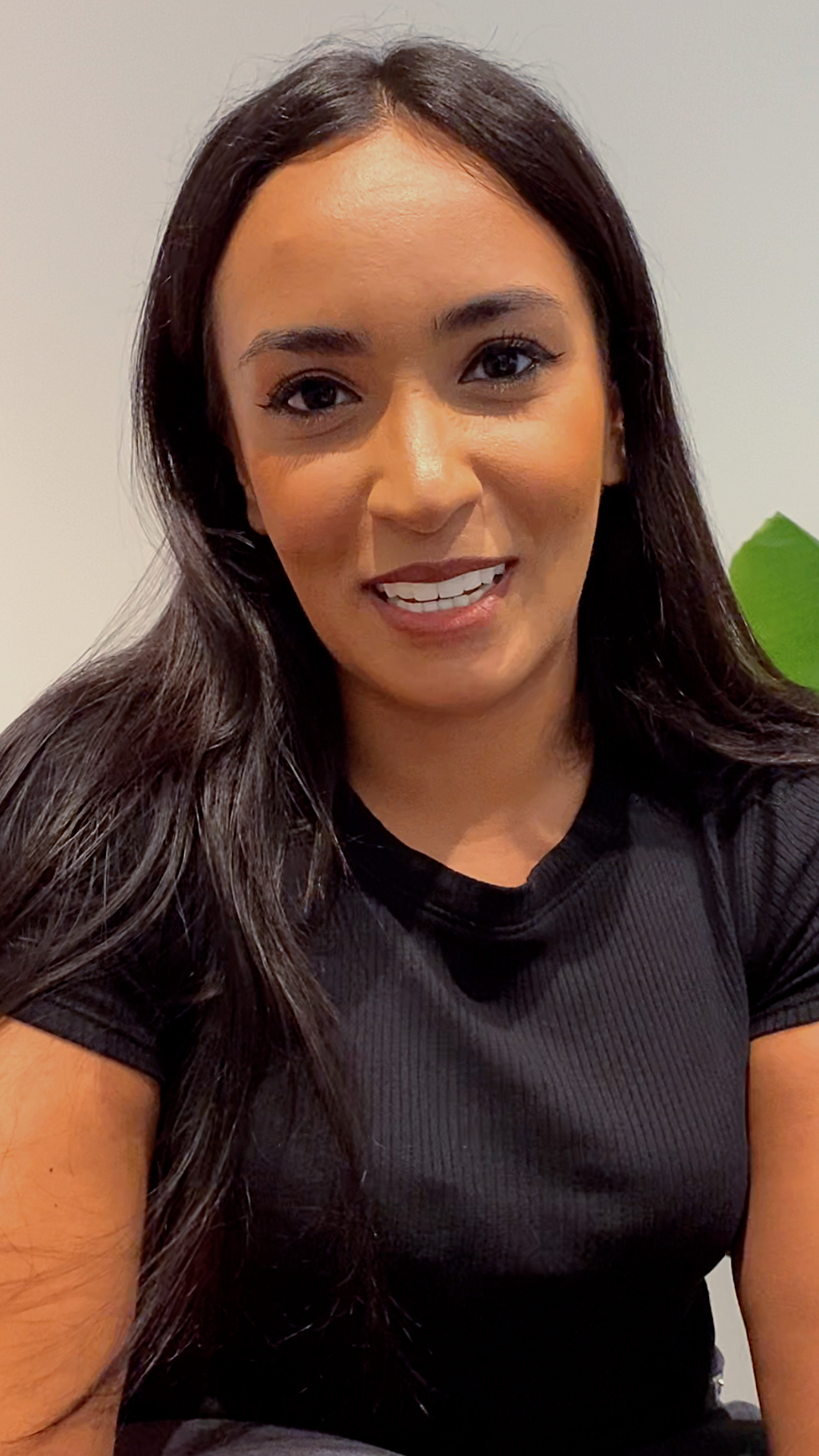 Louisa's
 -
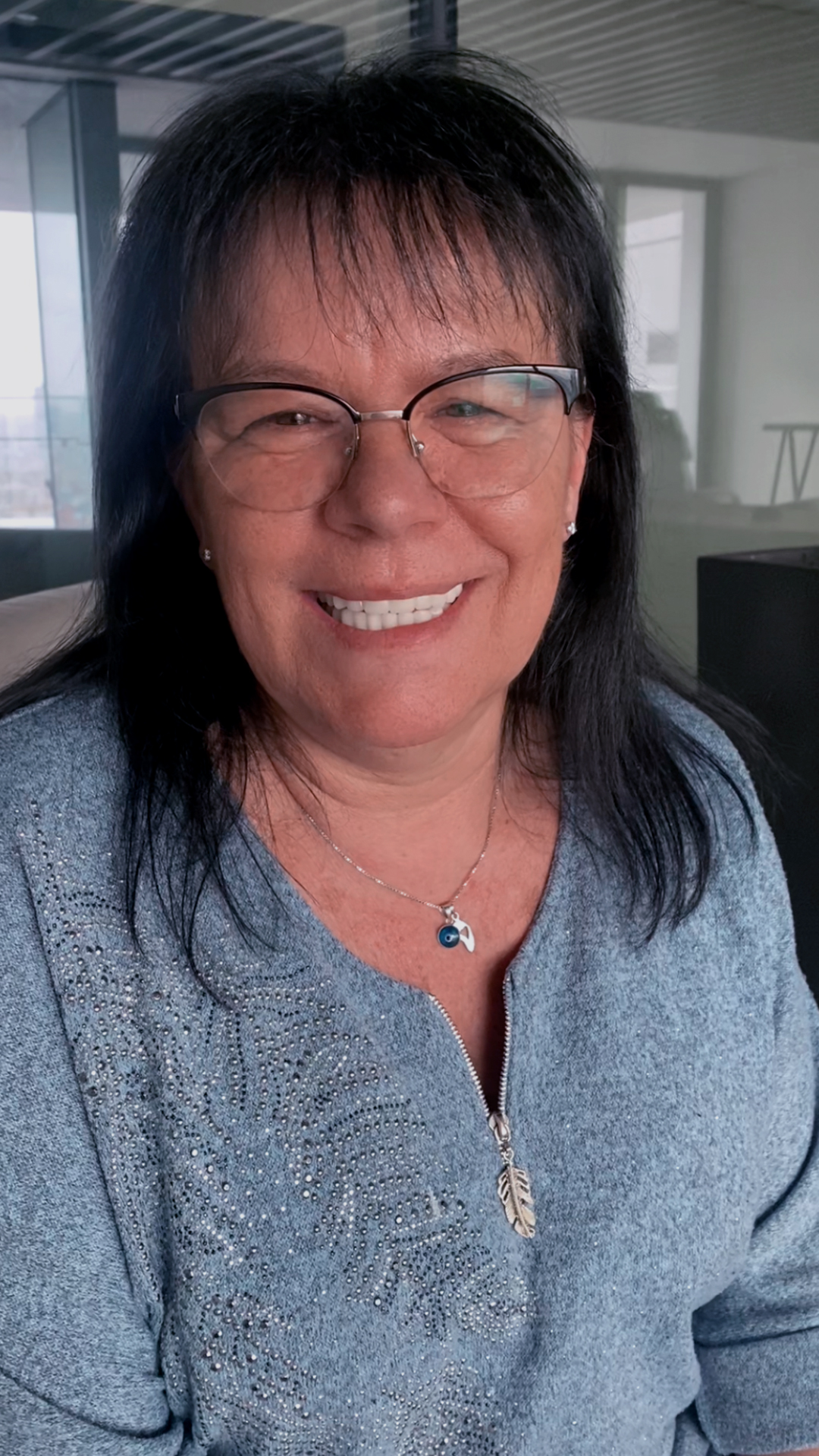 Véronique's
 -
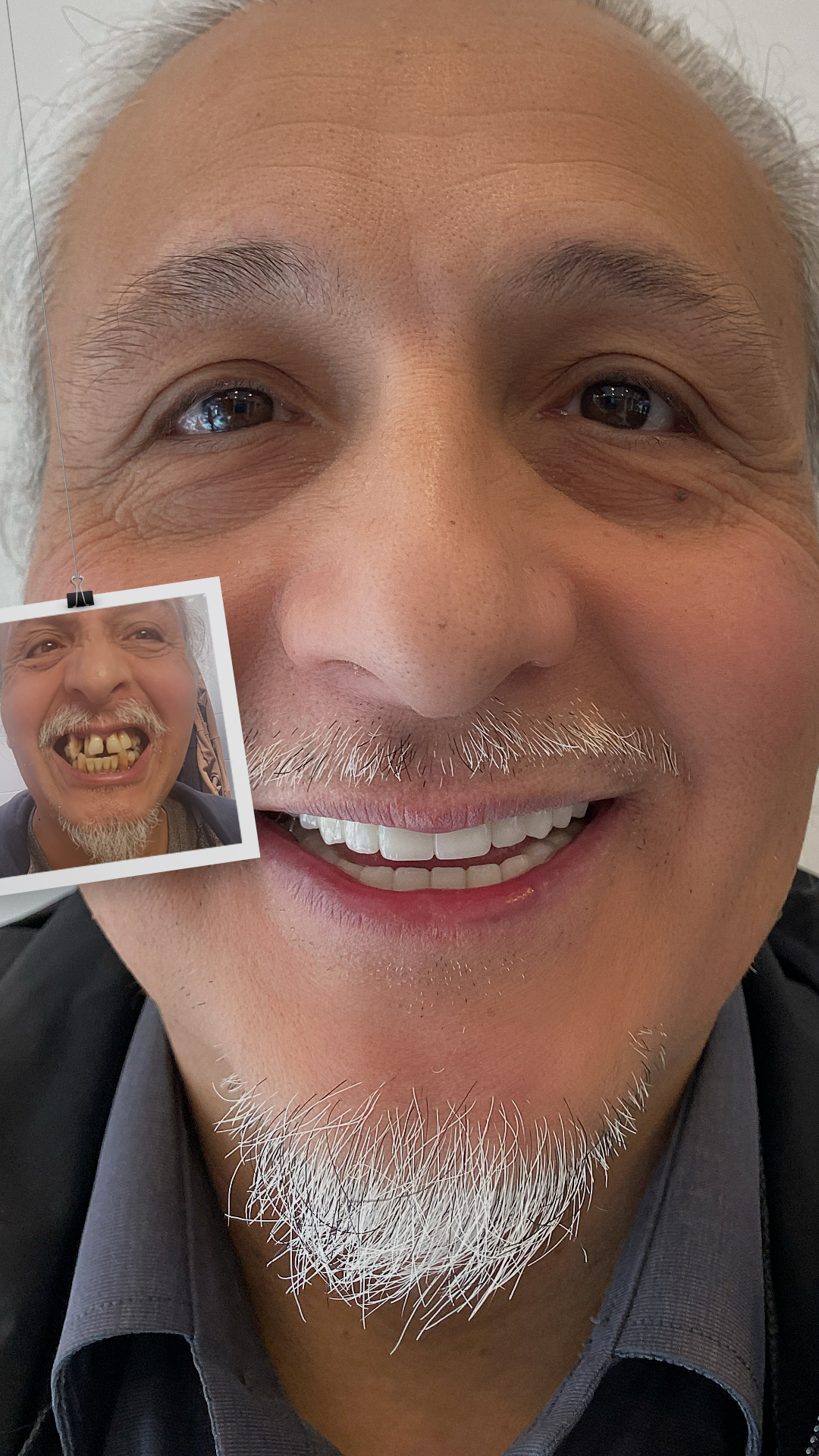 Augustin's
 -
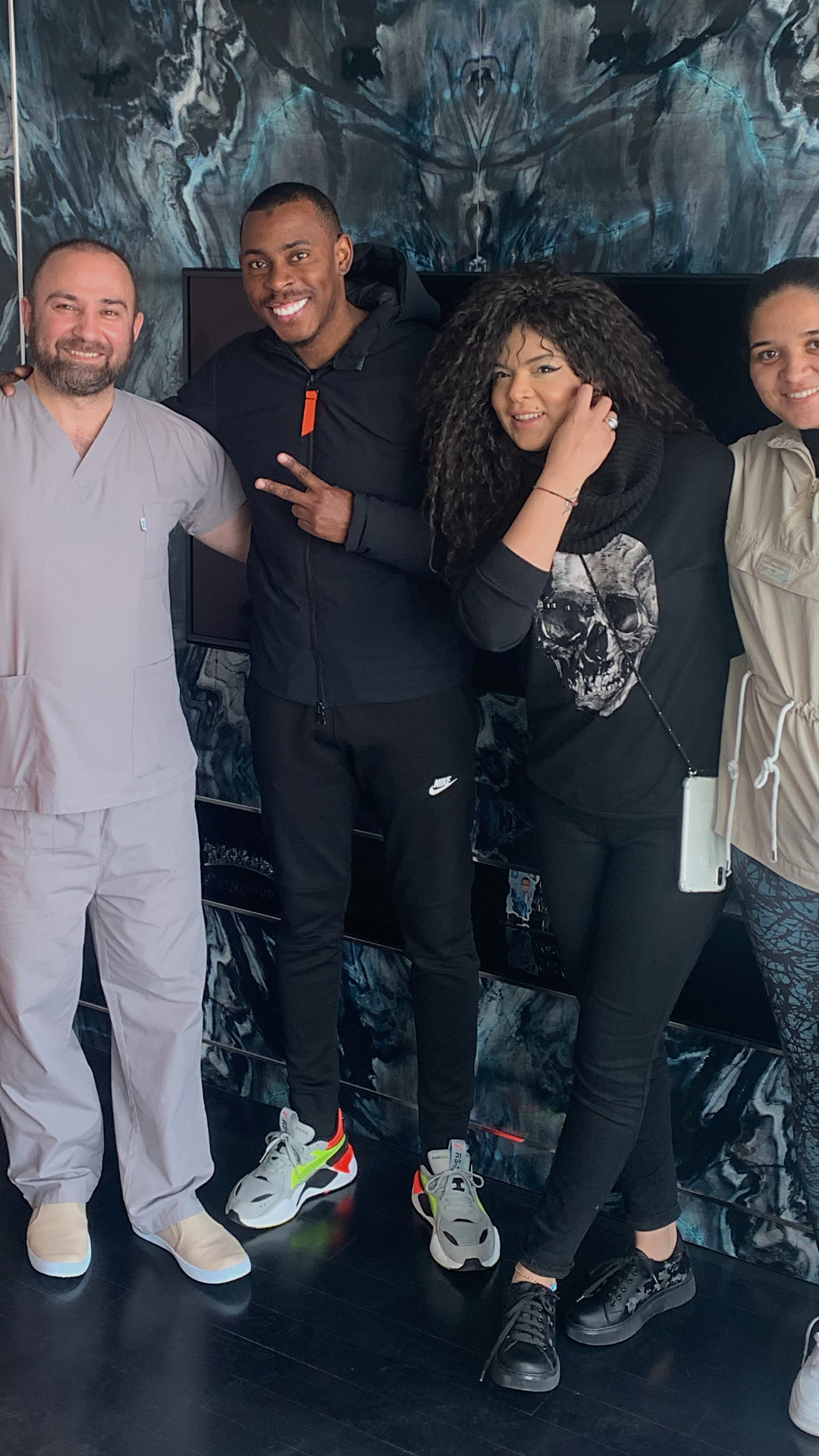 Naouiri's
 -
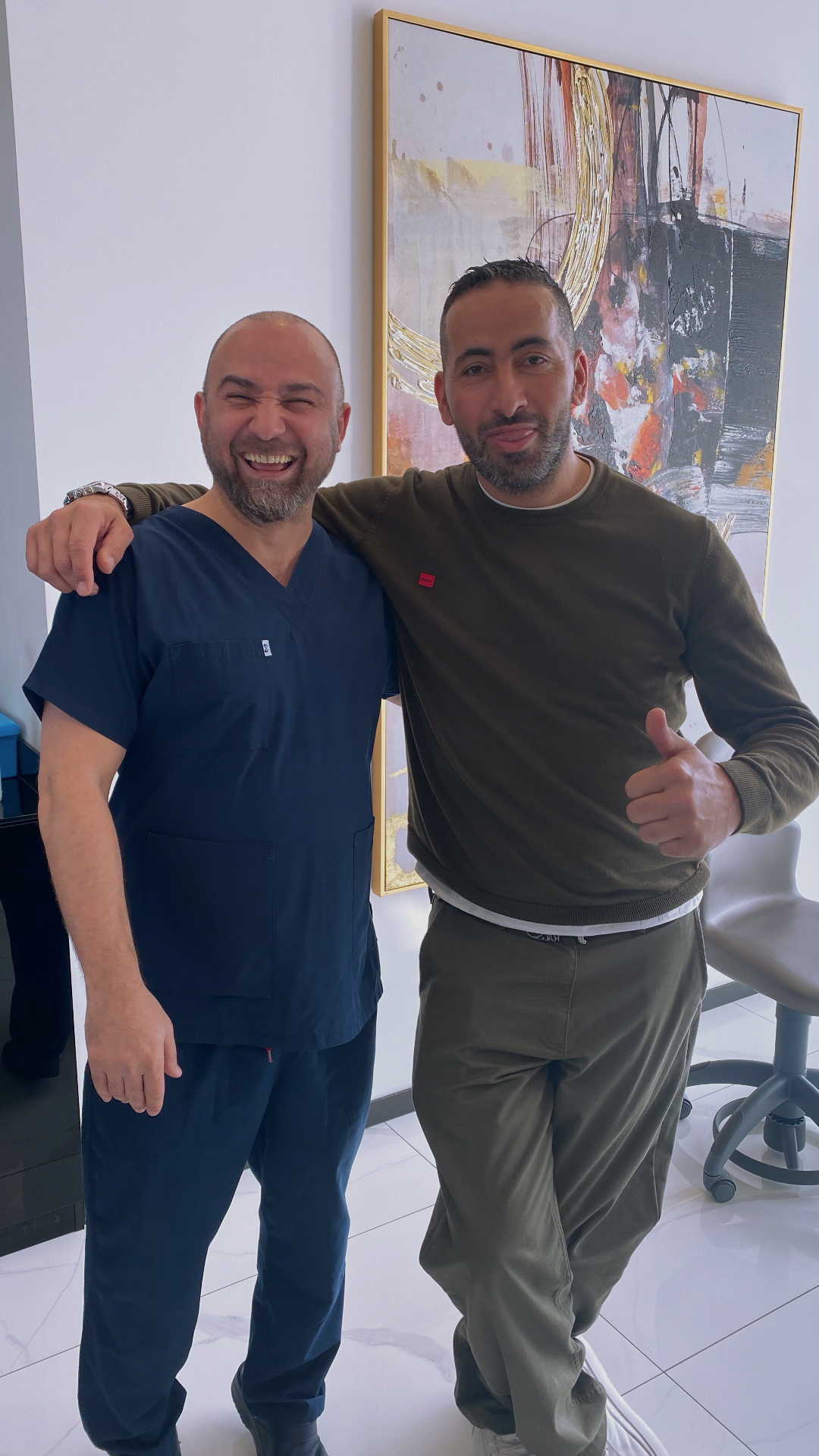 Faouzi's
 -
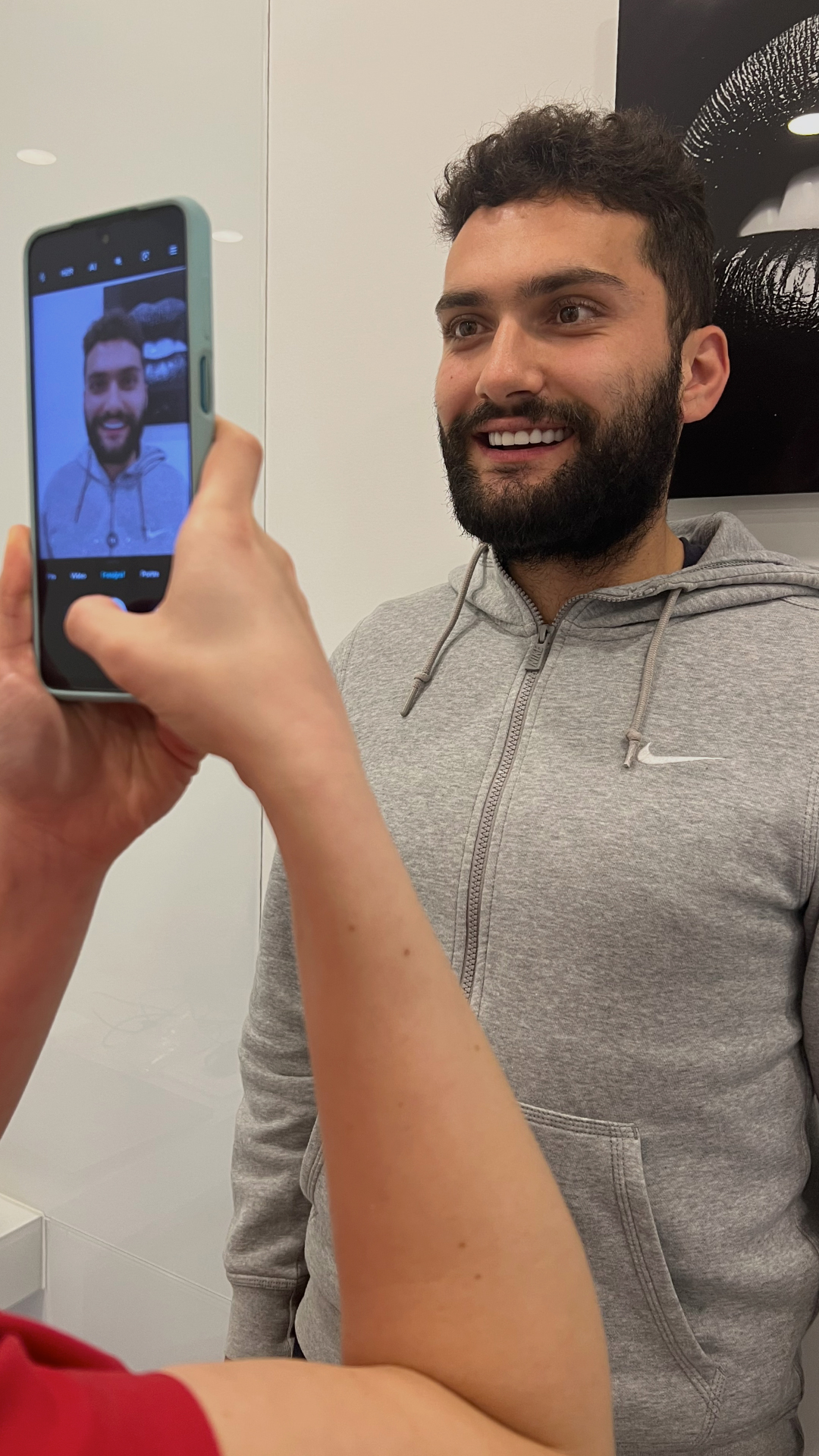 Antoine's
 -
 Abdel's
 -
 Stella's
 -
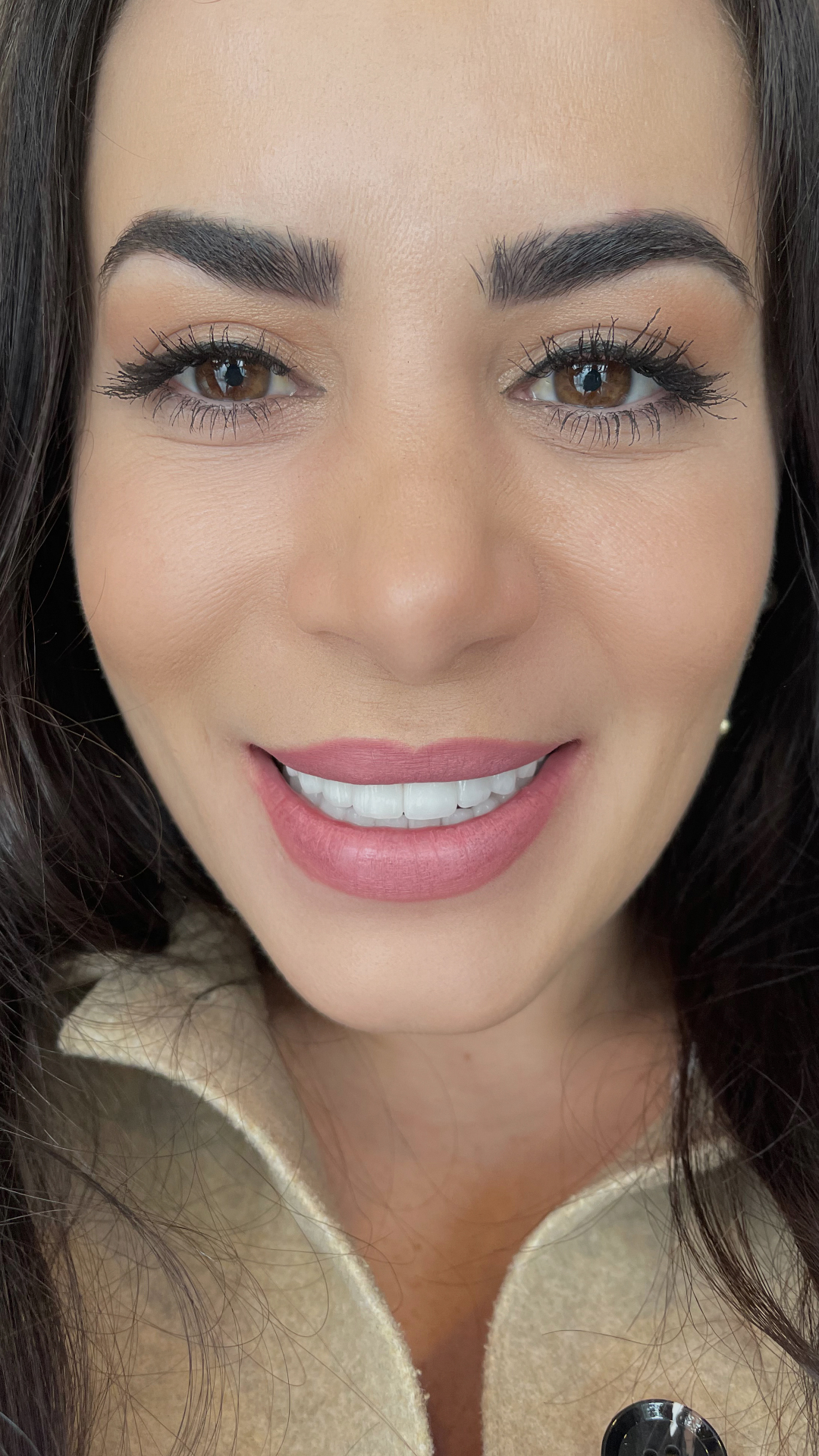 Tiphanie's
 -
 Miriam's
 -
 Sébastien's
 -
 Marie's
 -
 Nadia's
 -
 Samah's
 -
 Laurent's
 -
 Laeticia's


Frequently asked questions about full-arch dental implants
How long does the whole treatment take?
From the first consultation to fitting the final prosthesis, allow 3 to 6 months, the time needed for osseointegration. The surgical part is done in a single trip of a few days in Turkey. In most cases, you leave that first trip with a working fixed temporary bridge.
Will I have fixed teeth the same day as surgery?
In most situations, yes. When the implants have enough primary stability, a screw-retained temporary bridge is fitted on the day of surgery. If primary stability is not high enough, a removable temporary denture can be used until the implants can be loaded. The final zirconia prosthesis goes in after the bone has healed, 3 to 6 months later.
Is a bone graft always necessary?
A graft is not always required. The main advantage of the All-on-4 and All-on-6 protocols lies in using tilted implants that make the most of the bone you have and often avoid a graft. If your bone volume is very reduced, extra solutions such as a sinus lift or a bone graft can be considered case by case, after looking at your CBCT scan.
All-on-4 or All-on-6: which should you choose?
All-on-4 is enough in most cases and stays the most affordable option. All-on-6 is recommended when you want an even better spread of forces and added stability, particularly in the upper jaw. Your surgeon decides after looking at your CBCT scan and your bone volume.
Do full-arch implants last?
Clinical follow-up is encouraging. Maló et al. (2012) reported an implant survival rate of 98% at 5 years in the edentulous upper jaw. Kwon et al. (2014) found implant survival of 87.9% to 100% and prosthesis survival of 93.3% to 100% over 5 to 10 years. With careful hygiene and regular check-ups every 6 to 12 months, a full-arch rehabilitation can last for many years.
Why choose Turkey over the UK for this treatment?
Turkey combines experienced surgeons, modern clinics and prices up to 70% lower than in the UK. In the UK, dental implants are rarely covered by the NHS, which makes the out-of-pocket cost prohibitive for a full arch. With Body Expert, you get premium implants (Straumann, Neodent), a dedicated English-speaking coordinator and follow-up once you are back home.
Which implant brands does Body Expert use?
Body Expert works only with premium implants recognised worldwide: Straumann (Switzerland) and Neodent (Brazil). Both brands are among the global benchmarks in implantology, with decades of clinical data and manufacturer warranties.
How does follow-up work once I am back home?
Your English-speaking Body Expert coordinator stays available after you return to answer your questions and coordinate with the medical team in Turkey. Video consultations can be arranged if needed. Your usual dentist in the UK can also handle routine check-ups, professional cleaning and bite checks.
Let’s discuss your project