

Beard transplant in Istanbul
Surgeons who specialise in facial hair restoration
Precise Sapphire FUE technique
A fully organised stay, with VIP transfers
English-speaking support from start to finish

They're talking about us


Our prices and packages
Beard Transplant
Offre et tarif : Beard Transplant
Feel free to scroll through the different prices from right to left!
Your beard transplant in Istanbul, step by step
Online consultation and personalised assessment
It all starts with a chat with our medical team. Over video call, your surgeon looks at your facial hair, gauges the density of your donor area and maps out the beard shape you want. You come away with a detailed quote and a clear timeline to plan your stay in Istanbul.
Arrival in Istanbul and pre-op check-up
A VIP driver meets you at the airport and takes you to your hotel. The full medical work-up happens at our partner clinic the next day: blood tests, a look at your facial skin, pre-op photos. It’s also when you fine-tune the last details with your surgeon, in person.
The procedure at our partner clinic
The beard transplant is done under local anaesthetic, in a theatre at our partner clinic, kitted out with the latest technology. Follicles are taken one by one from the back of the scalp, then placed into micro-channels opened with a sapphire blade, following the natural angle of each hair. Once the local anaesthetic has taken effect, the procedure takes 4 to 8 hours depending on the area to cover.
Aftercare and a smooth return home
Your first check-up is the very next day at the clinic. Our team gives you a full aftercare kit and clear instructions for the weeks ahead. Once you’re back home, we keep in touch with regular video follow-ups for 12 months. Your English-speaking adviser is reachable whenever you need them.

Get your free assessment
Our surgeons who specialise in facial hair restoration will look at your case and call you back within 24 hours, with no obligation.
Before & After
Discover our patients’ results
Beard Transplant

Avant-après

Avant-après

Avant-après

Avant-après
Up to 70% savings on your beard transplant
A free, detailed quote within 24 hours, with up to 70% savings compared with typical UK prices.
Body Expert Istanbul: your clinic of excellence

Free consultation
You benefit from a complete, free hair analysis carried out by our surgeons. Our French-speaking team guides you through your choices, in complete confidentiality and with no commitment.

All-inclusive stay
VIP transfers, 5-star hotel with breakfast and a dedicated assistant who speaks your language: your stay on site is organized from A to Z.

Rigorous post-operative follow-up
Once you are back home, our medical team follows your progress for 12 months by video call. Every stage of your regrowth is monitored.
Why choose Body Expert?

Our accreditations


Our patients talk about us
-
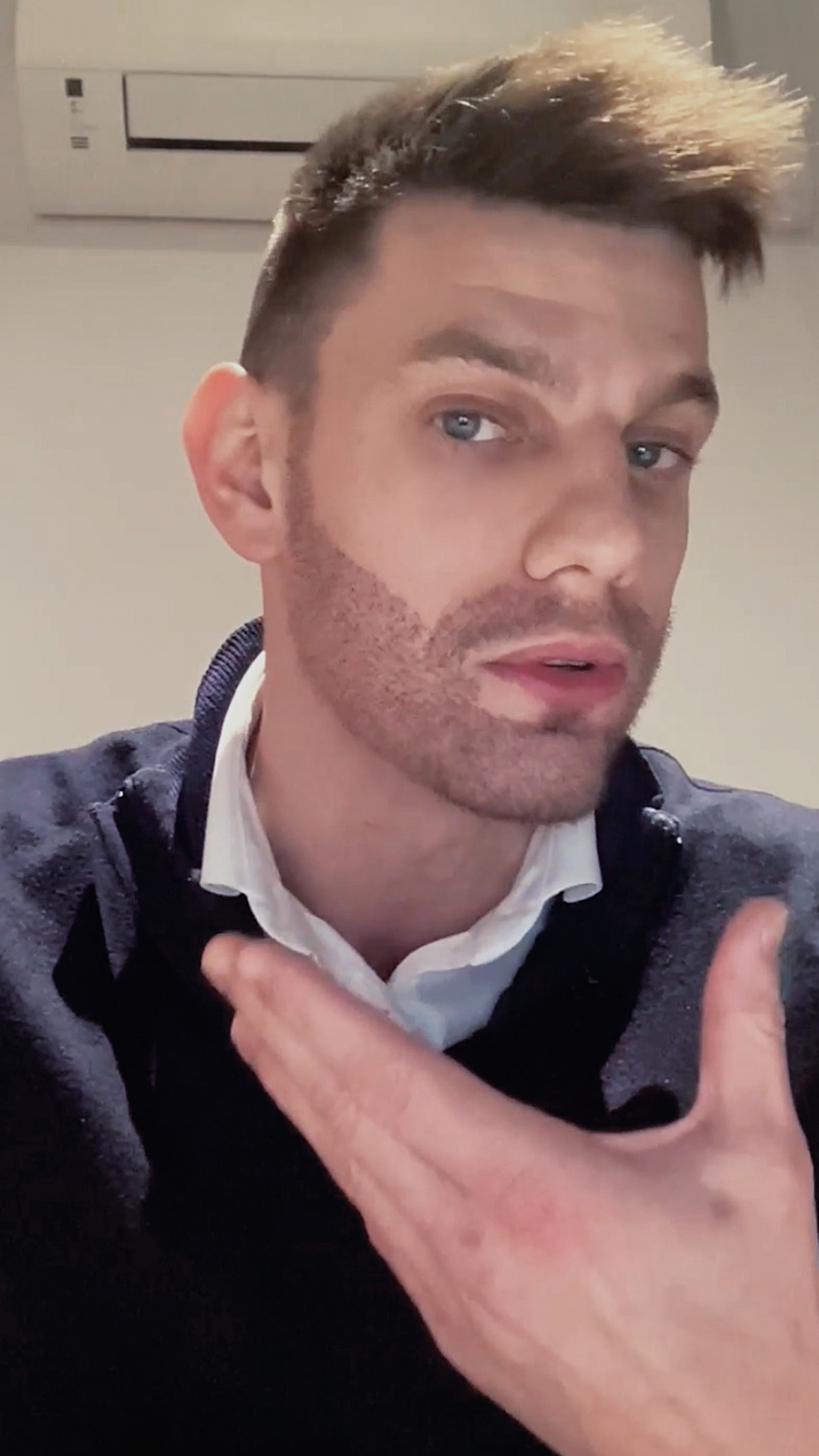 Cyril's
 -
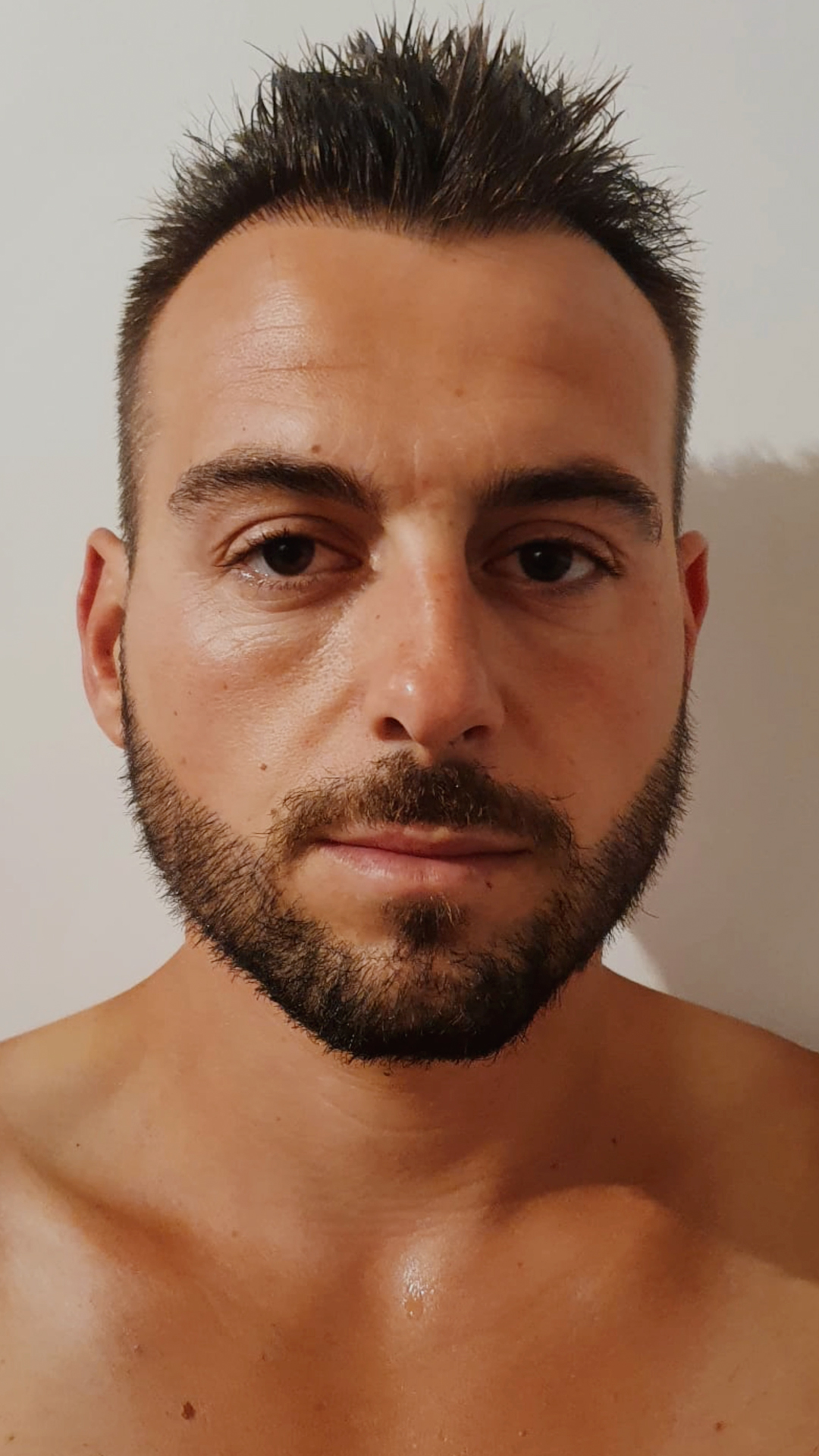 Ewen's


Book your beard transplant today
Our team of facial hair restoration specialists will call you back free of charge to talk through your project.
Our specialities in beard transplants
-
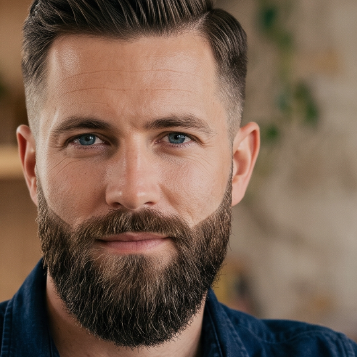 FULL BEARD
To rebuild a sparse or absent beard across the whole face: cheeks, jaw, chin. We restore density where it’s missing, following the line and direction of growth. Most often you’ll need 2000 to 3000 grafts for even coverage.
-
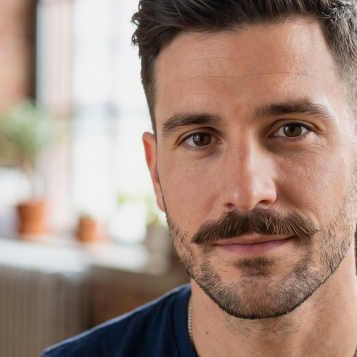 MOUSTACHE AND SIDEBURNS
Targeted thickening in the trickiest areas: moustache, sideburns, where they meet the temples. Each hair is placed at the right angle for an invisible join with your existing facial hair. Usually 800 to 1500 grafts are enough.
-
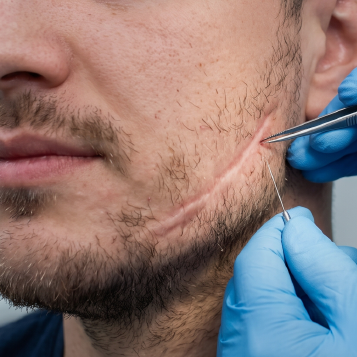 SCARS AND BARE PATCHES
Acne, a burn, an accident or surgery: the transplant covers areas left with a scar, where hair no longer grows. A prior assessment checks that the skin will take the grafts well before we go ahead.


Your questions about beard transplants in Istanbul
Am I a good candidate for a beard transplant?
A beard transplant suits men whose facial hair is patchy, uneven or missing, whether that’s down to genetics, scarring or simply wanting more density. It’s best to wait until your facial hair pattern has largely settled, often after 25: density can still increase into the mid-thirties (Yaseen, 2021; Dua, 2021). During your consultation with our team, an examination of the donor area confirms you have enough follicles for a successful transplant. If you’d like to know more about men’s facial hair, our article on the Turkish beard and moustache is worth a read.
Which technique is used for beard transplants in Istanbul?
Our partner clinic favours the Sapphire FUE technique for the beard. Follicles are taken one by one from the back of the scalp, then placed through micro-incisions made with a sapphire blade. This gives precise control over the angle and direction of each hair, which matters enormously for a natural look on the face. To weigh up the different methods, our article on DHI vs FUE sets out what makes each one distinct.
How many grafts does a full beard need?
It depends on your goals. To thicken a few specific spots (chin, sideburns), expect between 800 and 1500 grafts. For a full beard reconstruction, the surgeon may place 2000 to 3000, sometimes split across two sessions if the density you want calls for it. The exact figure is set during the consultation, based on the area to cover and the density you’re after.
Is the procedure painful?
The beard transplant is done under local anaesthetic. The injections sting briefly, then the area goes numb: you stay awake, with no pain in the area being treated. Mild discomfort can follow, managed with ordinary painkillers. Most of our patients describe the whole thing as perfectly bearable.
How long do I need to stay in Istanbul?
We suggest a stay of 3 to 4 days to cover the pre-op check-up, the procedure and the first follow-up. That’s enough to head home with real peace of mind. Your stay includes hotel accommodation and VIP transfers.
When will I see the final result of my beard transplant?
The first transplanted hairs fall out between weeks 2 and 4: that’s shock loss, and it’s completely normal. Regrowth starts around the third month, then the result fills in bit by bit. Allow 12 to 18 months to judge the final look. To follow the stages of this regrowth after a transplant, have a look at our dedicated article.
Why choose Istanbul over another country for my beard transplant?
Istanbul accounts for a large share of the hair and beard transplants performed worldwide. That volume gives its surgeons technical skill few European practitioners can match. At Body Expert, you are treated at our partner clinic in Istanbul, selected for its facilities, with up to 70% savings compared with UK prices. To see everything we offer, take a look at our hair transplant in Turkey page.
What happens with follow-up once I’m back home?
Our English-speaking medical team keeps in touch by video call for 12 months after the procedure. You get a full aftercare kit and detailed instructions to give regrowth the best chance. If any question comes up, your dedicated adviser is reachable by phone or WhatsApp, 7 days a week. You’ll find all our advice in our article on post-operative care after a transplant.
Discussing your project

Beard transplant in Istanbul: what to know before you go ahead
A patchy beard. Bare spots. Uneven edges. For a lot of men, facial hair is a quiet source of frustration. A beard has become a real marker of style and personality, and not being able to wear one the way you’d like chips away at your confidence. If any of that sounds familiar, you’re far from alone, and there’s a lasting solution.
Beard transplants are among the men’s aesthetic procedures whose demand has grown the most in recent years. And Istanbul is where this expertise is most concentrated. At Body Expert, you reach that know-how at our partner clinic, with a beard transplant in Turkey carried out by experienced surgeons.

Why consider a beard transplant? More reasons than you’d think
People often assume a beard transplant is only for men with no facial hair at all. The reality is more nuanced. Some men have a naturally sparse beard for genetic reasons. Others want to cover patches left bare by acne scars, a burn or an accident. Others again simply want to redraw cleaner, more defined edges.
Then there are the men who spent years hoping their beard would thicken with age, before realising it never would. And trans patients (female to male), for whom facial hair is a meaningful milestone, usually once hormone therapy has had time to show what the beard can do on its own.
These profiles have something in common: a real, everyday impact. For many, especially after a burn or a scar, it goes well beyond looks. Getting a beard back often means getting your confidence back. A transplant is no vanity project: it’s a genuine lever for self-esteem.

The ideal candidate: are you eligible?
A beard transplant is for adults whose facial hair pattern has largely settled, often after 25. Density can still increase into the mid-thirties, so it is often wiser to wait until that pattern is clear.
The thing that matters most is the quality of the donor area. The follicles (the roots that produce each hair) are taken from the back of the scalp, a zone that’s genetically resistant to hair loss. It needs to be dense enough to supply the grafts required without leaving any visible trace. Our surgeons always assess it during the consultation. To understand why this area is so important, read our article on the donor area in hair transplants.
A few contraindications are worth knowing about. Clotting disorders, autoimmune conditions affecting the skin (lupus, for instance), active skin infections on the area to be treated, or taking certain medications (anticoagulants, immunosuppressants): all of these can be reason to postpone the procedure. A full medical work-up, done at our partner clinic in Istanbul, identifies any risk factors and lets the surgeon adapt the plan.

Sapphire FUE: a technique suited to the beard
Not all transplant techniques are equal once the face is involved. The skin there is thinner and more sensitive than the scalp. Beard hairs grow at very particular angles, often between 10 and 30 degrees to the skin, and their direction shifts from one area to the next: chin, cheeks, moustache, sideburns. Reproducing that natural geometry takes a precision only certain techniques can offer.
This is exactly where Sapphire FUE stands out. Its sapphire blades, finer and harder than surgical steel, make micro-incisions of remarkable precision. Every recipient channel is opened to measure: the right angle, the right depth, the right direction. The aim is growth whose angle and direction line up with your natural hair.
Smaller incisions reduce trauma to the tissue, which helps facial skin heal cleanly.
Beard hair is also thicker and stiffer than scalp hair, one more reason to adapt the technique. The DHI technique (Choi pen) remains an option for certain beard cases: the pen creates the channel and places the graft in one motion, which some surgeons prefer for very acute angles. On larger areas, Sapphire FUE with prepared channels is the usual choice at our partner clinic, according to your skin and hair. To understand what sets the two methods apart, our DHI versus FUE comparison is a good place to start.

What actually happens during the procedure
Extracting the follicles
The procedure starts with a local anaesthetic on both the donor and recipient areas. The anaesthetic injections sting for a moment, then the area goes numb. The surgeon then removes the follicular units one by one, with a micro-punch 0.7 to 1 mm across. Only the follicles best suited to the face are kept: single-hair and two-hair units are preferred, since their texture is closest to beard hair.
Preparing and placing the grafts
The extracted grafts are sorted, then kept in a saline solution that preserves their vitality. Meanwhile, the surgeon prepares the recipient sites with the sapphire blade, carefully following the natural angle and direction of the hair. Placement then happens follicle by follicle, adjusting the density area by area.
For a full beard, expect between 2000 and 3000 grafts. For targeted thickening (chin, sideburns, moustache), 800 to 1500 grafts are usually enough. The procedure lasts 4 to 8 hours depending on the area to treat.

Istanbul: why the expertise is concentrated here
The picture is simple: Istanbul ranks among the world’s main cities for hair and beard transplants. That’s no accident. Since the early 2000s, a whole medical ecosystem has grown up around hair restoration, with specialist clinics, dedicated training and a steady stream of international patients. All of which lets surgeons build up experience that’s hard to match anywhere else.
That sustained activity translates into a real command of complex cases, an ability to adapt to each face, and a precision in shaping the edges that only repetition can bring.
The price gap is another strong argument. In Istanbul, you get the same quality of care, often backed by greater surgical experience, with up to 70% savings compared with the UK. The figures are set out in our price list, higher up this page. At Body Expert, the stay covers the procedure, accommodation, VIP transfers and all the medical follow-up: no hidden extras, no nasty surprises.
To see every hair procedure available on site, visit our page on hair transplants in Istanbul.

After the transplant: the timeline for your new beard
Recovery from a beard transplant is usually well tolerated. Some redness and small scabs show up in the first few days, then clear on their own within 7 to 10 days. Desk work is often possible after a few days, once the swelling is easier to live with.
Between weeks 2 and 4, the transplanted hairs fall out. This is shock loss, a perfectly normal part of the process. The roots themselves stay firmly in place under the skin. Real regrowth starts around the third month, then thickens gradually. By about the sixth month, the beard begins to take shape. The final result is best judged between 12 and 18 months.
Once regrowth is complete, you trim, shave and style the transplanted hairs like the rest of your beard. They keep the texture of the scalp hair they came from, so the surgeon picks follicles whose calibre and colour are as close as possible to your existing beard. To follow regrowth month by month, have a look at our article on what happens after a hair transplant, and at real cases in our before and after gallery.

Risks and precautions: what to bear in mind
A Sapphire FUE beard transplant is a well-established procedure with a very low complication rate. The most common side effects are redness, mild swelling and temporary numbness. An irregular growth angle or small bumps under the skin, especially on the chin and moustache, can also occur.
The risk of infection is very rare in a properly equipped clinical setting, thanks to strict hygiene protocols. Our partner clinic in Istanbul was selected for its facilities and the experience of its surgeons, with strict safety protocols applied at every stage.
To give yourself the best odds, a few precautions matter before the procedure: stop aspirin and anti-inflammatories 10 days beforehand, ease off alcohol and smoking in the preceding weeks, and leave the recipient area unshaved so the surgeon can read the natural direction of growth. Our team runs through all these instructions at your consultation. To go further on good habits after the operation, our article on aftercare best practice covers it fully.
Fancy a cultural detour? Our article on beards and moustaches, Turkish style looks at the styles and traditions Istanbul is known for.
In summary
A beard transplant in Istanbul offers a lasting answer to facial hair that’s patchy, uneven or marked by scars. The idea: take follicles from the back of the scalp, then replant them one by one on the face, at the right angle and the right density. Sapphire FUE, with its ultra-fine blades, is the method our partner clinic uses most often on facial skin, which is more delicate than the scalp.
In practical terms, expect 2000 to 3000 grafts for a full beard, 800 to 1500 for simple thickening, and a session of 4 to 8 hours under local anaesthetic. The scabs clear in about ten days, a passing shock loss happens in the first few weeks, then regrowth sets in from the third month, with a final look between 12 and 18 months. The transplanted follicles stay in place: once trimmed to beard length, you style them however you like.
Istanbul stands out for the volume of procedures its surgeons handle, their command of facial contours, and up to 70% savings compared with the UK, without giving anything up on quality of care. At Body Expert, everything is taken care of from start to finish, with an English-speaking team from the first conversation through to 12 months of follow-up.
Got a question about your eligibility, the number of grafts or how the trip works? Ask for your free, personalised quote: you’ll get a detailed reply within 24 hours, with no obligation.
Sources and references
- Yaseen, U., Ahmed, S., & Ahmed, M. (2021). Beard Reconstruction. International Journal of Trichology, 13(6), 4-8. https://pmc.ncbi.nlm.nih.gov/articles/PMC8647705/
- Dua, K., Verma, V., & Dua, A. (2021). Beard and Moustache Reconstruction. Indian Journal of Plastic Surgery, 54(4), 483-488. https://pmc.ncbi.nlm.nih.gov/articles/PMC8719972/
- Umar, S., Khanna, R., Maldonado, J. C., Chouhan, K., & Gonzales, A. (2024). Beard and Body Hair Transplantation by Follicular Unit Excision Using a Skin-Responsive Device: A Multicenter Study. Dermatologic Surgery, 50(3), 306-308. https://pmc.ncbi.nlm.nih.gov/articles/PMC10904000/
- Goldin, J., Zito, P. M., & Raggio, B. S. (2025). Hair Transplantation. StatPearls. https://www.ncbi.nlm.nih.gov/books/NBK547740/