Implantation capillaire
Follicules
Densité
Repousse
Cuir chevelu
FUE hair transplant: how it works and recovery
FUE takes follicular units out one at a time, with a micro punch of 0.7 to 1 mm, then puts them back into the thinning areas. This guide explains what that unit by unit harvesting means for the length of a session, for the look of the donor area and for the regrowth timeline, and where FUE parts company with FUT and DHI. It also sets out what makes a quote move, in the UK as in Istanbul.
FUE hair transplant at a glance
Hospital stay
Outpatient care
Procedure duration
5-6 hours
Results visible after
10-14 month

Medical validation
What the FUE technique is
The principle of unit by unit extraction
FUE stands for follicular unit extraction: a hair transplant in which the follicular units are taken out one by one, then placed back into a thinning area. A follicular unit is the small cluster of hairs that the scalp grows together. The surgeon isolates these units with a micro punch between 0.7 and 1 mm across, sorts them by what they contain, then implants them in the recipient area. Unit by unit harvesting has gradually replaced the older strip transplants.

At that scale, each extraction point leaves a dot rather than a continuous line, and the movement has to be repeated thousands of times in a single day. What a graft holds then decides where it goes: most grafts carry one to four hairs, single hair units go to the front hairline, and the fuller units build density further back.
Between extraction and implantation the grafts wait in saline solution, through the window when the scalp is no longer feeding them. How long that wait lasts matters for how many take, and it is what dictates the shape of the day: when the area to cover is very wide, splitting the work over two days beats stretching a single session.

FUE became the reference technique in hair restoration because it gives a natural looking result with no linear scar. It does take longer than a strip transplant, while staying less invasive: theatre time is the price of unit by unit precision, and surgeons have accepted that trade almost across the board.
To place the technique within hair restoration as a whole, the hair transplant guide covers the general ground, from who it suits through to the other methods.
What FUE changes compared with FUT
FUT, the strip method, removed a whole band of scalp from the back of the head, in the hippocratic wreath, where hair holds out longest against balding. That strip was then cut into smaller grafts and replanted into recipient sites incised beforehand. The volume obtained in one go could be large, since the harvest came out in a single piece. The trade off was a linear scar across the back of the head, most visible when the hair is worn short.

FUE turns that logic round: the surgeon goes after the follicles one at a time, which leaves the donor area with no suture line to hide. Recovery is quicker and the back of the head stays more discreet. In exchange the session runs longer, because pulling thousands of units out one by one takes more time than lifting a strip. That length follows directly from the decision to spare the donor scalp.
Marks do remain. After a FUE, pinpoint micro scars show where each harvest was taken; once healing is done they stay discreet, even under a very short cut. So the difference with FUT is the shape of the mark, a line on one side and dots on the other, and how visible it is day to day depending on how short you wear your hair.

Unit by unit harvesting has another consequence, more technical: every follicle is exposed to transection, a harvesting accident that puts the survival of the extracted unit at risk. Setting the punch angle, the depth and the speed to keep transections down is precision work, and it sharpens case after case.
How the technique has moved on: motor, robot, sapphire and DHI
The micro punch can now be motorised. Harvesting speeds up, which means more hair can be transplanted in a single operation. What is at stake is the shape of the day: fitting a graft count that matches the density target into a reasonable time, without leaving the follicles outside the body any longer. The motor speeds up one step; the implant angle and the design of the front hairline stay the surgeon’s call.
Another step hands part of the work to a machine: the ARTAS robot, which carries out a large number of harvests and implants with steady regularity. The treatment plan, the choice of areas and the check on the result stay human. Manual, motorised or robot assisted, FUE rests on the same unit by unit principle in every case, and these variants are about the tool.
Micro punches now come in sapphire as well. The material changes, the family of transplant stays the same: same follicular units, same one by one harvest. So a sapphire FUE quoted on a proposal describes an extraction and incision tool, chosen to make the transplant more efficient with less pain.

The most developed member of the family is DHI, or Direct Hair Implantation. It keeps the unit by unit extraction of FUE, then implants the follicles straight away with a special implanter, without first opening the channels that receive the grafts in classic FUE. Placing each follicle one at a time costs surgical time: the operation runs on average twice as long as a classic FUE, and it is priced higher.

The two techniques share the extraction and split at the point of putting the follicle back. FUE opens the sites, then slides the grafts in; DHI places the graft directly. Area to cover, density target, how long a session you can accept and budget all point the choice one way or the other, which this guide comes back to further down.
What the literature says about the aftermath
What follows a hair transplant is documented. A systematic review of 45 papers by Khatib, Skorochod and Wolf counted, across the observational studies, 442 patients out of 2353 who reported complications after a hair transplant. Pain and discomfort top those reports. The arteriovenous fistulas recorded were tied to punch FUE, a rare vascular complication linked to the very tool of unit by unit harvesting. Those proportions describe the whole set of studies pooled by the review.

The session itself fits that picture. The anaesthetic is local and pain stays minimal during the operation; moderate discomfort can turn up in the days that follow. Scabs, swelling and a shaved scalp on show fill the first one to two weeks, which is the healing time for a scalp that has taken thousands of micro harvests and micro implants.
Hair transplants sit inside a very widely practised set of cosmetic procedures. The ISAPS survey of procedures performed in 2024 counts more than 17.4 million aesthetic surgical procedures worldwide, and Turkey is among the countries with the highest share of foreign patients. That international traffic is why FUE has become an everyday operation there, and why a British patient often ends up comparing a UK quote with an organised trip to Istanbul.
Sources
- Khatib, M., Skorochod, R., & Wolf, Y. (2025). Complications Following Hair Transplantation: A Systematic Literature Review and Meta-Analysis. Aesthetic Plastic Surgery, 49(23), 6393-6405.
- ISAPS. (2025). ISAPS International Survey on Aesthetic/Cosmetic Procedures Performed in 2024. International Society of Aesthetic Plastic Surgery.
- Campbell, A., Restrepo, C., Luna-Pisciotti, T., & Hernandez, M. (2025). Safety and Outcomes in Plastic Surgery Medical Tourism: A Review of 2324 Patients and 7141 Procedures. Plastic and Reconstructive Surgery Global Open, 13(9), e7113.
How a FUE transplant runs
Pre-operative consultation
The doctor measures how far the loss has gone, judges what the donor area holds in reserve and marks out the surface to cover. You talk through what you are hoping for, then the doctor draws the new hairline and orders any tests you need.
Preparation and extraction
On the day, the donor area, and sometimes the recipient area too, is shaved, marked and given a local anaesthetic. After a sensitivity check, the micro punch isolates the follicular units, which go straight into saline solution.
Recipient sites and implantation
The surgeon opens the micro incisions, setting the angle and direction of the future hair for each one so that density spreads evenly. The grafts, sorted by whether they carry one to four hairs, go in one at a time.
Length of the day and immediate care
A session usually takes six to eight hours, sometimes two days if the surface is wide. The surgeon gives the instructions for the first night, supervises the first wash and hands over an aftercare kit along with the prescriptions for going home.
What a FUE transplant costs
What moves the quote
Graft count weighs on the price more than anything else. A session can involve several thousand follicles, and the quote tracks that volume. The surgeon’s experience, where they practise and the clinic’s reputation come next, because they set how much time each unit gets, how the day is organised and the setting you will be followed up in. So a quote puts a figure on a volume, an expertise and a place.

That volume is settled at the consultation, from the donor reserve available and the surface to cover. Taking 2000 to 4000 grafts in one session is still the usual range, depending on the quality of the donor area and the experience of whoever is harvesting. For 2000 to 2500 grafts the session normally runs six to eight hours; beyond that, when the areas to replant are large, the work can be split over two days. Two different patterns of hair loss therefore produce two quotes that sit a long way apart, because the number of units and the theatre time are not the same.

Where a surgeon practises feeds into the clinic’s running costs and into the surgical time being billed. The same micro punch, the same sorting and the same site by site implantation are performed from one country to the next; what changes is the setting built around the session and what the package takes in. So read a quote line by line, spotting what it covers and what is left for you to pay.
Comparing the UK and Turkey
In the UK, clinics usually price per graft, and the total climbs fast once the need runs into thousands of units. In Turkey, prices are on average 60 to 70% lower, a gap that has drawn a great many British and European patients towards clinics performing FUE every day. So two price structures sit facing each other, for the same kind of session and a comparable graft count.
That flow has a practical consequence: teams that repeat FUE very often, and packages built for a patient who flies in, stays a few days, then goes home. Reading the quote then matters as much for what the package holds as for what is planned once you are back.

A series published by Campbell, Restrepo, Luna-Pisciotti and Hernandez sheds light on how safe an international pathway can be. It followed 2324 international patients, that is 7141 procedures, operated on in a high volume centre: the complication rate there was 6.2% per patient and 2.2% per procedure, comparable with the figures published by board certified American surgeons. These numbers cover medical tourism plastic surgery in the broad sense, and they show that a high volume centre with published follow up can post a complication profile in line with North American benchmarks.
The detail of an organised stay, from arrival through to follow up, is set out on the hair transplant in Turkey page, which describes how the project is built and where the session sits within the trip.
The Body Expert package
At Body Expert, the operation takes place in our partner clinic in Istanbul. The package covers a 5-star hotel (nights and breakfast), VIP transfers, a dedicated English-speaking patient coordinator, and 12 months of post-operative follow up. The quote is free, it reaches you within 24h, with no commitment. Your plane ticket stays yours to book. On that kind of pathway, at a comparable graft count, the budget gap with the UK reaches up to 70% savings.

What no package puts a figure on is what the consultation establishes: how many grafts your donor area can reasonably give, the line that will be drawn and the regrowth timeline. That assessment sets the target: which density, over which surface, with which donor reserve. Only from there does a price mean anything, and only then do you know whether one day in theatre will do or whether it will take two.
The 12 month follow up covers exactly the stretch when transplanted hair falls out, grows back, then thickens, which is when a photo sent over or a question asked changes most how the result reads. The English-speaking coordinator keeps that link going during the stay and once you are home.

Take stock of a FUE transplant
Send your photos: a free quote reaches you within 24h, with no commitment.
OUR PRICES AND PACKAGES
FUE
Beard Transplant
Offre et tarif : Beard Transplant
Offre et tarif : FUE
Feel free to scroll through the different prices from right to left!
The advantages of a FUE transplant
-
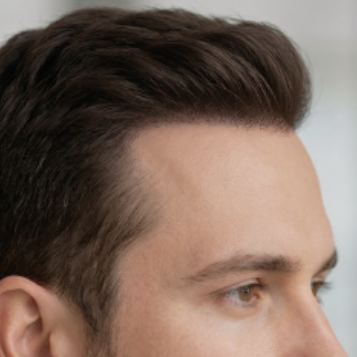 A natural result
Every recipient site is angled to follow the original growth, which makes the border between grafted and native hair hard to spot once density has settled in.
-
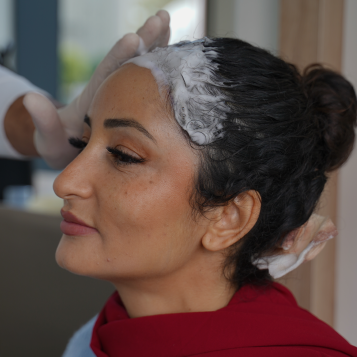 A discreet donor area
Once healed, the harvest points show very little, even on a cut clipped down to a few millimetres. Your choice of hairstyle stays open after the transplant.
-
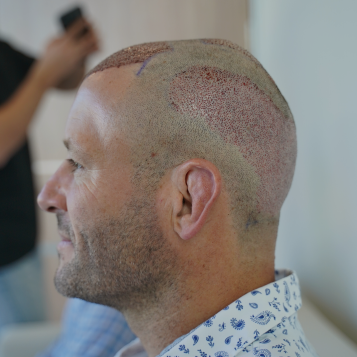 Recovery
Less invasive than FUT, FUE lets you pick up everyday activities sooner. A woolly hat is fine again after the first few days, a helmet at the end of the second week.
-
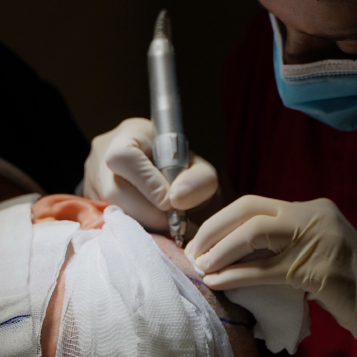 Hair, beard and eyebrows
The same unit by unit extraction applies to all three areas, and follicles can be taken from more than one donor area depending on what is in reserve.


Results and recovery after a FUE transplant
Healing (1 to 2 weeks)
The scalp stays shaved and on show, with scabs and mild swelling on both areas. For a fortnight, avoid rubbing, at night above all, and go for wide necklines. Sport and helmets wait, because they push blood pressure up.
Temporary shedding (2 to 4 weeks)
The transplanted hair falls out, under the strain of the session and the trauma to the scalp: this is shock loss. The roots stay where they are, and it is the permanent hair that grows back afterwards.
First regrowth (3 to 9 months)
Around three to four months, the first hairs come through very fine, then their calibre increases. Between six and nine months density builds enough to style your hair the way you did before the operation.
Final result (12 to 18 months)
Between twelve and eighteen months, calibre and density settle. That is the point at which the final result is judged, once the grafts have finished maturing.
FUE, FUT and DHI: how to choose
FUE and FUT
The choice between the two methods comes down to how many units you need and to the haircut you wear. FUT still has a documented place when the number of grafts to obtain is very high: grouping harvests and implants from a single strip gains speed and volume efficiency, which counts for extensive hair loss where the donor area has to give up a lot of units in a tight window.

In every other situation FUE wins, first because it avoids the suture line at the back of the head. For a patient set on keeping his hair short, it is the only option that fits, at the cost of a longer session and a harvest that asks more of the operator.
Comfort across the day comes into the decision too. FUE runs under local anaesthetic from start to finish, with the patient awake, and it hurts less than a strip transplant. The trade off is how long the day is, which the team plans for with breaks and, if needed, a spread over two days.
FUE and DHI
FUE and DHI part ways at implantation. In classic FUE, the surgeon first creates the micro incisions of the recipient area, setting the angle and direction for each site, then places the already sorted grafts in them. In DHI, a special implanter puts the follicle in directly, with no channels made beforehand, so the graft never sits waiting in an already open site.

Bringing the two steps together does three things. It reduces the tissue trauma that comes from opening the channels in advance. It shortens the time the follicle spends out of place, which aims at better graft survival. And it gives tight control over the angle, the depth and the direction of every implant. Against that, expect an operation on average twice as long as a classic FUE and a higher price, which weighs more and more as the surface to cover grows.
A large surface, a high graft count or a session that has to fit into one day in theatre point towards classic FUE, possibly motorised or with sapphire punches. A limited area, a front hairline that needs millimetre control over the angle, or a patient for whom a longer session is acceptable, point towards DHI. The two also combine, on different areas, according to what the examination showed. The DHI hair transplant guide goes into the implanter in detail.
Sapphire micro punches and the ARTAS robot both sit inside the FUE family: the first changes the material that opens the tissue, the second assists harvesting and implantation. Both stay with the logic of implanting into sites opened in advance, which is FUE’s logic. A well run classic FUE already rests on intact units, careful sorting and properly angled sites.
Training, transection and choosing a clinic
The quality of a FUE is decided first at the extraction. Transection puts the survival of the harvested follicle at risk, and keeping it down takes precision that only builds over hundreds of operations: initial training lays the base, experience brings the reading of a donor area and the reflex to abandon a harvest that would damage the unit. A regrowth rate of 90 to 95% depends on that expertise and on graft quality, and it moves with the hand that harvests as much as with the way the grafts are kept, sorted, then implanted.
So what to ask a clinic about a FUE is quite specific. How many operations its surgeons perform with the technique is part of it, and so are photos of donor areas taken with the hair short, which show what the harvest points leave behind once healed. Written accounts from former patients tell you about the follow up as it really is, and whatever credentials the team can show fill in the rest. Density at 12 to 18 months, once maturation is done, stays the final measure.

At Body Expert, the operation takes place in our partner clinic in Istanbul. Its surgeons keep their practice current with a technique that keeps moving, manual, motorised, robot assisted or sapphire, and the theatres are equipped with sapphire micro punches. The setting around the session is the package: 5-star hotel, VIP transfers, an English-speaking patient coordinator, 12 months of follow up. The flight, you book yourself.
Before comparing two quotes, then, it pays to know who is operating, in which clinic and for how many grafts: a price detached from those three things maps onto no particular plan. A first assessment from photos gives you that plan and the quote that goes with it.
Before & After
Discover our patients’ results
FUE
Beard Transplant

Avant-après

Avant-après

Avant-après

Avant-après

Avant-après

Avant-après

Avant-après

Avant-après

Avant-après

Avant-après

Avant-après

Avant-après

Avant-après

Avant-après

Avant-après

Avant-après

Avant-après

Avant-après

Avant-après

Avant-après

Avant-après

Avant-après

Avant-après

Avant-après

Avant-après

Avant-après

Avant-après

Avant-après

Avant-après

Avant-après

Avant-après

Avant-après

Avant-après

Avant-après

Avant-après

Avant-après

Avant-après

Avant-après
Send your photos for an opinion on your FUE
Our English-speaking team looks at your donor area and comes back within 24h with a free quote.
Our patients talk about us
-
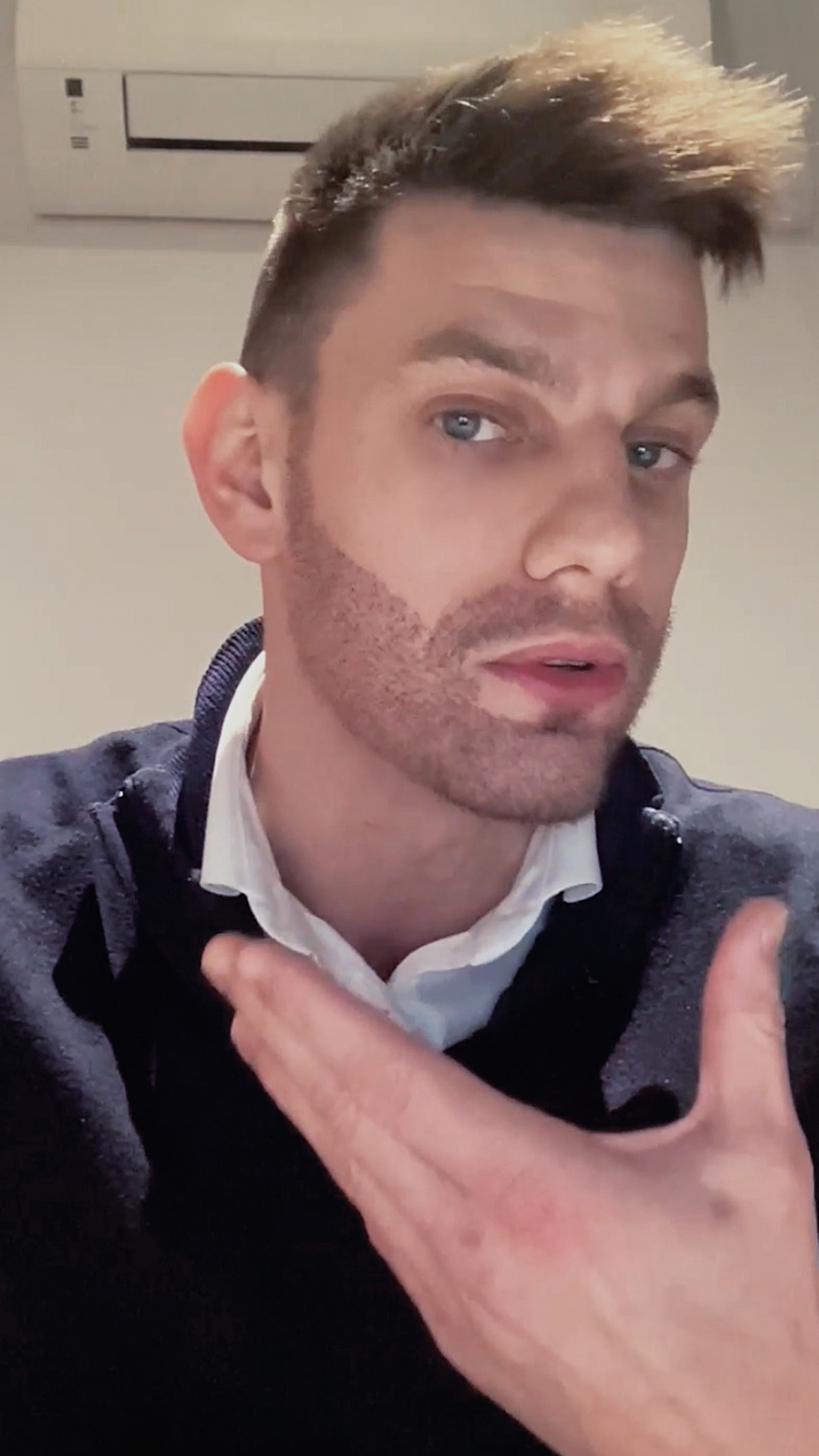 Cyril's
 -
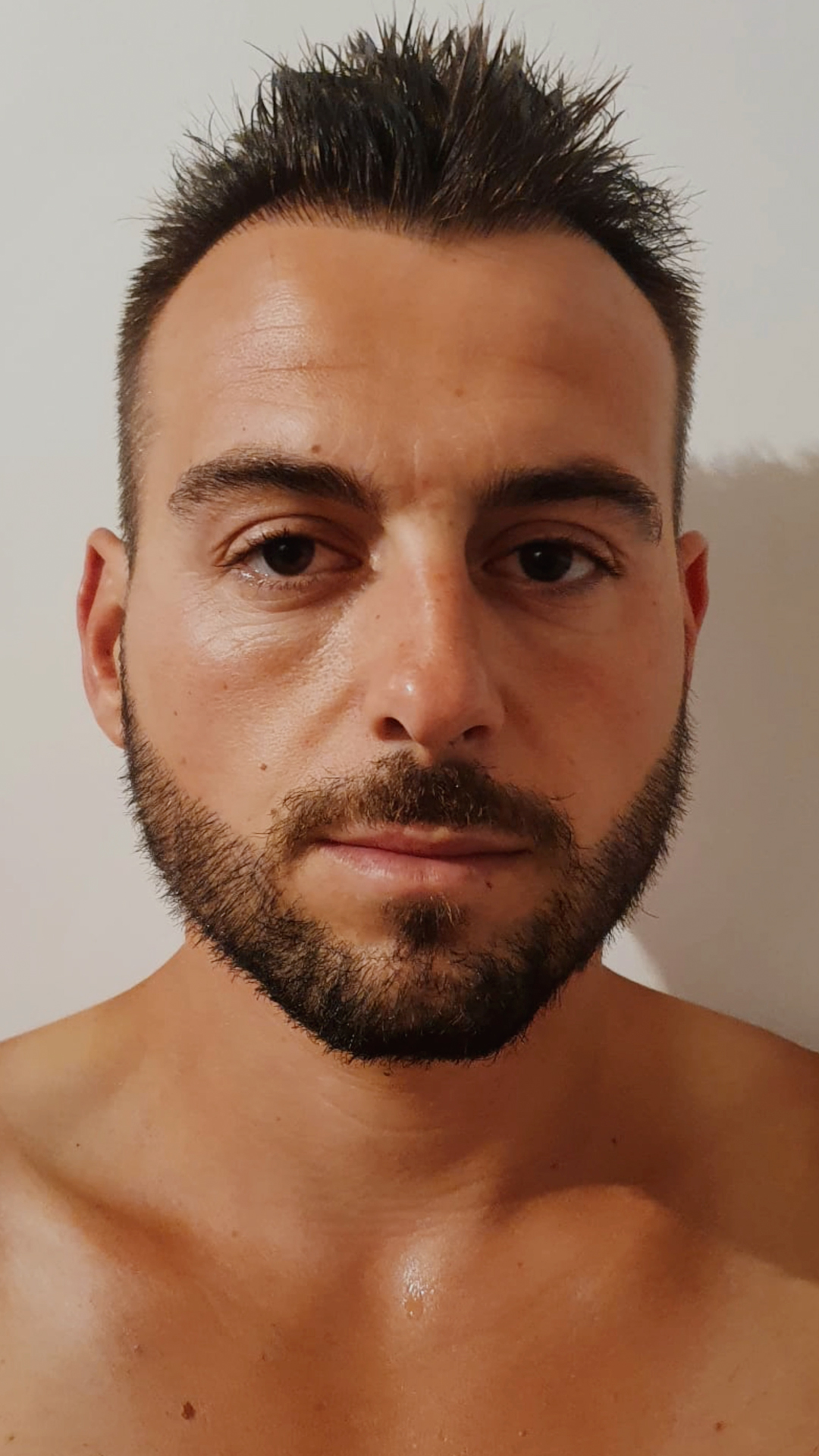 Ewen's
 -
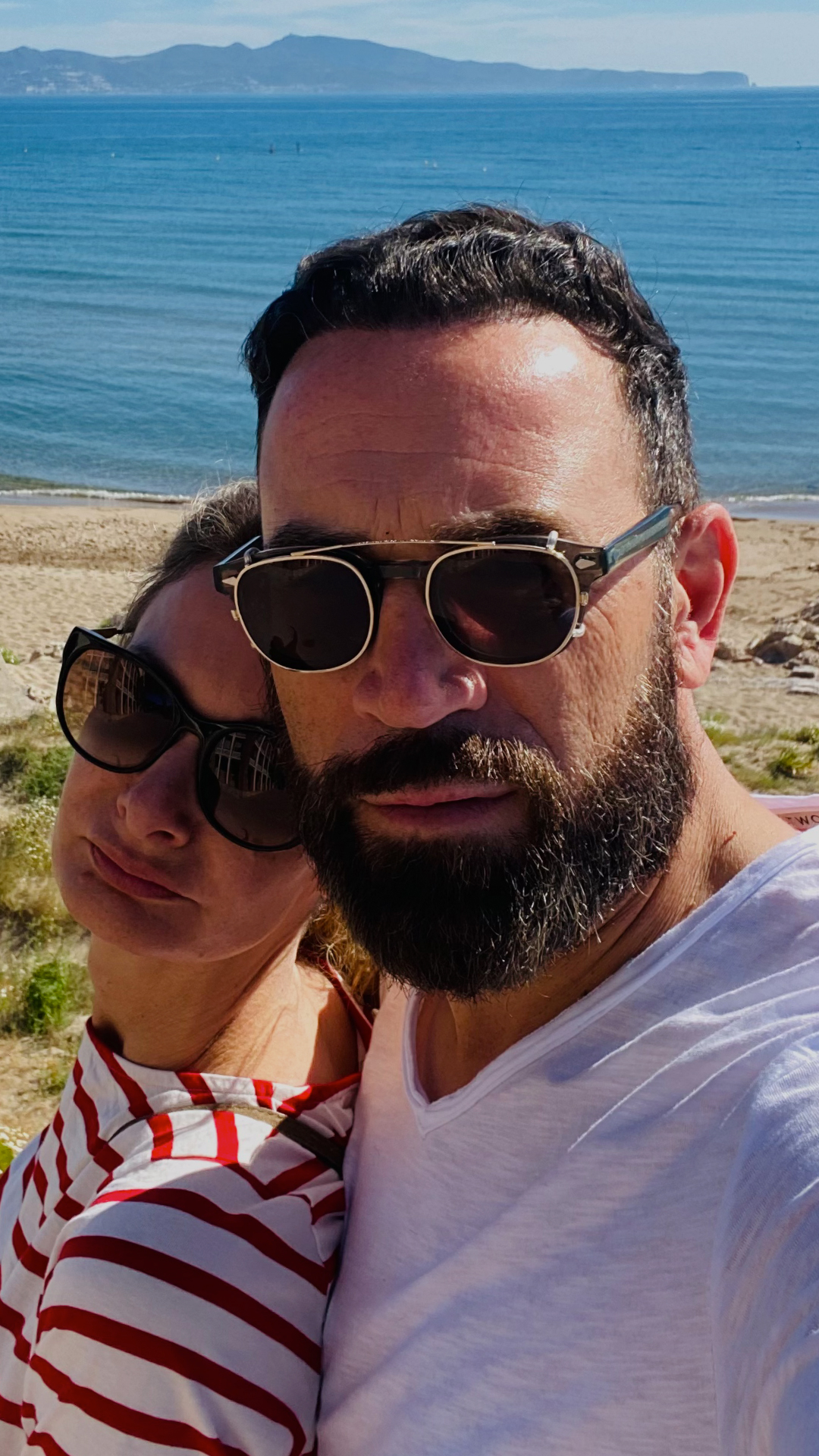 Jérôme's
 -
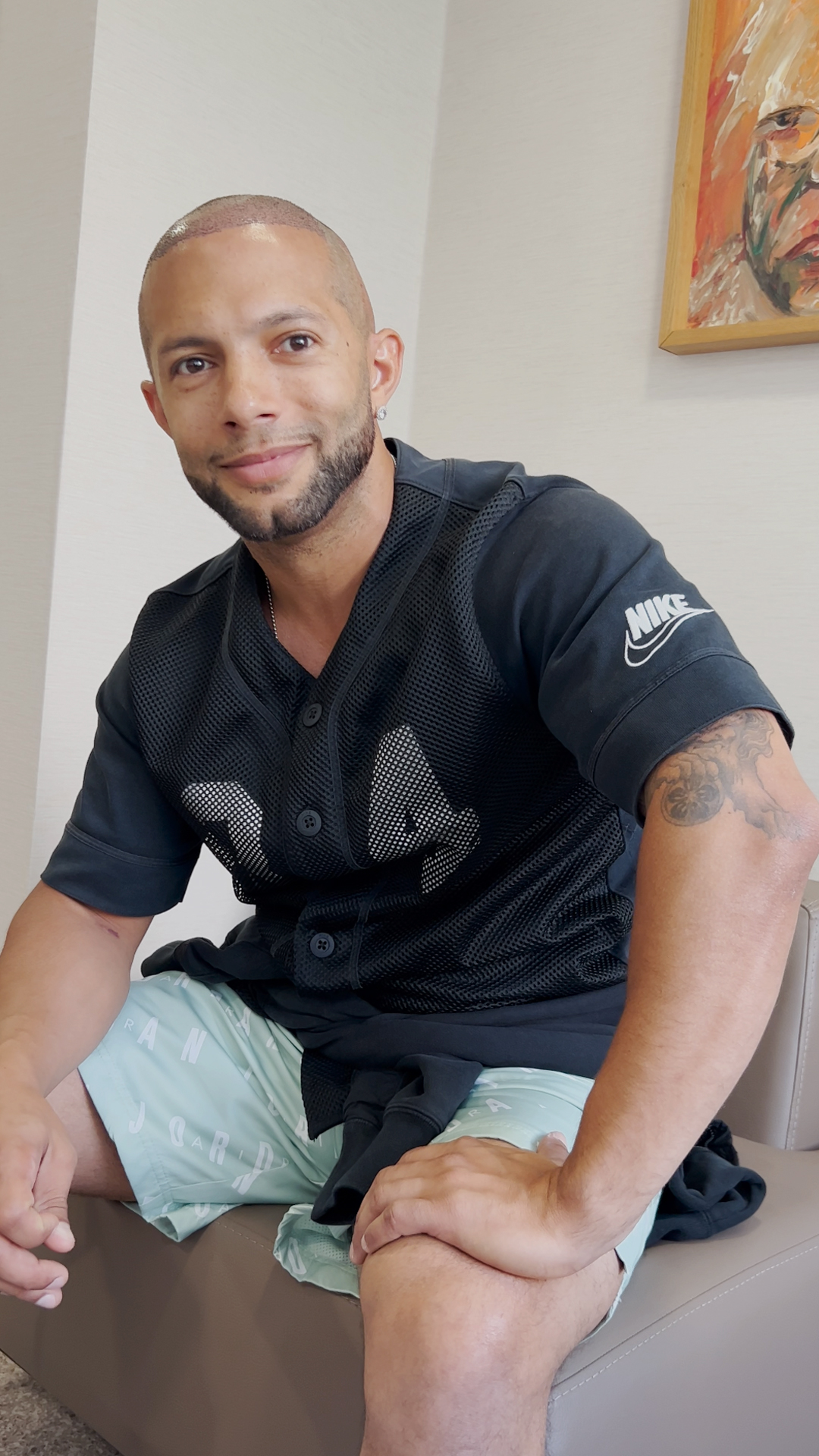 Joachim's
 -
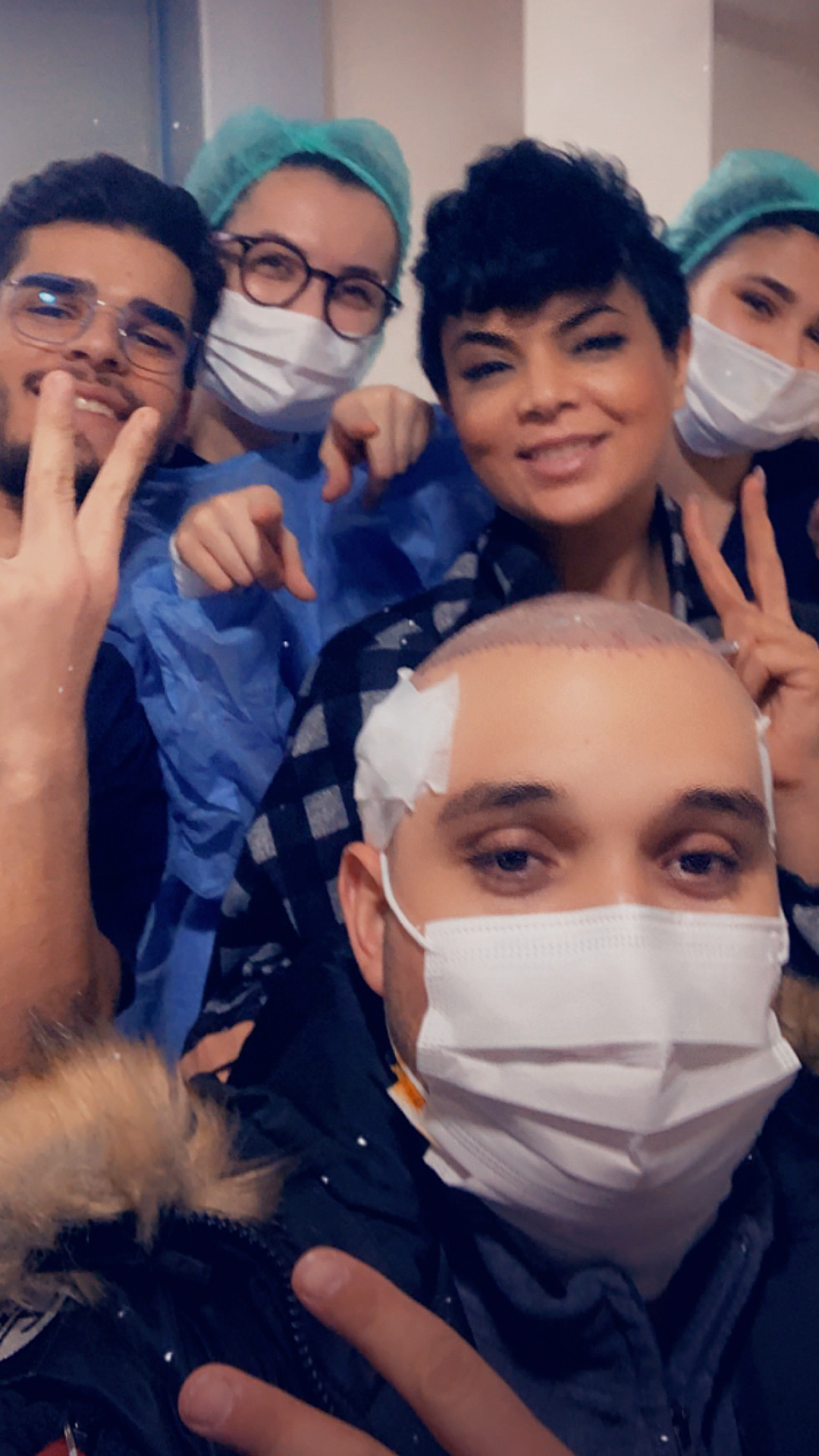 Cédric's
 -
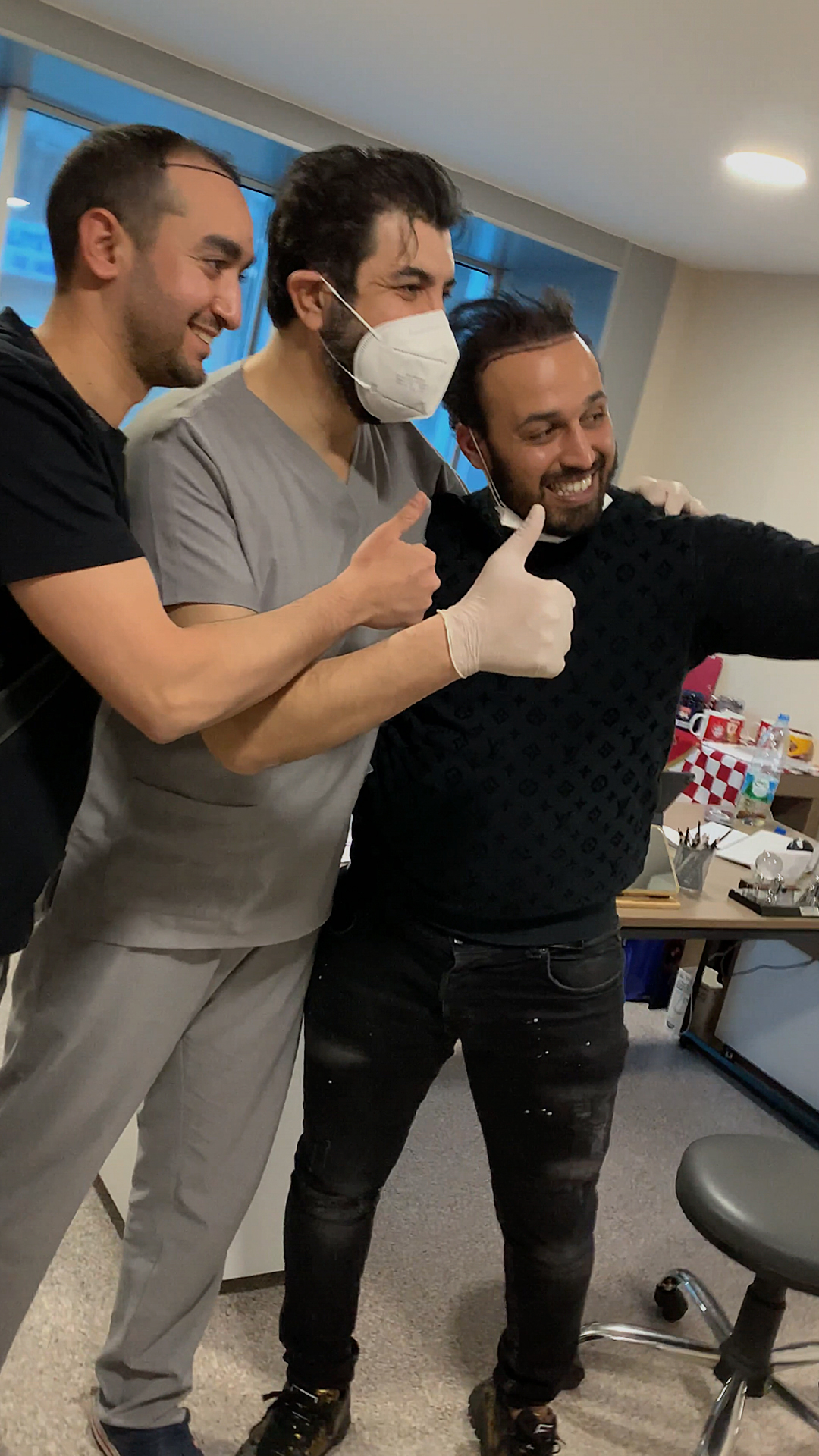 Karim's


FAQ
Is FUE painful during and after the session?
The local anaesthetic covers both the extraction and the implantation, so the session itself stays close to painless. In the days that follow, moderate discomfort can make itself felt on the shaved areas. The aftercare kit you take home and the first wash, done with the team, help you get through that stretch.
How many grafts can one FUE session take?
The usual range runs from 2000 to 4000 grafts per session, depending on how dense your donor area is and on the experience of the surgeon harvesting. Each graft carries one to four hairs, which is why the same number of units does not give the same visible density everywhere.
What does a regrowth rate of 90 to 95% mean?
The rate describes the share of transplanted follicles that take. It depends on the surgeon’s expertise and on graft quality, and on its own it does not tell you the density you will end up with: that also comes down to how many units are implanted and how much donor reserve is genuinely available.
Does FUE leave a visible mark at the back of the head?
It leaves pinpoint micro scars, one per harvest site, which turn discreet once healed and allow a very short cut. FUT, by lifting a strip, left a linear scar in the same place, far easier to spot when the hair is worn short.
How is the day of a FUE transplant organised?
The morning starts with shaving the areas involved, marking up, then the local anaesthetic, with a sensitivity check before anything begins. Extraction, sorting and implantation follow on from one another. Allow six to eight hours for 2000 to 2500 grafts, and sometimes two days when the surface to cover is large.
Can I go back to work straight after a FUE?
Plan for three to five days off instead, depending on the kind of job you do and how discreet you want to be. The scalp stays shaved and on show for the first few weeks, with scabs and possible swelling. A physical job or a daily helmet needs more of a gap than a desk does.
Is FUE suitable for women as well?
Yes, the technique is for men and women alike, particularly where the hair has thinned out. The assessment looks at the donor area, the surface to thicken and the realistic target to set. The shave on the day covers the donor area, and sometimes the recipient area too.
What does the Body Expert package cover around a FUE?
The package comes with the 5-star hotel and breakfast, the VIP transfers, a dedicated English-speaking patient coordinator, and post-operative follow up over 12 months. The costed proposal comes first, free and with no obligation to book. Your plane ticket is taken directly with the airline.
Discussing your project