Flat stomach
Diastasis
Core strength
Excess skin
Redefined figure
Abdominoplasty
A flat, firm stomach isn’t always down to willpower or the gym. Abdominoplasty, better known as a tummy tuck, removes excess skin, clears out stubborn fat and tightens stretched abdominal muscles. Our experienced surgeons carry it out in Istanbul, and our team stays with you in English, from your first message through to your follow-up once you’re back home.
Abdominoplasty from A to Z
Hospital stay
1 à 2 nights
Wait before showering
4 days
Procedure duration
2 à 4 hours

Medical validation
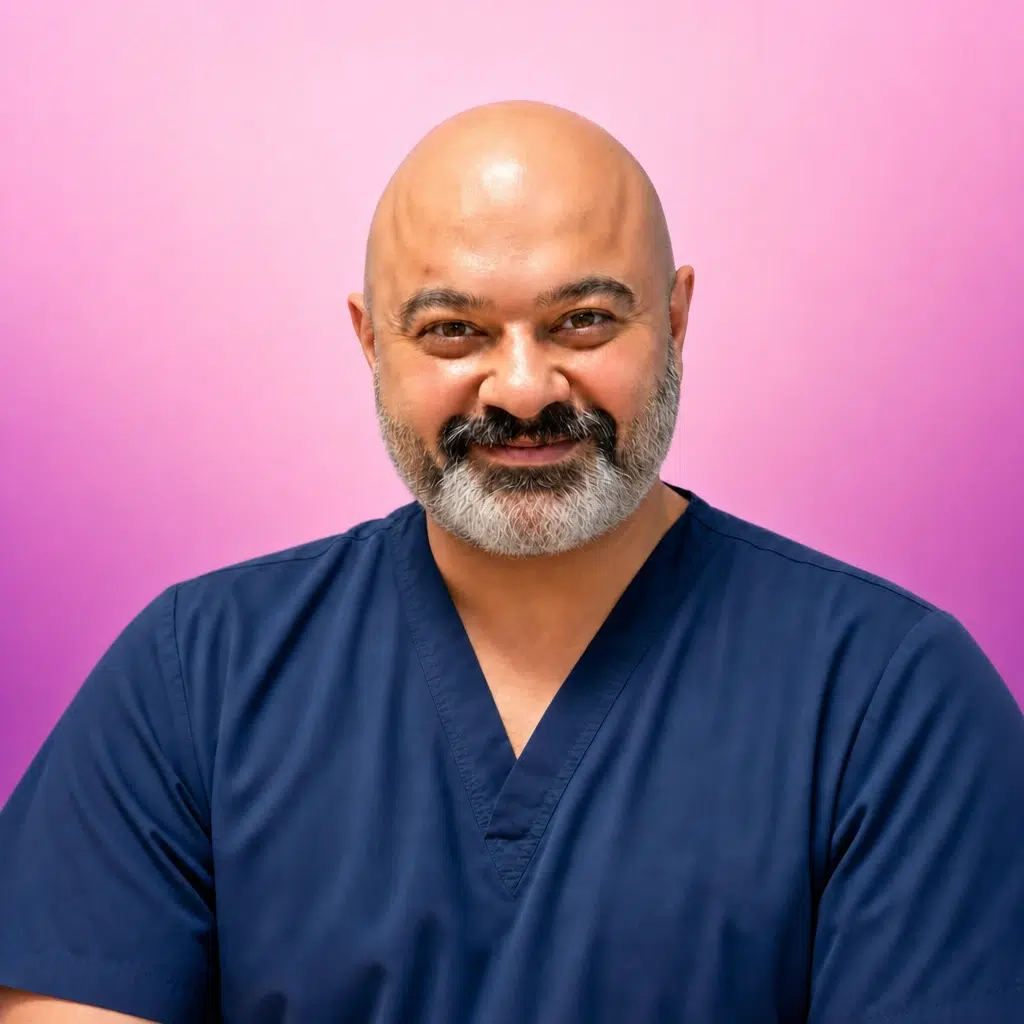
Abdominoplasty, for a flatter, firmer stomach
Pregnancy, major weight loss, or simply the passing years: the stomach is one of the first places to show slack, in the skin and in the muscles alike. When exercise and a balanced diet no longer tighten things up, abdominoplasty takes over. It removes excess skin, clears out stubborn fat and tightens the abdominal wall to redraw a clean figure.

It’s often paired with tummy liposuction, and sometimes forms part of a bigger plan, such as a mommy makeover after one or more pregnancies. Here, we explain in plain terms how the operation works, what results you can hope for and how our team supports you, in English, at every step.
The stages of your abdominoplasty
Consultation and planning
Your surgeon looks at your build, listens to what you want and settles on the right technique with you. We answer every question in plain English, no jargon. You leave with a clear plan and a firm timeline, nothing left vague.
The day of surgery
Under general anaesthetic, the surgeon makes a low horizontal incision, easy to hide under underwear. They remove the excess skin, tighten the muscles, reposition the belly button and can refine the waist with added liposuction. Allow 2 to 4 hours in theatre.
The recovery
You wear a compression garment for 4 to 6 weeks to keep swelling down. You’ll have a check-up around day 10, and we suggest 2 to 4 weeks off. In between, your assistant is a phone call away for the smallest worry.
Follow-up and results
Scar massage starts around week 3, and gentle exercise picks up after a month. The final result shows between 6 and 12 months, once the tissues settle and the scar fades.

How about we talk through your plans?
Our experts will call you back free of charge within 24 hours to talk through your abdominoplasty plans and answer your questions, one by one.
The different abdominoplasty techniques
-
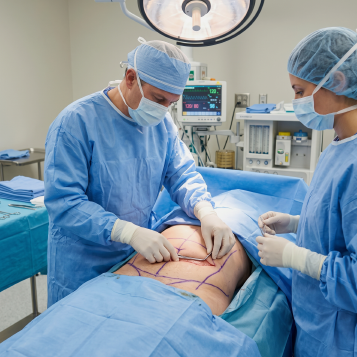 Full abdominoplasty
The go-to when sagging is pronounced, after pregnancy or major weight loss. It treats the whole abdomen, tightens the stretched muscles and repositions the belly button.
-
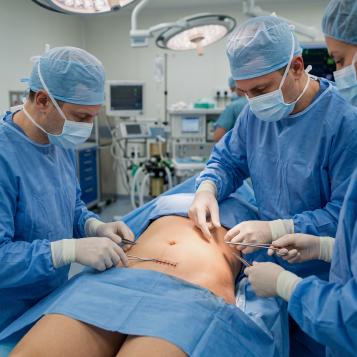 Mini abdominoplasty
For mild sagging below the belly button. The incision is shorter and recovery quicker, with the belly button left alone.
-
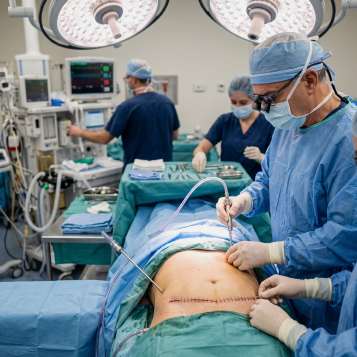 Lipoabdominoplasty
It pairs abdominoplasty with liposuction to sculpt the flanks and redraw the waist, all in one operation.
-
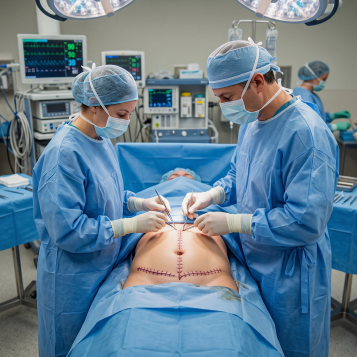 Fleur-de-lis abdominoplasty
Kept for major excess skin, often after significant weight loss. It adds a vertical incision to the horizontal one to remove more skin.


Before & After
Discover our patients’ results
Abdominoplasty

Avant-après

Avant-après

Avant-après

Avant-après

Avant-après

Avant-après

Avant-après
Avant-après
Avant-après
Avant-après
Avant-après
Avant-après
Avant-après
Avant-après
Avant-après
Avant-après
Avant-après
Avant-après
Ready for a flatter stomach?
Get a free, personalised quote with no obligation: our medical team replies within 24 hours.
Common questions about abdominoplasty
Mini or full: which abdominoplasty is right for me?
It comes down to how much slack there is. The mini abdominoplasty targets the lower tummy with a shorter scar; the full version treats the whole abdomen and tightens the muscles. At your consultation, your surgeon decides with you, based on your build and what you’re after.
Can liposuction be combined with abdominoplasty
Yes, and it’s very common. Tummy liposuction slims the flanks and the pubic area, where abdominoplasty alone doesn’t reach. The two work together for a more balanced result.
When should I consider surgery after pregnancy?
We suggest waiting at least 6 months after the birth, so the tissues can shrink back and your weight can settle. Ideally, you’d have surgery once you’re done having children and breastfeeding has been over for a few months.
What about after major weight loss?
The excess skin is often greater and sometimes calls for a wider technique, such as the fleur-de-lis. Keeping an eye on your nutrition helps the result last. Our guide to liposuction after weight loss runs through the options that go alongside it.
Does abdominoplasty leave visible scars?
The scar sits low, below the bikini line, to stay out of sight. It fades over the months, all the more so if you follow the scar care your surgeon sets out.
When can I get back to exercise and work?
Allow 2 to 4 weeks off, depending on your job. Gentle exercise picks up around 1 month, harder efforts a little later. At each step, you go at the pace your surgeon signs off.
Why have your abdominoplasty in Istanbul with Body Expert?
You get experienced surgeons, a modern clinic and a stay organised from A to Z, with an English-speaking team by your side. Have a look at our dedicated abdominoplasty in Istanbul offer and our full guide to liposuction to go further.
Is abdominoplasty covered by insurance?
As a cosmetic procedure, abdominoplasty isn’t usually covered by the NHS, apart from specific cases of medical reconstruction. Private medical insurance typically excludes it too. Our team gives you a clear, detailed quote, with no obligation.
We discuss your project

Understanding abdominoplasty: techniques, results and safety
Abdominoplasty is one of the most requested body-contouring operations in the world. The reason is simple: no non-surgical method removes genuine excess skin or tightens stretched muscles. Only surgery does, and it lasts.

An operation for different life stages
The stomach takes the brunt of most changes in the body. A full-term pregnancy stretches the tissues of the abdominal wall deep down, and the skin doesn’t always spring back to its old firmness, even in very sporty women. It’s the same story after major weight loss, whether natural or following bariatric surgery (weight-loss surgery): skin that’s been stretched for a long time leaves an apron of tissue that neither exercise nor diet can shift. Time plays its part too, with elasticity fading and the core muscles loosening.
Many patients come in for rectus diastasis, a lasting gap between the two vertical muscles running down the tummy. This gap holds out against ordinary sit-ups and physiotherapy alike. In every one of these cases, abdominoplasty tackles all three problems at once: the excess skin, the stubborn fat and the loose muscle.

A technique for every type of tummy
No two abdominoplasties are quite the same. The choice mostly depends on how much slack there is, and our surgeons take the time to assess each body before suggesting an approach. The most common is the full abdominoplasty: it treats the whole abdomen, tightens the muscles and repositions the belly button, after a marked pregnancy or significant weight loss. Lighter in scope, the mini abdominoplasty focuses on the lower tummy, leaves a shorter scar and doesn’t move the belly button.
When a figure carries both excess skin and pockets of fat, the lipoabdominoplasty combines surgery with targeted liposuction in the same session: the flanks slim down, the waist takes shape. And where excess skin is major, often after massive weight loss, the fleur-de-lis abdominoplasty adds a vertical incision to remove more tissue. Some plans go further still, with fuller reconstructive surgery after weight loss, or even a Brazilian Butt Lift to rebalance the volumes of the hips and buttocks.

What the operation actually involves
Abdominoplasty is done under general anaesthetic and takes 2 to 4 hours on average. The surgeon first marks a low horizontal incision that tucks away below the bikini line, then lifts the excess skin and fat away from the muscle wall. Then comes the key step: tightening the rectus muscles by plication (stitches that draw the separated muscles back together), which brings the tummy’s tone back. The surplus skin is removed, the belly button repositioned for a natural look, and liposuction of the flanks or pubic area rounds off the work if needed.
The operation ends with drains (thin tubes that let fluid drain away) and a compression dressing. A hospital stay of 1 to 2 nights then lets us watch the first 24 to 48 hours closely, with our medical team by your side.

More than looks: repairing the diastasis
After pregnancy, the rectus muscles often stay parted for good: that’s diastasis. And it isn’t only about shape. This gap often comes with real, day-to-day problems:
- lower back pain, tied to an unstable core;
- weaker abdominal muscles that drag on your posture;
- stress urinary leaks, often reported by new mums.
By tightening this core with plication, abdominoplasty does more than flatten the tummy: published work in the field points to a real functional benefit here, with better comfort and quality of life for the women involved. So the benefit goes well beyond the mirror.

A recovery guided day by day
Recovery follows a fairly set timetable, which we go through with you before surgery so there are no nasty surprises. For the first 4 to 6 weeks, you wear a compression garment around the clock: it keeps swelling down and supports the fresh scar. You’ll have a check-up around day 10, and any stitches that don’t dissolve are taken out then. Two to four weeks off is sensible, adjusted to how physical your job is.
Scar massage begins around week 3 to keep the scar soft and discreet. Gentle exercise resumes after 1 month, harder efforts later on. The final result comes through between 6 and 12 months, as the tissues reshape and the scar pales. Throughout, your dedicated assistant stays reachable, in English.

A safe operation, in the right hands
Any surgery carries risks, but abdominoplasty stays reliable when it’s well run. A large review of 55596 patients reports a major complication rate of 2.1% (Chaker 2024); an earlier CosmetAssure analysis found 4.0% (Winocour 2015). Both count only events serious enough to need hospital care. The factors that weigh most are now well known:
- smoking, which slows healing and weakens the skin;
- a weight that’s too low or too high;
- poorly controlled diabetes, which weakens the tissues;
- a fleur-de-lis abdominoplasty, which has a higher major-complication rate.
That’s why our team runs a full work-up before every abdominoplasty, tailors the protocol to your profile and follows you in English at every step, from the first appointment to your care once you’re back home.

Why so many patients choose Turkey
Istanbul has become a leading destination for medical tourism, and abdominoplasty is no exception. Turkey brings together strengths you rarely find in one place:
- experienced plastic surgeons, trained in the latest techniques;
- modern clinics, set up for complex operations;
- a lower cost of living that eases the whole trip;
- genuine know-how in looking after international patients.
Body Expert stands out for looking after you directly: our surgeons, our clinic, our English-speaking team on hand before, during and after. That continuity is what separates a clinic you can rely on from a plain medical-tourism deal, and it’s also what reassures the patients who write to us from London, Manchester or Dublin.

How much does an abdominoplasty cost in Turkey?
In the UK, abdominoplasty is a sizeable outlay, rarely covered by the NHS outside medical reconstruction. By choosing your abdominoplasty in Turkey, you get the skill of our surgeons and a stay organised for you: hotel, VIP transfers, English-speaking support and 12-month follow-up, with up to 70% savings on UK prices. The figures themselves sit in our packages, higher up this page.
A broader plan, taking in fat transfer or other cosmetic surgery treatments, can be talked through calmly at your consultation. Our team then hands you a detailed, no-obligation quote, line by line: surgeon’s fees, clinic, accommodation, English-speaking support and follow-up once you’re home.

In summary
Abdominoplasty is for anyone left with a slack tummy despite their best efforts: excess skin after pregnancy, an apron of skin after weight loss, muscles parted by a diastasis. Where exercise hits its limits, this tummy surgery removes the spare skin, clears out stubborn fat and tightens the core, for a firmer figure that lasts. Several techniques exist, from the full abdominoplasty to the mini version, by way of the lipoabdominoplasty or the fleur-de-lis, each chosen to match how much slack there is and your build.
Beyond looks, tightening a diastasis often eases the back, the posture and some urinary leaks: the benefit is functional too. The operation lasts 2 to 4 hours, followed by 1 to 2 nights on site, a compression garment worn for 4 to 6 weeks and a result that comes through between 6 and 12 months. Well run, it carries a low complication rate; a careful pre-op work-up and giving up smoking stay your best allies.
Having your abdominoplasty in Istanbul with Body Expert means experienced surgeons, modern clinics, English-speaking support from A to Z and up to 70% savings on UK prices. A question about whether it’s right for you, the technique or the trip? Ask for your free, personalised quote: our medical team replies within 24 hours, with no obligation.
Sources and references
- Chaker, S. C., Hung, Y.-C., Saad, M., Perdikis, G., Grotting, J. C., & Higdon, K. K. (2024). Complications and Risks Associated With the Different Types of Abdominoplasties: An Analysis of 55,956 Patients. Aesthetic Surgery Journal, 44(9), 965-975. https://doi.org/10.1093/asj/sjae097
- Dawson-Amoah, K., Kelecy, M., & Szymanski, K. D. (2026). Abdominoplasty. In StatPearls. StatPearls Publishing. https://www.ncbi.nlm.nih.gov/books/NBK431058/
- Winocour, J., Gupta, V., Ramirez, J. R., Shack, R. B., Grotting, J. C., & Higdon, K. K. (2015). Abdominoplasty: Risk Factors, Complication Rates, and Safety of Combined Procedures. Plastic and Reconstructive Surgery, 136(5), 597e-606e. https://doi.org/10.1097/PRS.0000000000001700
- Blankensteijn, L. L., Hockx, M., Mullender, M., Bouman, M.-B., & Melenhorst, W. B. W. H. (2023). Clinical significance of diastasis recti: Literature review and awareness amongst health care professionals. Journal of Plastic, Reconstructive & Aesthetic Surgery, 84, 439-446. https://doi.org/10.1016/j.bjps.2023.06.005
OUR ARTICLES ON Cosmetic surgery
-

-
-

-
-
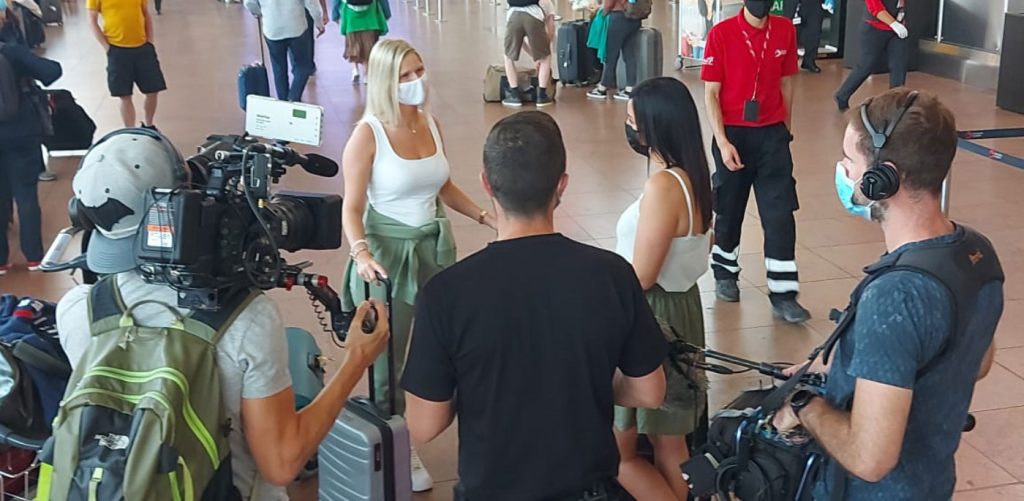 Breast enhancement and dental crowns in Istanbul: Marie and Océanie tell their story on RTL TVI
 -

-

-