Fixed bridge
Dental restoration
Smile
Chewing
Dental aesthetics
All-on-4 dental implants: the complete guide
Lost most of your teeth, or putting up with a denture that keeps slipping? All-on-4 rebuilds a full, fixed jaw with just 4 implants. Developed by Dr Paulo Malo, this proven technique gives you a fixed smile in a single operation, usually with no bone graft.
The All-on-4 in brief
Procedure duration
3 to 4 hours
Average lifespan
10+ years
Eat normally after
7 to 10 days

Medical validation

What exactly is All-on-4?
All-on-4 rebuilds a whole jaw on a simple but clever idea: 4 titanium implants are enough to carry a fixed bridge of 10 to 12 teeth across the full arch.
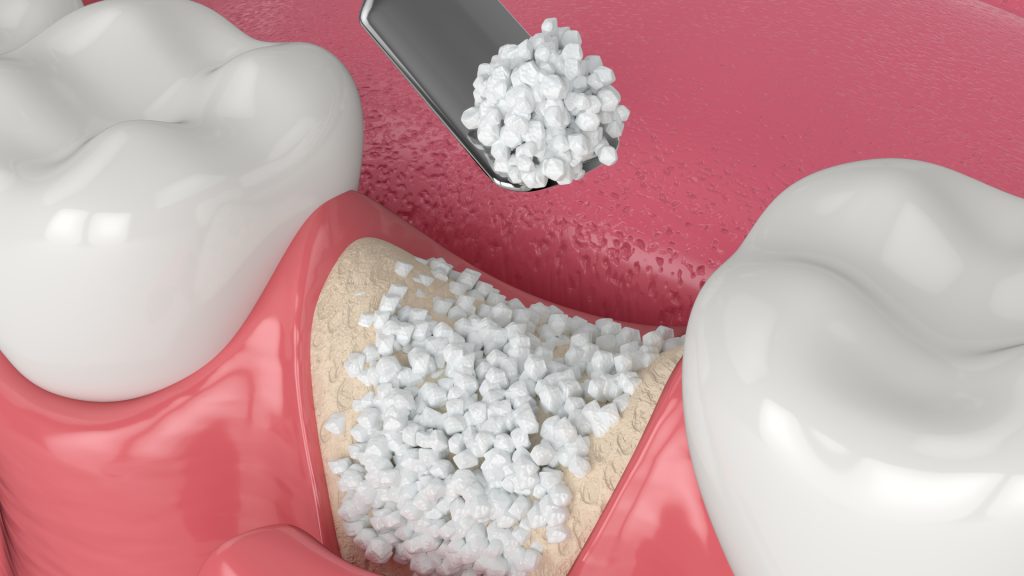
Older methods often need 6 to 8 implants, and sometimes a bone graft first. All-on-4 works differently, using smart geometry: two straight implants at the front and two tilted at 30 to 45 degrees at the back. That tilt reaches the naturally dense bone deeper in the jaw, which avoids a bone graft in the vast majority of cases.
We owe the approach to Dr Paulo Malo, a Portuguese dental surgeon who developed it in the 1990s. Since then it has been used worldwide, with solid long-term data: implant survival in the mandible is above 94.8% at 10 years (Malo et al., 2011).

Here is what makes All-on-4 different: you can walk out with a temporary bridge within 24 to 48 hours. This is called immediate loading, and it changes the whole experience. No more months spent waiting with an empty mouth.
At Body Expert we carry out this treatment at our partner clinic in Istanbul, with Straumann implants (a world reference) and Ivoclar zirconia, for a result that looks natural and lasts. Take a look at our All-on-4 in Turkey option: up to 70% savings compared with the UK, without cutting a single corner on quality. Our patients tell their own stories in our article of dental implant reviews.
Worth knowing: All-on-4 is mainly for people who have lost all their teeth, whose denture no longer holds, or whose remaining teeth cannot be saved. If you still have healthy teeth, other options such as single implants are probably a better fit. To go further, see also how many implants can be placed at once.
The All-on-4 treatment, step by step
The first consultation: assessing your needs
It all starts with a remote discussion of your needs and any X-rays you already have, in a free online consultation with an English-speaking coordinator. Once you are in Istanbul, a clinical exam, a panoramic X-ray and a 3D scan (called a CBCT) show exactly how much bone you have in each jaw, and its quality. Your dental surgeon then builds a treatment plan around you and talks you through every option.
Getting ready for surgery
A little preparation improves your odds. If you smoke, giving up is strongly advised: smoking raises the risk of implant failure. Your surgeon may also prescribe antibiotics as a precaution and have a custom surgical guide made, a kind of template that positions each implant to the millimetre.
The day itself: the operation
The operation is done under local anaesthetic, or under sedation if the surgeon advises it. The surgeon prepares the bone ridge, removes any remaining teeth if needed, then places the two front implants straight and the two back implants tilted at 30 to 45 degrees. Each implant is checked for stability (at least 35 Ncm, the tightening force that confirms a solid anchor). Allow 3 to 4 hours per jaw.
Your immediate temporary bridge
Within 24 to 48 hours your temporary bridge goes in, so you leave with a full smile the very next day. Painkillers and antiseptic mouthwash keep the first few days comfortable. Swelling usually settles within 5 to 7 days.
Follow-up and your final bridge
Check-ups are booked at 1 week, 1 month and 3 months. After 3 to 6 months of osseointegration (the time the bone needs to fuse firmly with the implants), your final zirconia bridge is made and fitted. After that, a maintenance visit every 6 months helps keep your implants going for the long term.
The cost of All-on-4: understanding your options
In the UK: a real investment
In the UK, All-on-4 is a big financial commitment, and for a lot of families it feels out of reach. The price turns on the surgeon’s experience, the materials used and the dental lab behind the work. And because each jaw needs its own bridge, the bill climbs quickly when both arches are treated.

What the NHS covers (and what it does not)
The NHS almost never funds dental implants. For the vast majority of people they count as private treatment, so the full cost falls to you. Private dental plans sometimes chip in towards implants, but the amount is usually modest and the gap adds up fast. For a closer look, read our article on how dental implants are funded.
The Body Expert option in Istanbul: the same materials, organised differently
At Body Expert, a complete All-on-4 treatment, Straumann implants and Ivoclar zirconia included, saves you up to 70% compared with the UK. Even once you factor in the flight, a stay in a 5-star hotel and 12 months of follow-up, you get the same standard of materials for a far lighter bill, with English-speaking support from your first message to the day you get home. You will find the full packages in the pricing section of this page.

Why is it cheaper in Turkey?
A lower price does not mean care on the cheap. The gap comes down to a lower cost of living, smaller overheads and a patient volume that keeps costs down. Body Expert’s partner clinics are selected for their facilities and their surgeons’ experience, including training at leading universities. To choose your destination well, read our guide to dental tourism, and see exactly how our dental care in Istanbul works.

Get your bright smile back with Body Expert
Our English-speaking advisers will put together your free, personalised All-on-4 quote within 24 hours.
Our prices and packages
Dental Implants
Offre et tarif : Dental Implants
Feel free to scroll through the different prices from right to left!
The All-on-4 implants: what is actually used
-
 The front implants: a solid base
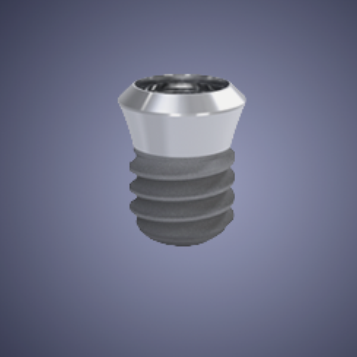
The front implants are the two posts placed straight at the front of the jaw. At 10 to 13 mm long and 3.3 to 4.8 mm wide, they form a stable base for the bridge. At Body Expert we use Straumann implants, a world reference in implantology. Their treated surface (known as SLActive) helps them fuse quickly and reliably with the bone.
-
 The back implants: the All-on-4 innovation
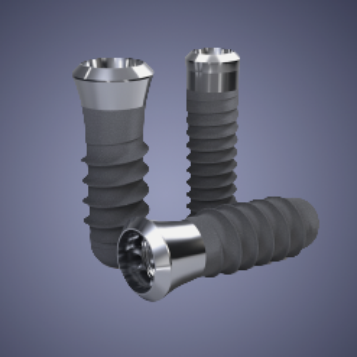
This is where the real trick lies. The back implants, longer (13 to 18 mm) and wider (4.1 to 4.8 mm), go in tilted at 30 to 45 degrees. That angle anchors them in the densest bone, which is how a bone graft is avoided in the vast majority of cases. It is exactly what makes All-on-4 possible for patients who do not have enough bone for standard implants.
-
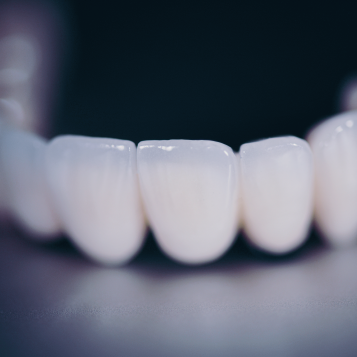 The bridge: your new smile
The All-on-4 bridge is a full arch of 10 to 12 teeth, screwed onto the implants. At Body Expert we choose Ivoclar zirconia, a biocompatible material that mimics the natural shine of enamel very well. Unlike metal-ceramic, zirconia leaves no grey line along the gumline. The result is a natural, bright smile; the bridge typically lasts 10 to 15 years.


After surgery: your recovery
Days 1 to 3: the first 72 hours
Mild swelling and a few bruises are completely normal. Stick to liquid or semi-liquid food (soups, purees, smoothies). Take your painkillers and antibiotics as prescribed. Hold something cold against your cheeks (15 minutes on, 15 minutes off) to bring the swelling down. And above all, rest.
Days 4 to 7: the turning point
The swelling eases day by day. You can move on to soft food (pasta, eggs, fish). Start brushing gently around the bridge with a surgical toothbrush. Give hard exercise a miss for now.
Weeks 2 to 4: getting back to normal
A gradual return to firmer food, still avoiding anything very hard (nuts, raw apples). Many people are back at work by the second week. Chewing stays gentle until the implants have fused with the bone.
Months 2 to 6: osseointegration
This is the quiet but decisive phase: your implants fuse with the bone. No pain, and you carry on with your temporary bridge, still avoiding very hard foods while the bone finishes fusing. X-ray checks confirm everything is settling in well.
Month 6 and beyond: your final bridge
Your final zirconia bridge is made to measure and fitted. This is when you see your finished smile: natural, sturdy, built to last. From then on, a maintenance visit every 6 months is the usual rhythm.
Before & After
Discover our patients’ results
All-On

Avant-après

Avant-après

Avant-après

Avant-après

Avant-après

Avant-après

Avant-après

Avant-après

Avant-après
Avant-après
Avant-après
Avant-après
Avant-après
Avant-après
Avant-après
Avant-après
Avant-après
Avant-après
Avant-après
Avant-après
Avant-après
Avant-après
Avant-après
Avant-après
Avant-après
Avant-après
Avant-après
Avant-après
Avant-après
Avant-après
Avant-après
Avant-après
Avant-après
Avant-après
Avant-après
Avant-après
Avant-après
Avant-après
Avant-après
Avant-après
Avant-après
Avant-après
Avant-après
Avant-après
Avant-après
Avant-après
Avant-après
Avant-après
Avant-après
Avant-après
Avant-après
Your new smile starts here
You get a free video call, a clear quote and English-speaking support from start to finish.
Our patients talk about us
-
 Ronnie's
 -
 Andrew's
 -
 Louisa's
 -
 Véronique's
 -
 Augustin's
 -
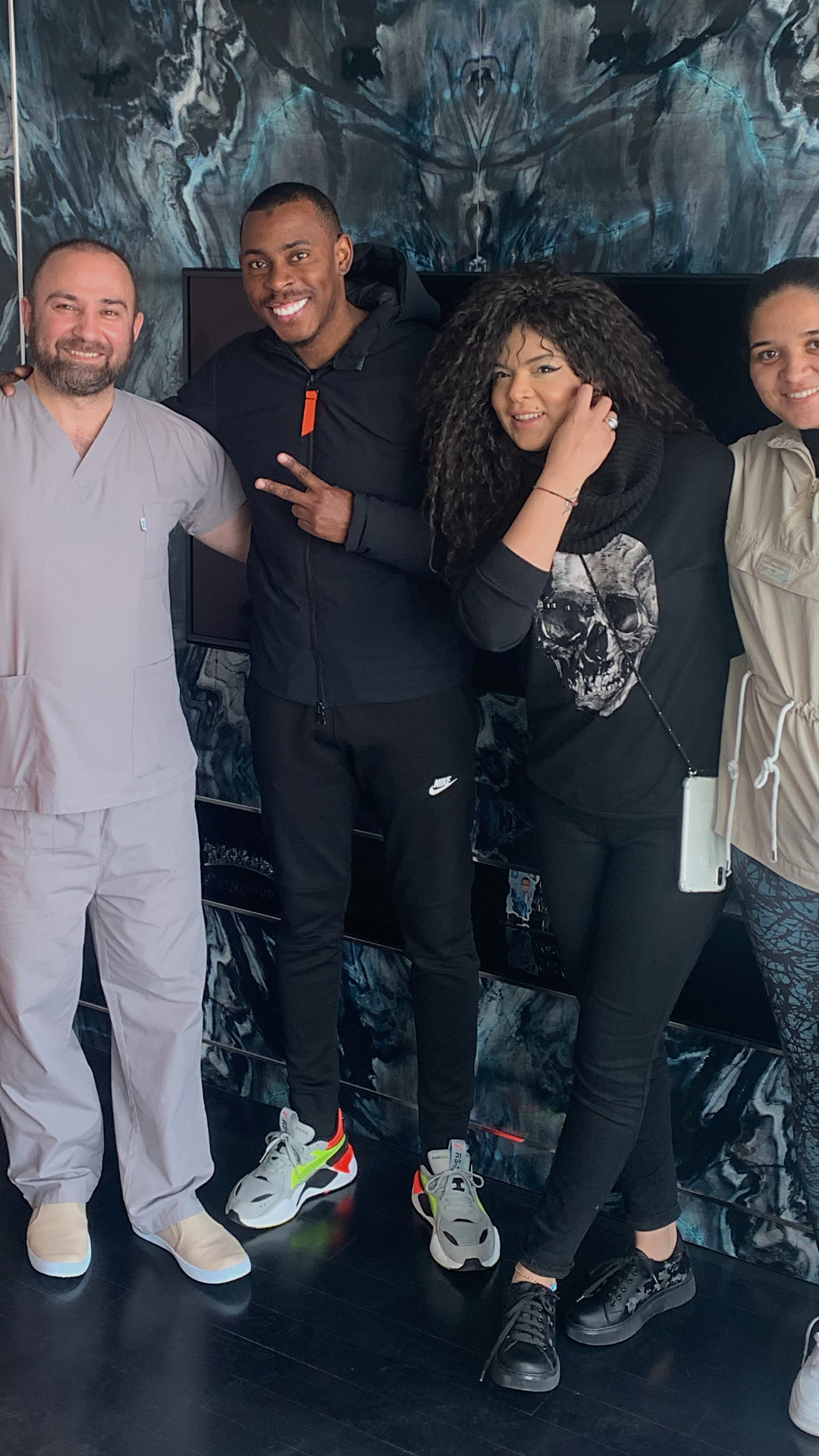 Naouiri's
 -
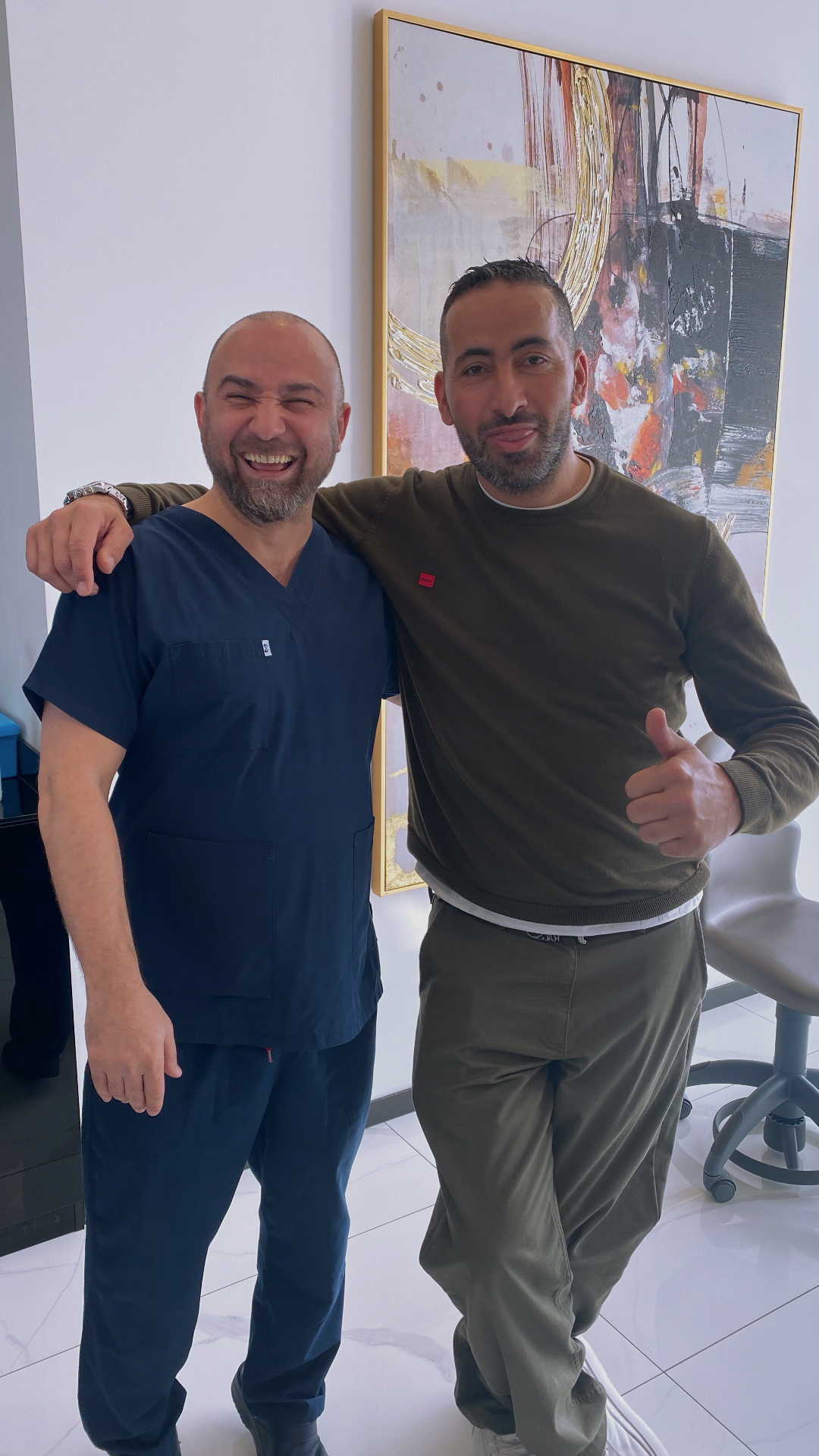 Faouzi's
 -
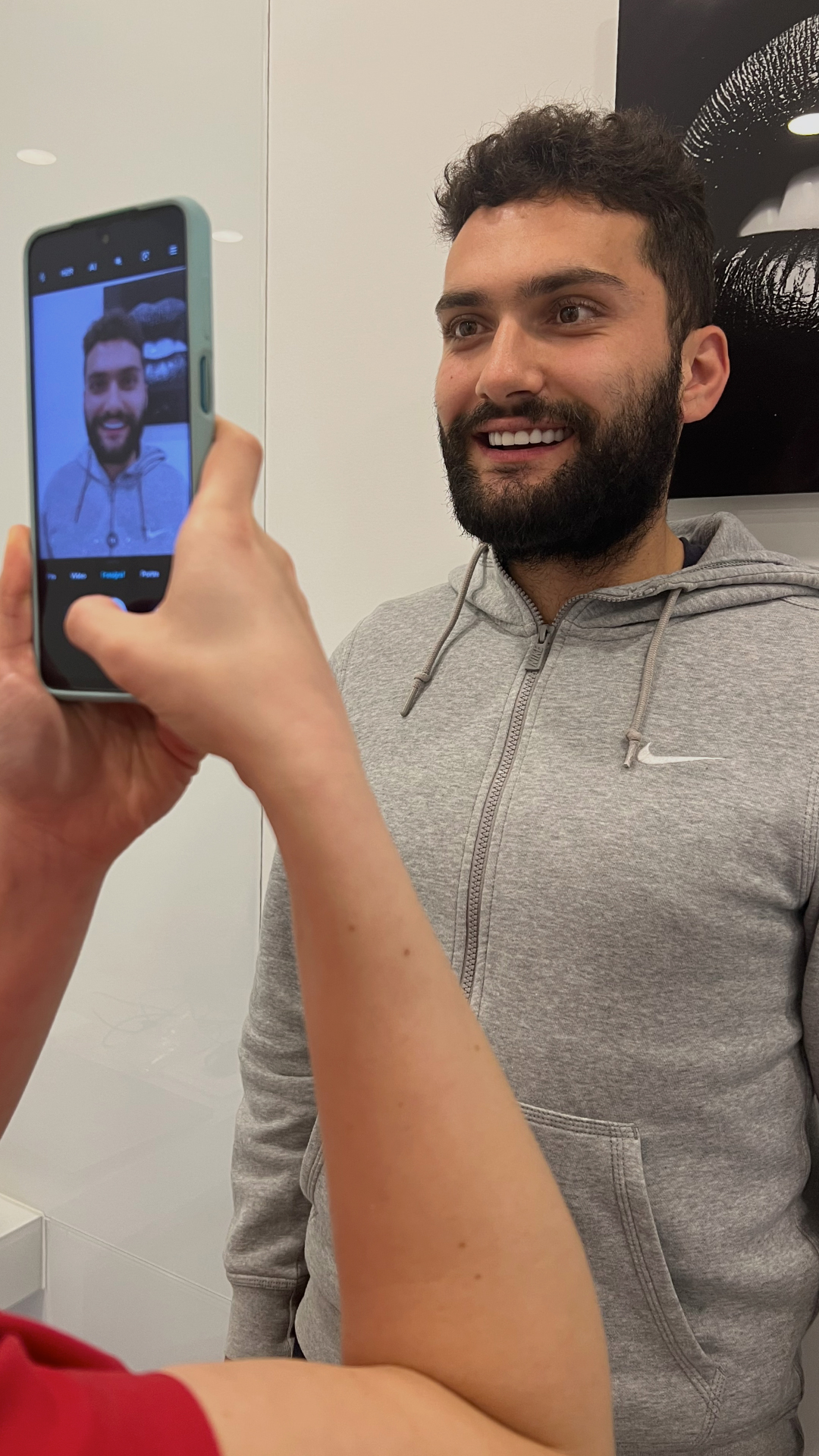 Antoine's
 -
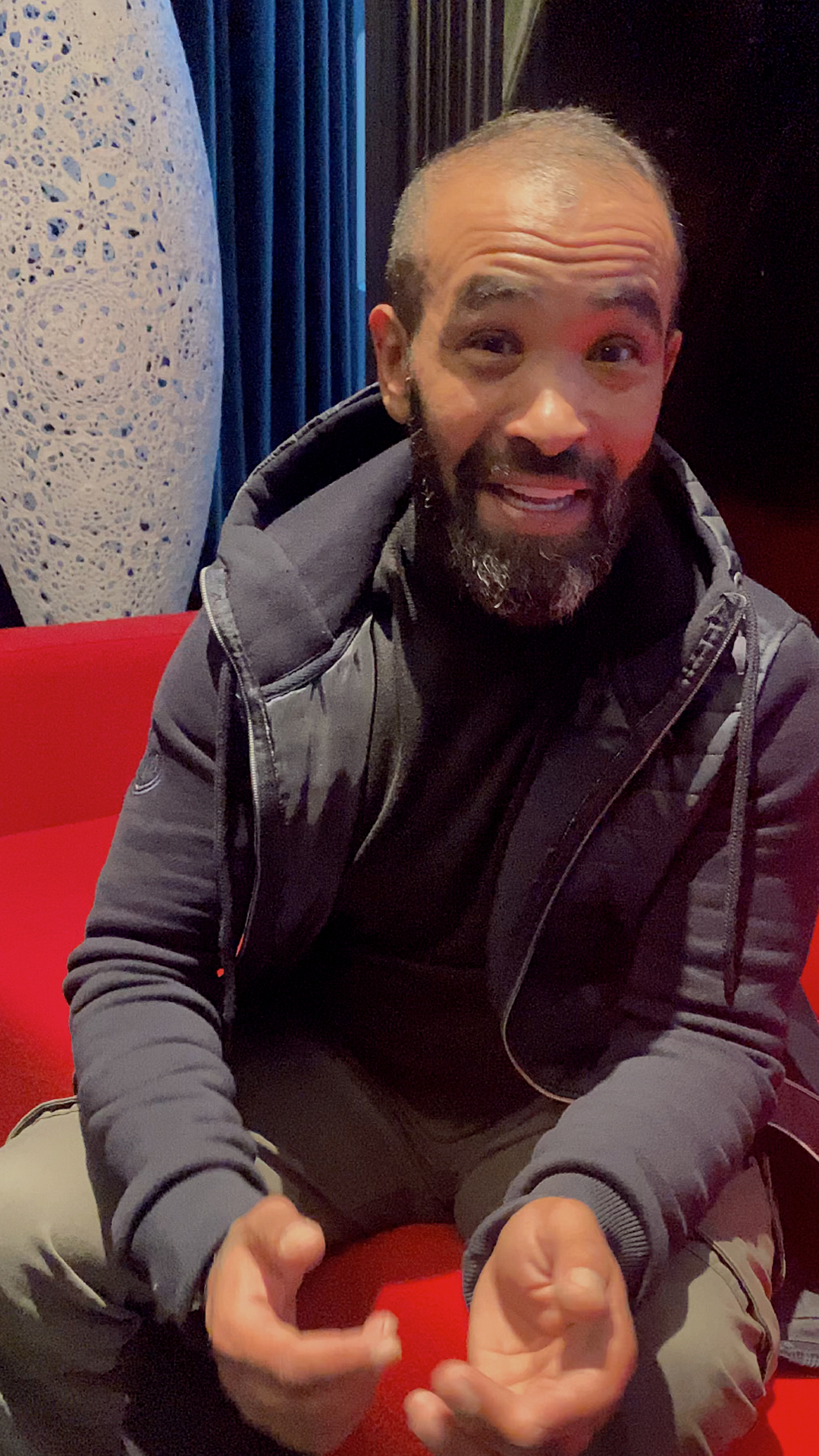 Abdel's
 -
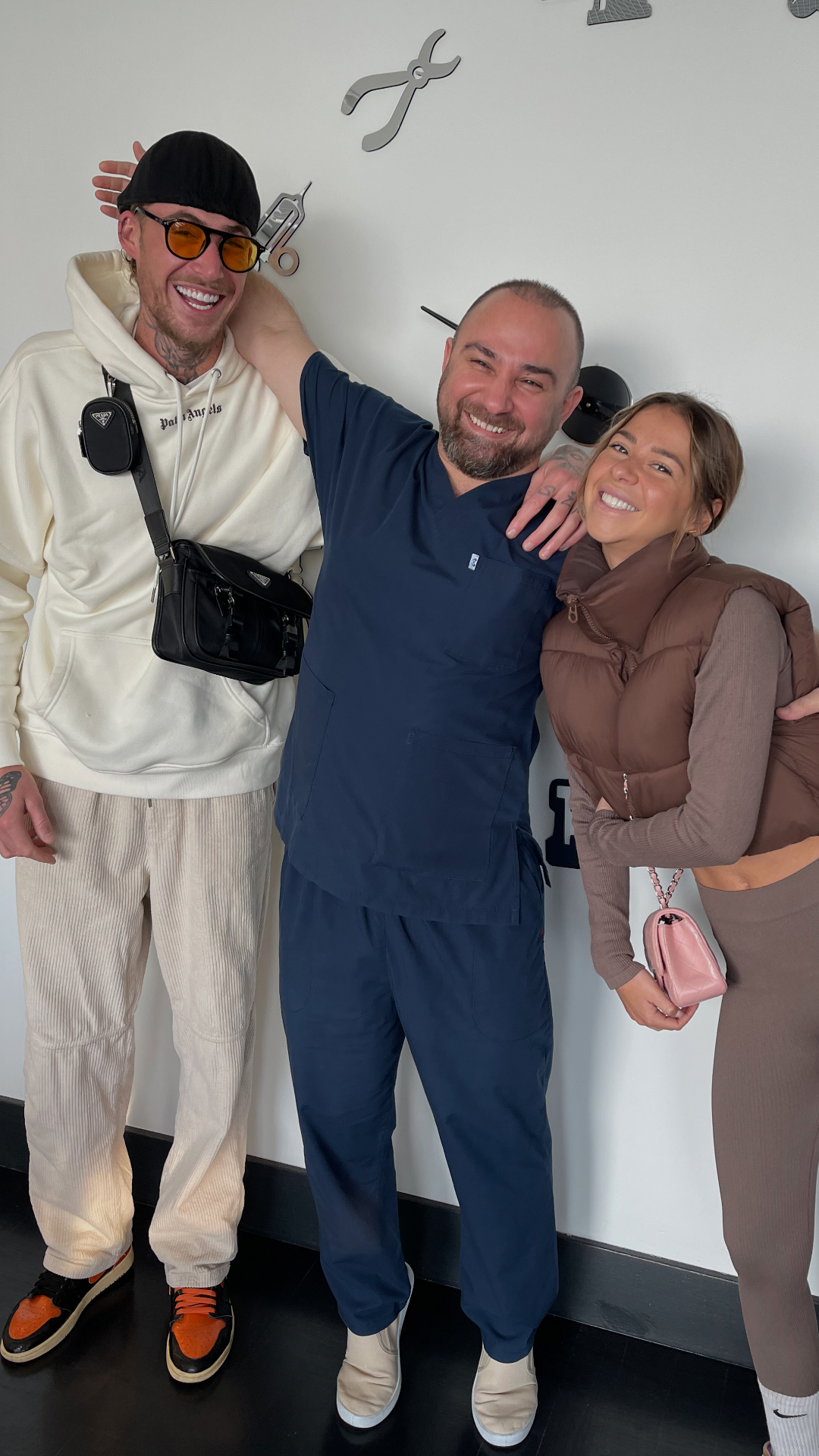 Léa's
Léa's -
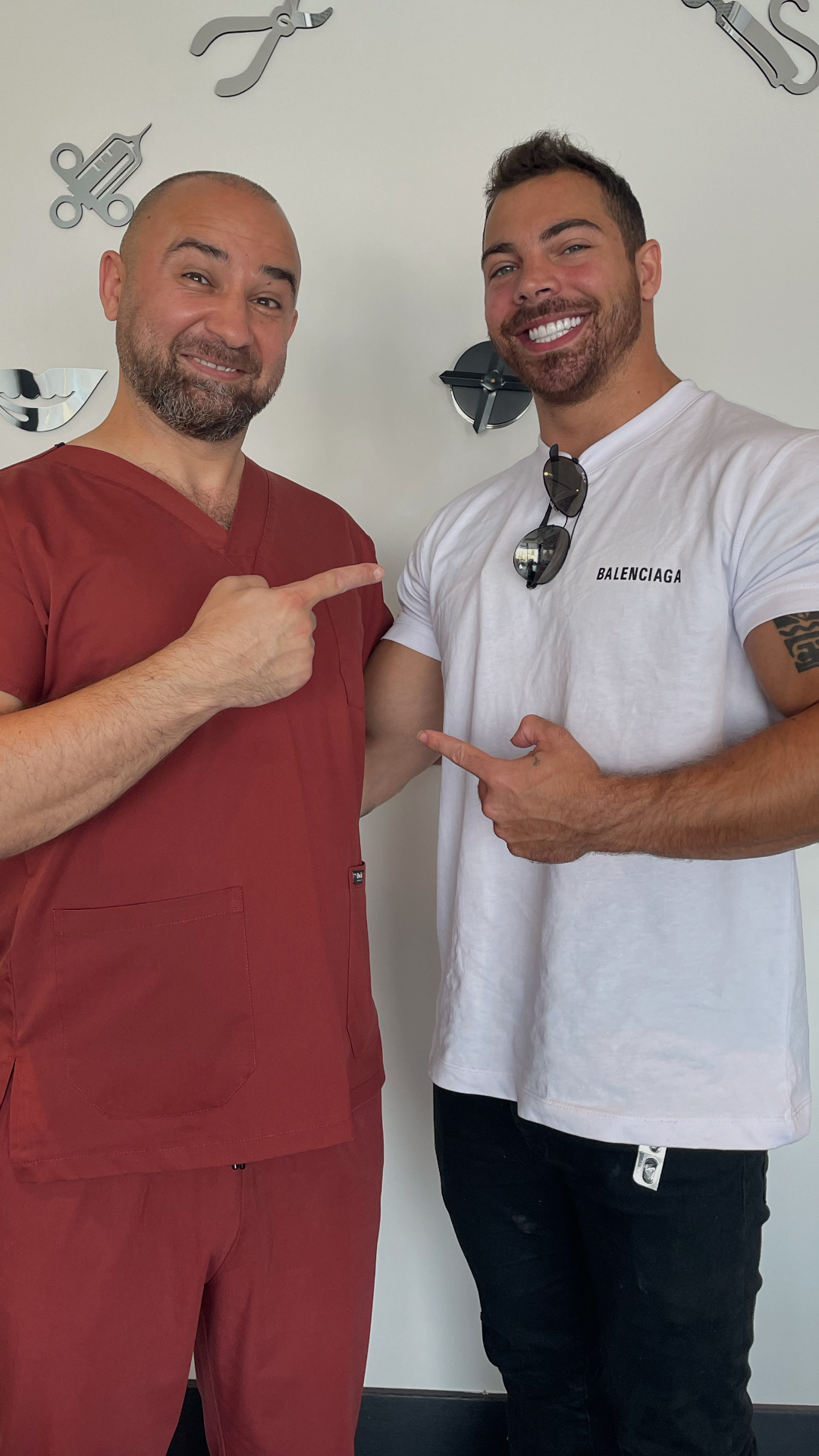 Alexandre's
 -
 Charlie's
 -
 Stella's
 -
 Tiphanie's
 -
 Miriam's
 -
 Sébastien's
 -
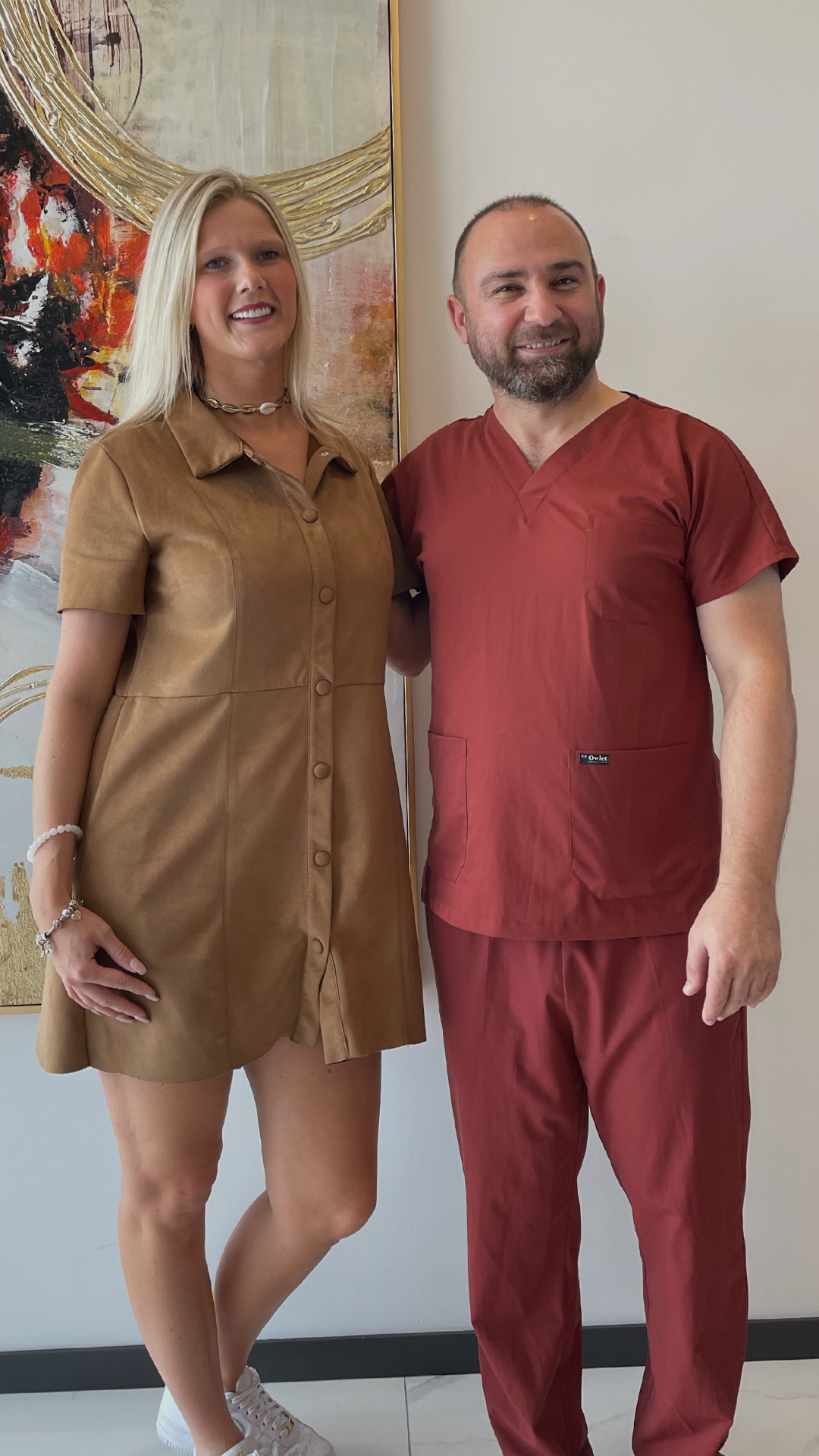 Marie's
 -
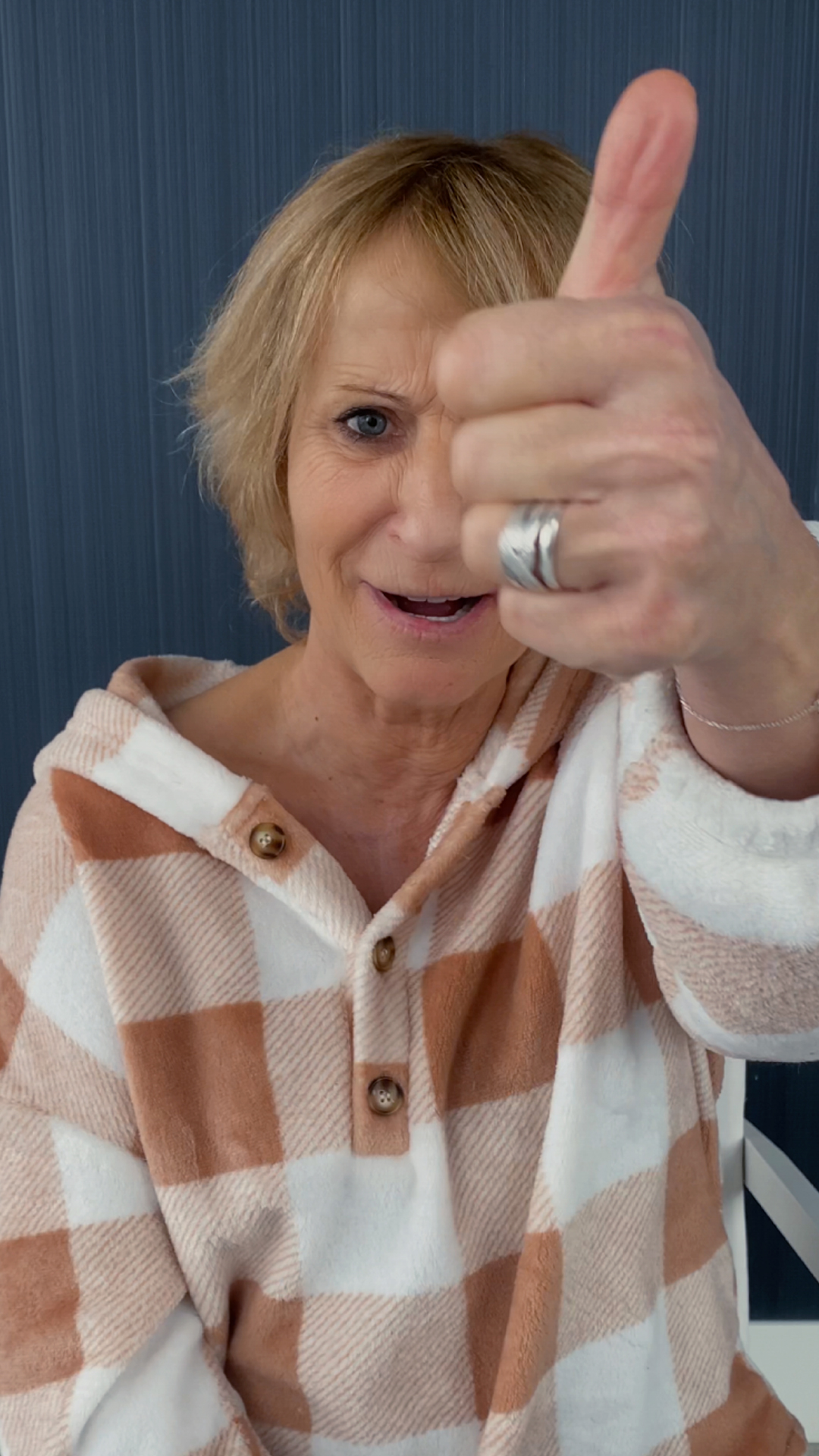 Nadia's
 -
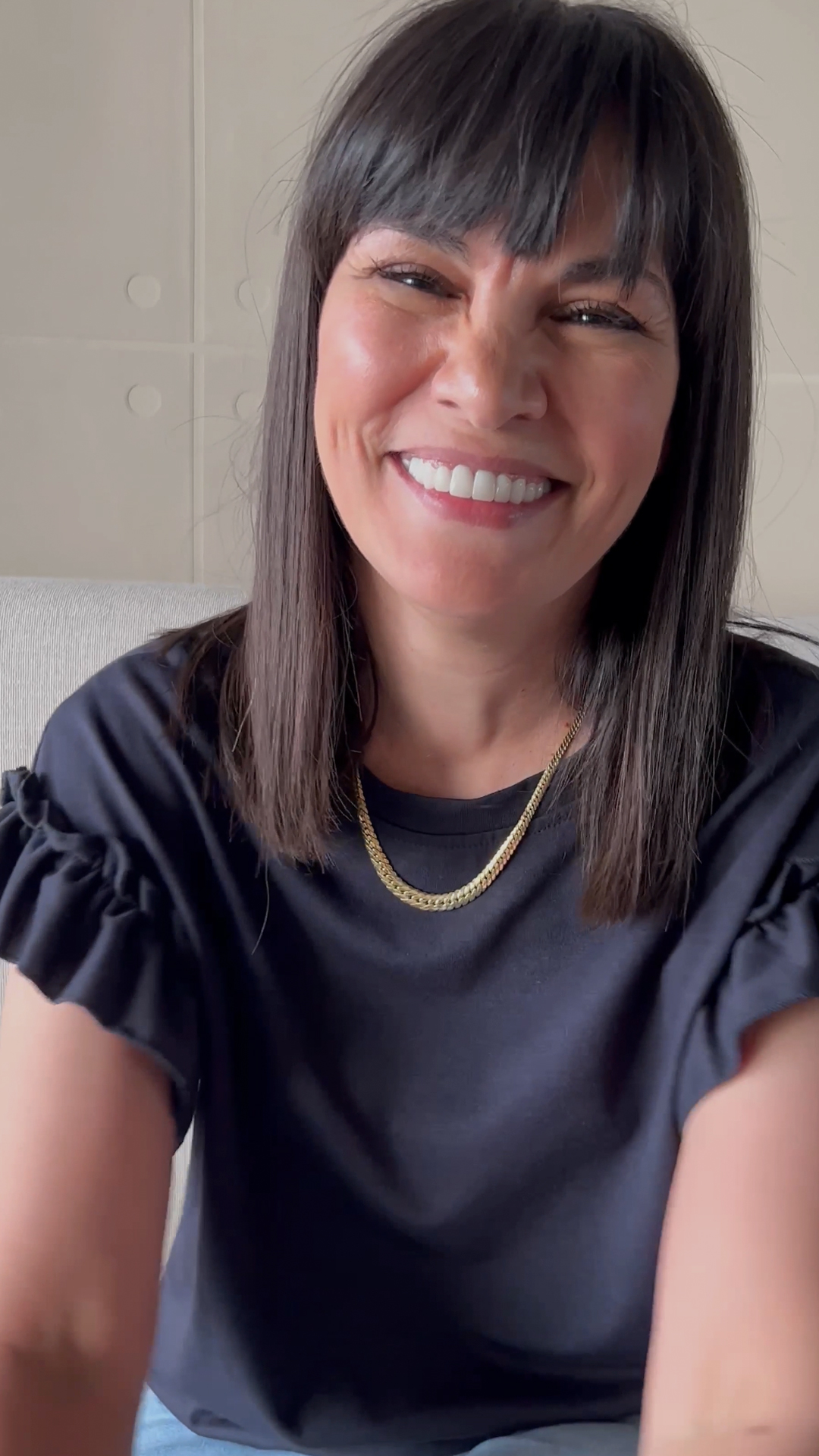 Samah's
 -
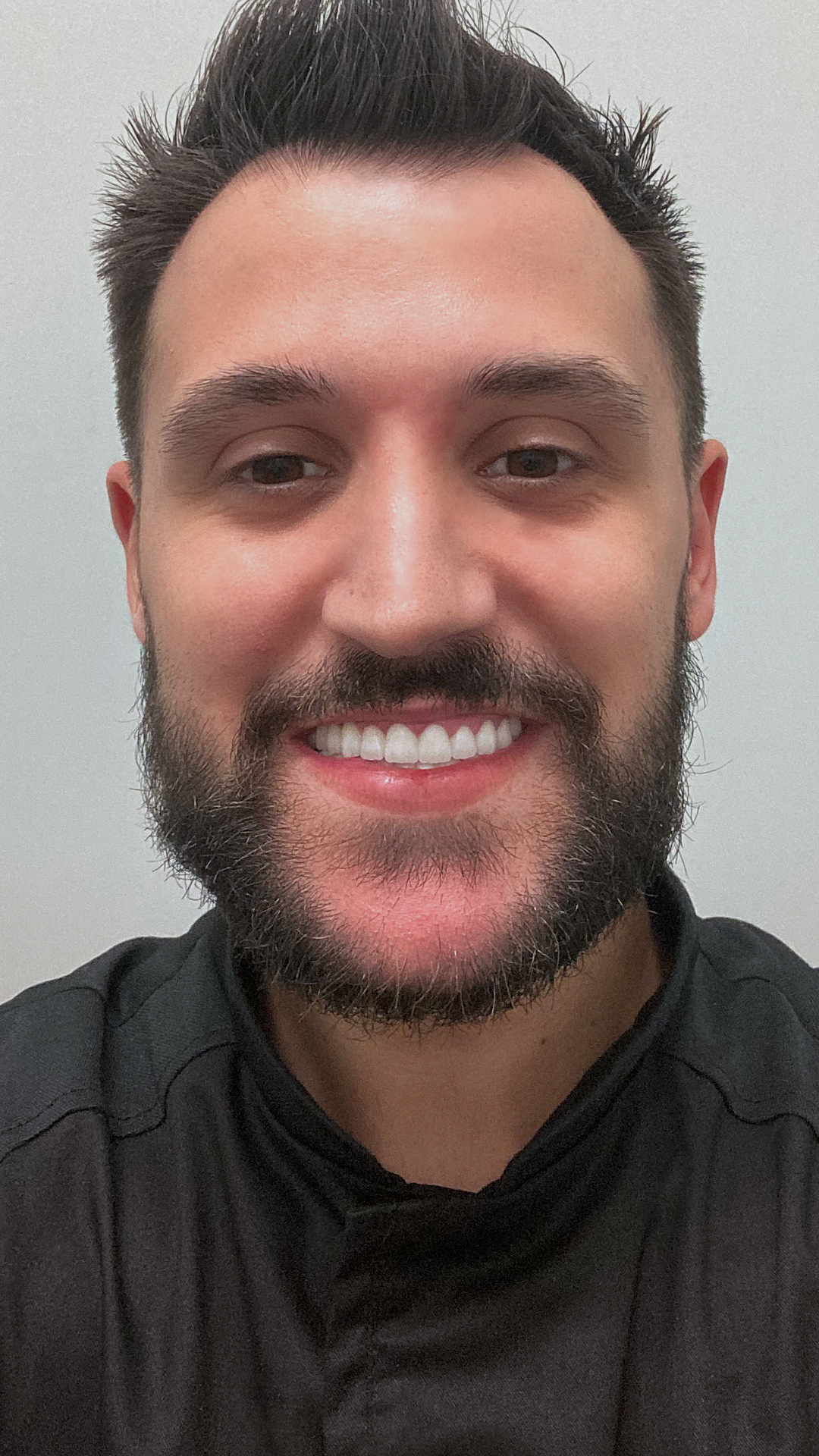 Laurent's
 -
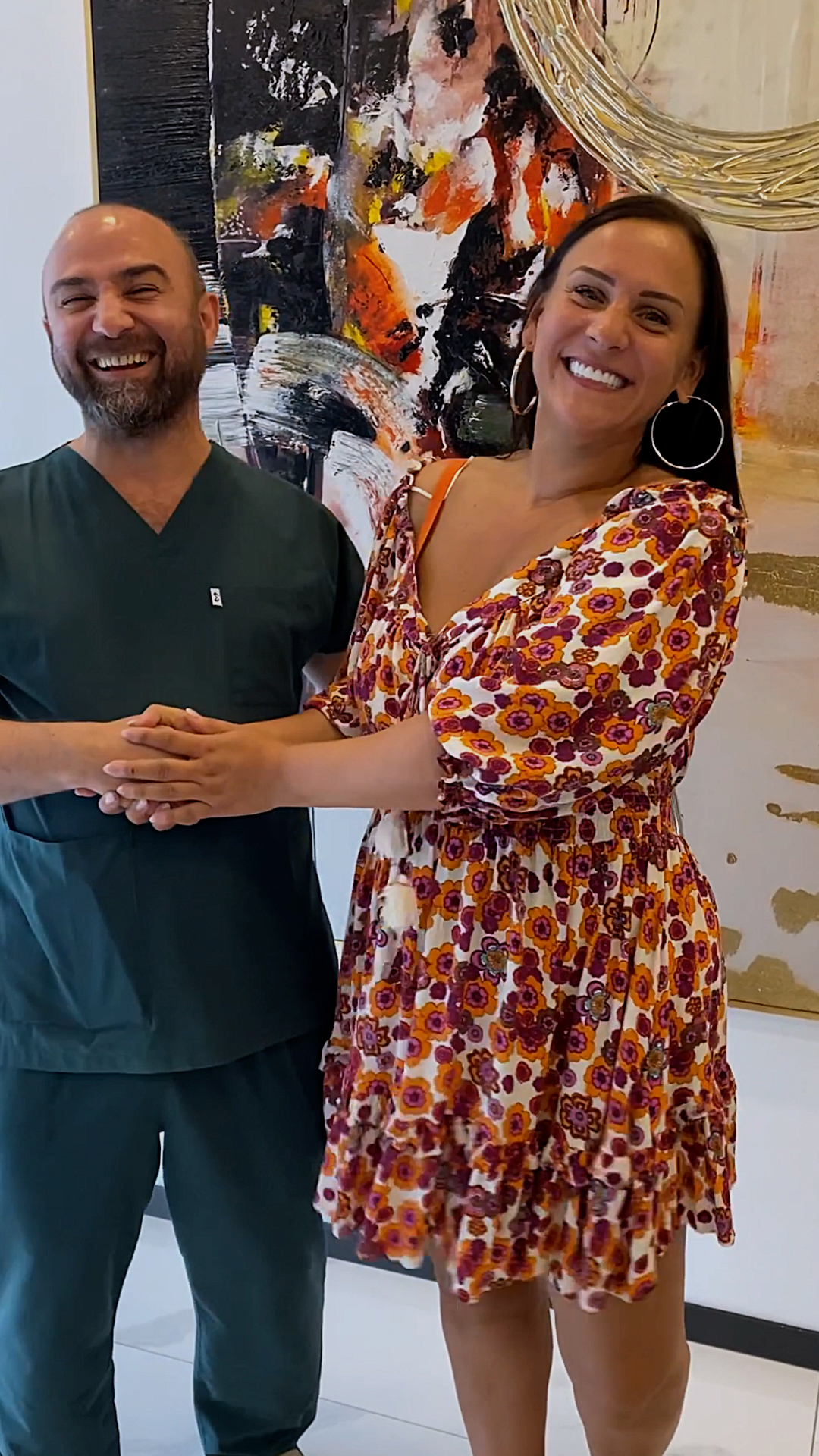 Laeticia's


Your questions about All-on-4
How long does an All-on-4 last?
Titanium implants can last for decades, as long as you keep up good hygiene and stick to your check-ups. The bridge itself lasts 10 to 15 years on average before it is replaced. With careful daily care (thorough brushing, interdental brushes, a water flosser), you stretch that even further. Clinical follow-ups confirm implant survival of 94.8% at 10 years in the mandible (Malo et al., 2011).
Is All-on-4 painful?
The operation is done under local anaesthetic or light sedation, so you feel nothing during it. Afterwards, mild discomfort is normal for 3 to 5 days (swelling, tenderness, a few bruises), well handled by the painkillers you are prescribed. Most of our patients find it far less painful than they had feared. By the second week, you are back to normal comfort.
Can All-on-4 be done on both jaws at once?
Technically yes, though many surgeons prefer to treat one jaw at a time for your comfort. At Body Expert, treating both jaws during the same trip to Istanbul is often possible, with a few days between the two operations, so you can head home with a full smile after a single visit.
Is All-on-4 cheaper than the older techniques?
Yes, clearly. All-on-4 needs only 4 implants instead of 6 to 8, and avoids a bone graft in most cases: fewer surgical steps, so a lighter bill even in the UK. In Istanbul, at Body Expert, the value is hard to beat, with Straumann implants and an Ivoclar zirconia bridge for up to 70% savings against UK prices. You will find the full packages in the pricing section of this page.
What are the main risks of All-on-4?
As with any implant surgery, risks exist but stay well controlled. The most common: peri-implantitis (inflammation of the tissue around the implant, reported in few patients after about two years of follow-up in Soto-Peñaloza et al., 2017), a cracked temporary bridge and, more rarely, the loss of an implant (around 5% at 10 years in the mandibular series by Malo et al., 2011). Spotless hygiene and regular check-ups cut these risks right down. At Body Expert, the surgeons at our partner clinic follow you with a clear protocol.
How do you look after an All-on-4 bridge day to day?
Care is simple, but it has to be daily. Brush the bridge morning and night with a soft toothbrush. Use interdental brushes to clean underneath, where an ordinary brush cannot reach. A water flosser (dental jet) does a lot to shift trapped bits. Finish with an antiseptic mouthwash, and keep a check-up every 6 months.
What is the difference between All-on-4 and All-on-6?
It comes down to the number of implants: 4 against 6. All-on-6 spreads the chewing load a little better and suits upper jaws, or patients with plenty of bone to work with. All-on-4 wins out when bone is more limited (it avoids the graft) and costs less. At Body Expert, your surgeon steers you towards the technique that best fits your anatomy.
How long is the trip to Turkey for an All-on-4?
Allow 5 to 7 days on average for an All-on-4 stay with Body Expert in Istanbul: consultation, surgery, fitting the temporary bridge and the first check-ups. A second trip of 3 to 4 days comes 3 to 6 months later, for the final bridge. And rest assured: Istanbul is under 4 hours’ flight from London, barely more than a hop to a Mediterranean beach.
Let’s discuss your project

All-on-4 in detail: results, benefits and alternatives
Who is All-on-4 for?
All-on-4 is a strong fit if you recognise yourself in one of these situations: no teeth left in the jaw, remaining teeth beyond saving because of deep decay or advanced gum disease, a removable denture that has turned wobbly, or moderate bone loss that makes standard implants tricky without a graft.
On the other hand, it is set aside when a general health condition is not under control (poorly managed diabetes, an active autoimmune disease), with untreated severe bruxism (heavy teeth grinding), or when there simply is not enough bone even for tilted implants. In that last case, zygomatic implants take over (more on that below). And if you have gum disease, it needs treating before any implants go in.

The day-to-day benefits
All-on-4 genuinely changes everyday life:
- No bone graft in the vast majority of cases: fewer procedures, less pain, less waiting.
- Immediate loading: you leave with teeth within 24 to 48 hours.
- A shorter treatment: 3 to 6 months to the final smile, against 12 to 18 months with older methods.
- Fewer implants: 4 posts instead of 6 to 8, which keeps the budget in check.
- Proven reliability: more than 94.8% implant survival at 10 years in the mandible (Malo et al., 2011).
- Comfort again: no more slipping denture, no more adhesive, no more awkward moments in company.
The things to watch
Like any surgery, All-on-4 has its risks, and it is better to know them. Peri-implantitis (an infection of the tissue around the implant) is reported in few patients after about two years of follow-up. Prosthetic issues (a cracked temporary bridge, a screw working loose) are more common: in two of the studies reviewed, a prosthetic part came away in 23.2% of patients, though these problems are usually straightforward to repair (Soto-Peñaloza et al., 2017). Losing an implant stays rare (around 5% at 10 years). Your best defence? Proper hygiene: interdental brushes, a water flosser and regular check-ups.

The long-term results
The science is fairly reassuring. The landmark mandibular study by Malo et al. (2011), following 245 patients, reports implant survival of 98.1% at 5 years and 94.8% at 10 years, with the bridge still in place in 99.2% of cases. For the upper jaw, the controlled trial by Tallarico et al. (2016) confirms excellent results with just 4 implants (close to 99% survival at 5 years) and bone loss around the implant held to about 1.7 mm, on a par with standard techniques. Put simply: looked after well, your All-on-4 holds up over time: the implants can last for decades, and the bridge typically 10 to 15 years.
The alternatives to All-on-4
If All-on-4 is not the right call for you, there are other routes:
- All-on-6: 6 implants instead of 4, to spread the load better. Worth it if you have enough bone.
- Zygomatic implants: anchored in the cheekbone, this is the answer for severe shrinkage of the upper jaw.
- A bone graft then standard implants: longer, but sometimes unavoidable.
- A removable denture on implants: 2 to 4 implants hold a clip-on denture, cheaper but less comfortable.

In summary
All-on-4 means a full, fixed jaw carried by just 4 implants, with one real advantage: immediate loading, which hands you back a smile within 24 to 48 hours. This full-mouth rehabilitation avoids a bone graft in most cases, shortens treatment to 3 to 6 months and comes with solid long-term data, close to 95% implant survival at 10 years in the mandible. It is now one of the most dependable answers to losing all your teeth, or to a denture that no longer holds.
Then there is the question of budget. In the UK, a complete fixed bridge on implants is a very heavy investment, and often a hard one to shoulder. In Istanbul, Body Expert offers the same standard of materials, Straumann implants and Ivoclar zirconia, with up to 70% savings and English-speaking support from start to finish: video consultation, help with the trip, and follow-up after surgery. You will find the full packages in the pricing section of this page. You keep the quality and lighten the bill.
The smart move before you commit: a personalised assessment. Every mouth is different, and only an exam (X-ray, scan) will say whether All-on-4 is right for you or whether another technique suits you better. The dental surgeons at our partner clinics point you towards the option that fits your case, not the priciest one. Want to get a clear picture? Ask for your free quote within 24 hours, with no strings attached.
Sources
- Maló, P., de Araújo Nobre, M., Lopes, A., Moss, S. M., & Molina, G. J. (2011). A longitudinal study of the survival of All-on-4 implants in the mandible with up to 10 years of follow-up. The Journal of the American Dental Association, 142(3), 310-320. https://pubmed.ncbi.nlm.nih.gov/21357865/
- Tallarico, M., Meloni, S. M., Canullo, L., Caneva, M., & Polizzi, G. (2016). Five-year results of a randomized controlled trial comparing patients rehabilitated with immediately loaded maxillary cross-arch fixed dental prosthesis supported by four or six implants placed using guided surgery. Clinical Implant Dentistry and Related Research, 18(5), 965-972. https://pubmed.ncbi.nlm.nih.gov/26446912/
- Soto-Peñaloza, D., Zaragozí-Alonso, R., Peñarrocha-Diago, M., & Peñarrocha-Diago, M. (2017). The all-on-four treatment concept: Systematic review. Journal of Clinical and Experimental Dentistry, 9(3), e474-e488. https://pubmed.ncbi.nlm.nih.gov/28298995/