Smile
Restoration
Prosthetics
Aesthetics
Zirconia
Dental crowns
Restore damaged or weakened teeth for the long term with dental crowns. Our dentists in Istanbul work with premium materials, Ivoclar zirconia in particular, for a natural look that lasts 15 to 20 years.
Dental crowns at a glance
Procedure duration
2h / crown
Average lifespan
15 à 20 years
Eat normally after
after 3 days

Medical validation

What is a dental crown?
A tooth weakened by deep decay, a fracture or root-canal treatment can’t always be saved with a simple filling. That’s where the dental crown comes in: a fixed prosthesis that covers the whole damaged tooth and gives back its shape, strength and original look. People often describe it as a bespoke cap that fits over the prepared tooth.
Made in a laboratory from digital impressions, it’s matched to your teeth down to the millimetre. Today’s materials, zirconia and ceramic chief among them, give a result you can’t tell apart from a real tooth, right down to the way enamel catches the light.
At Body Expert, our dentists in Istanbul work with CAD/CAM (computer-aided design and manufacturing) to build crowns accurate to the micron. That know-how, paired with premium materials like Ivoclar zirconia, restores your smile in the best possible conditions. Torn between a crown and a veneer? Our guide to dental veneers helps you weigh it up.

Restore your smile with Body Expert
Our dentists in Istanbul are with you every step of the way: get a free personalised quote within 24 hours.
OUR PRICES AND PACKAGES
Dental Crowns
Offre et tarif : Dental Crowns
Feel free to scroll through the different prices from right to left!
The different types of crown
-
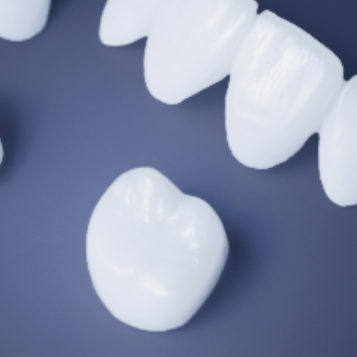 Zirconia crowns
Milled from stabilised zirconium oxide, high-strength grades exceed 1000 MPa. They are metal-free and biocompatible, and they suit every part of the mouth. At Body Expert, Ivoclar zirconia is one of the premium materials we use.
-
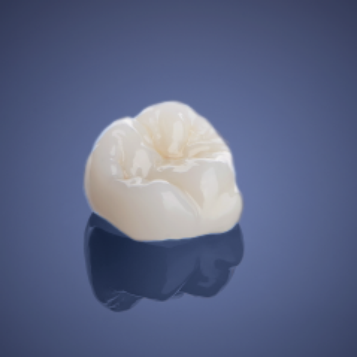 Ceramic crowns
Made entirely from feldspathic ceramic or lithium disilicate (E-max), they offer a translucency close to natural enamel. Ideal for the teeth on show when you smile, they pick up the subtle shade variations of your own teeth.
-
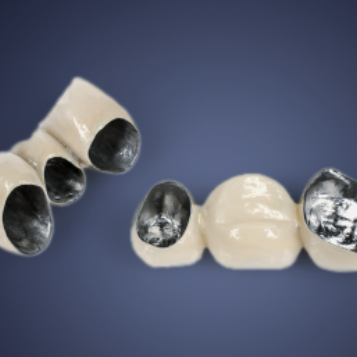 Metal-ceramic crowns
A metal framework covered in ceramic, a sensible compromise between strength and budget. Less natural-looking than all-ceramic, they still work well for the back teeth, which take the brunt of chewing.


Understanding dental crowns: what they are and when you need one
The dental crown is one of the most widely fitted fixed prostheses in restorative dentistry. The idea fits in a sentence: cap a tooth that’s too damaged to be simply filled. Deep decay, a fracture, heavy wear, a root-treated tooth that’s turned brittle… the situations are many. Where an inlay or onlay restores only part of a tooth, the crown covers the whole visible portion and gives back its strength.
When is a crown the answer? Mostly to rebuild a badly broken-down tooth, to protect a root-treated tooth after root-canal work, to correct a significant aesthetic flaw, or to cap a dental implant that stands in for a missing tooth. When a whole smile needs reworking, crowns are sometimes paired with dental veneers for an even, tooth-to-tooth finish.

Zirconia, ceramic or metal-ceramic: which material should you choose?
The material weighs heavily on both the lifespan and the final look of your crown. Zirconia (yttrium-stabilised zirconium oxide) has become the benchmark for modern prosthetics. High-strength 3Y-TZP grades top 1000 MPa; ultra-translucent 5Y-TZP sits closer to 500 to 800 MPa, still ample for a single crown, and closes much of the aesthetic gap that once separated zirconia from ceramic.
Feldspathic ceramic and lithium disilicate (E-max) remain the champions of translucency. They mimic the opalescence of enamel with striking finesse, which makes them invaluable on the front teeth, where the eye lands first.
Last comes the metal-ceramic crown: a porcelain-covered alloy framework, and easier on the budget. Its weak spot is well known, a thin grey line can appear at the gum margin after a few years, something you won’t see on all-ceramic or zirconia crowns.
| Material | Strength | Aesthetics | Biocompatibility | Lifespan |
| Zirconia | Excellent | Very good | High | 15 to 20 years |
| E-max ceramic | Good | Superior | High | 10 to 15 years |
| Metal-ceramic | Very good | Fair | Variable | 10 to 15 years |

CAD/CAM technology, built for precision
Computer-aided design and manufacturing (CAD/CAM) has changed the game. It all starts with a 3D scan of your mouth, which replaces the silicone impressions people often find unpleasant. From that digital model, the technician designs the crown to the micron, then mills it from a block of zirconia or ceramic on a computer-controlled machine.
The time saved is real. Where the classic method often needs 10 to 14 days, CAD/CAM turns out a permanent crown in 2 to 5 days depending on the case. At Body Expert, the laboratory at our partner clinic in Istanbul shortens those timings further and allows quality checks at every stage, all under one roof.

Crown on an implant: replacing a tooth from root to tip
When a tooth is missing altogether, the implant-and-crown pairing comes closest to a natural tooth. The titanium implant, screwed into the jawbone, plays the part of the root. After an osseointegration phase of 3 to 6 months, the time it takes the bone to fuse with the implant, the bespoke crown is fixed onto it, either screwed or cemented.
The benefit goes beyond simple comfort: this approach preserves the jawbone, where a removable denture tends to wear it away over time. For several teeth to replace, the All-on-4 and All-on-6 protocols rebuild a full arch with fewer implants.

What the clinical data shows
The research points the same way: modern crowns go the distance. For single crowns fitted on implants, a systematic review in Clinical Oral Implants Research reports a five-year survival rate of 97.6% for zirconia and 98.3% for metal-ceramic, with an almost identical rate of veneering-porcelain chipping between the two (Pjetursson et al., 2018). So you gain in aesthetics with zirconia without giving anything up on reliability.
On natural teeth, the findings line up. A prospective study run at the Complutense University of Madrid shows 100% survival at three years for monolithic zirconia crowns fitted on molars and premolars (Gseibat et al., 2024). At five years, another cohort on natural back teeth reports 95% survival (Barile et al., 2023).
And over the long haul? A series followed for more than ten years shows that layered zirconia crowns stay in the mouth in 92.9% of cases, though at the cost of more chipping in the covering porcelain (Prause et al., 2023). That’s exactly what explains the rise of monolithic crowns, milled from a single block: with no cosmetic layer added on top, there’s next to nothing left to chip.

Dental crowns in Turkey: quality with the budget in check
Dental tourism to Turkey keeps growing, driven by modern clinics and real expertise. Istanbul is home to some of the most advanced facilities around, with dentists often trained at leading European universities.
At Body Expert, everything is taken care of: consultation, X-rays, making and fitting the crowns, aftercare, and English-speaking support from your first message through to your return home. Our dental crowns in Turkey give you access to premium materials with up to 70% savings compared with the UK, without cutting corners on quality. You’ll find the figures set out in our price list, a little further up this page.

In summary
The dental crown remains the go-to answer for saving a tooth too damaged for a simple filling: it covers the tooth completely, gives back its shape and strength, and blends into your smile. The choice of material shapes the outcome. Zirconia, very strong and now far better-looking than it used to be, covers almost every situation; E-max ceramic shines on the visible teeth; metal-ceramic keeps its place on the back teeth. Monolithic crowns, made from a single block, cut the risk of chipping markedly against layered versions.
On reliability, the numbers reassure: 95% or higher survival at three to five years, on natural teeth as much as on implants, and still over 90% at ten years. With good hygiene and a check-up every six months, a zirconia crown stays with your smile for 15 to 20 years, sometimes longer. Fitted on an implant, it replaces a tooth from root to surface while protecting the jawbone.
That leaves the budget. By choosing Istanbul with Body Expert, you bring together premium materials, experienced dentists and up to 70% savings, with English-speaking support from start to finish. Want a clear read on your own situation? Ask for your free, personalised, no-obligation quote: our team gets back to you within 24 hours.
Sources and references
- Pjetursson, B. E., Valente, N. A., Strasding, M., Zwahlen, M., Liu, S., & Sailer, I. (2018). A systematic review of the survival and complication rates of zirconia-ceramic and metal-ceramic single crowns. Clinical Oral Implants Research, 29(Suppl 16), 199-214. https://doi.org/10.1111/clr.13306
- Gseibat, M., Sevilla, P., Lopez-Suarez, C., Rodriguez, V., Pelaez, J., & Suarez, M. J. (2024). Performance of posterior third-generation monolithic zirconia crowns in a complete digital workflow: A three-year prospective clinical study. Journal of Dental Sciences, 19(2), 871-877. https://doi.org/10.1016/j.jds.2023.08.018
- Barile, G., Capodiferro, S., Muci, G., Carnevale, A., Albanese, G., Rapone, B., & Corsalini, M. (2023). Clinical outcomes of monolithic zirconia crowns on posterior natural abutments: A prospective study with a 5-year follow-up. International Journal of Environmental Research and Public Health, 20(4), 2943. https://doi.org/10.3390/ijerph20042943
- Prause, E., Hey, J., Sterzenbach, G., Beuer, F., & Adali, U. (2023). Survival and success of veneered zirconia crowns with a modified anatomical framework design after 10 years in function. International Journal of Computerized Dentistry, 26(3), 247-255. https://doi.org/10.3290/j.ijcd.b3796761
Before & After
Discover our patients’ results
Dental Crowns

Avant-après

Avant-après

Avant-après

Avant-après

Avant-après

Avant-après

Avant-après

Avant-après

Avant-après
Avant-après

Avant-après

Avant-après
Avant-après

Avant-après

Avant-après
Avant-après

Avant-après

Avant-après
Avant-après

Avant-après

Avant-après
Avant-après

Avant-après

Avant-après
Avant-après

Avant-après

Avant-après
Avant-après

Avant-après

Avant-après
Avant-après

Avant-après
Avant-après

Avant-après

Avant-après
Avant-après

Avant-après
Avant-après
Avant-après

Avant-après
Avant-après
Avant-après
Avant-après

Avant-après
Avant-après
Avant-après
Avant-après
Avant-après
Avant-après
Avant-après
Avant-après
Avant-après
Avant-après
Avant-après
Avant-après
Avant-après
Avant-après
Avant-après
Avant-après
Avant-après
Avant-après
Avant-après
Avant-après
Avant-après
Avant-après
Avant-après
Avant-après
Avant-après
Avant-après
Avant-après

Avant-après
Avant-après
Avant-après
Avant-après

Avant-après
Avant-après
Avant-après
Avant-après

Avant-après
Avant-après
Avant-après
Avant-après

Avant-après
Avant-après
Avant-après
Avant-après

Avant-après
Avant-après
Avant-après

Avant-après
Avant-après
Avant-après
Avant-après
Avant-après
Avant-après
Avant-après
Avant-après
Avant-après
Avant-après
Avant-après
Avant-après
Avant-après
Avant-après
Avant-après
Avant-après
Avant-après
Avant-après
Avant-après
Avant-après
Avant-après
Avant-après
Avant-après
Avant-après
Avant-après
Avant-après
Avant-après
Avant-après
Avant-après
Avant-après
Avant-après
Get your free, personalised quote
Our team calls you back within 24 hours to look at your dental project and suggest the option that fits you best.
Our patients talk about us
-
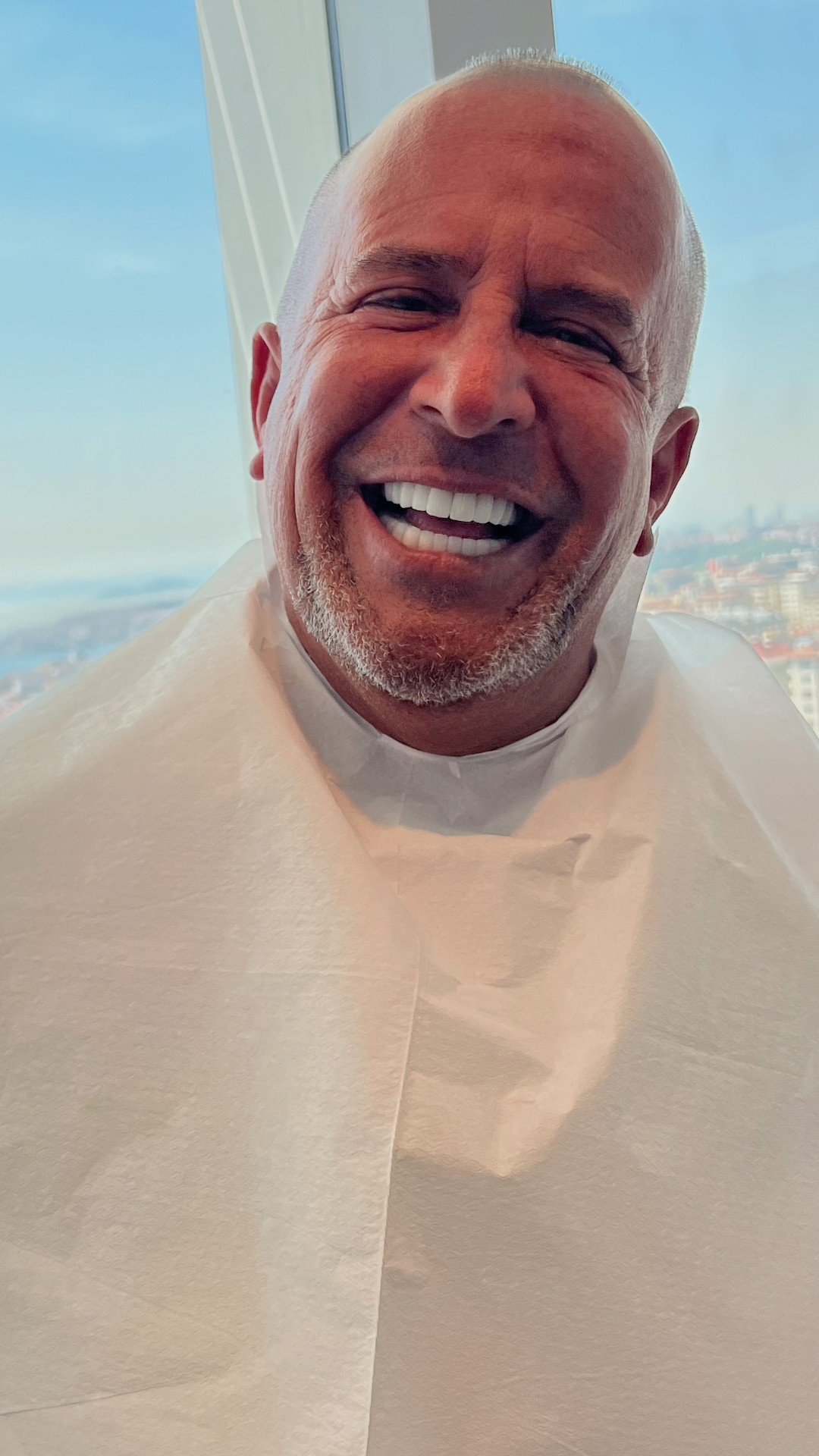 Ronnie's
 -
 Andrew's
 -
 Louisa's
 -
 Véronique's
 -
 Léa's
Léa's -
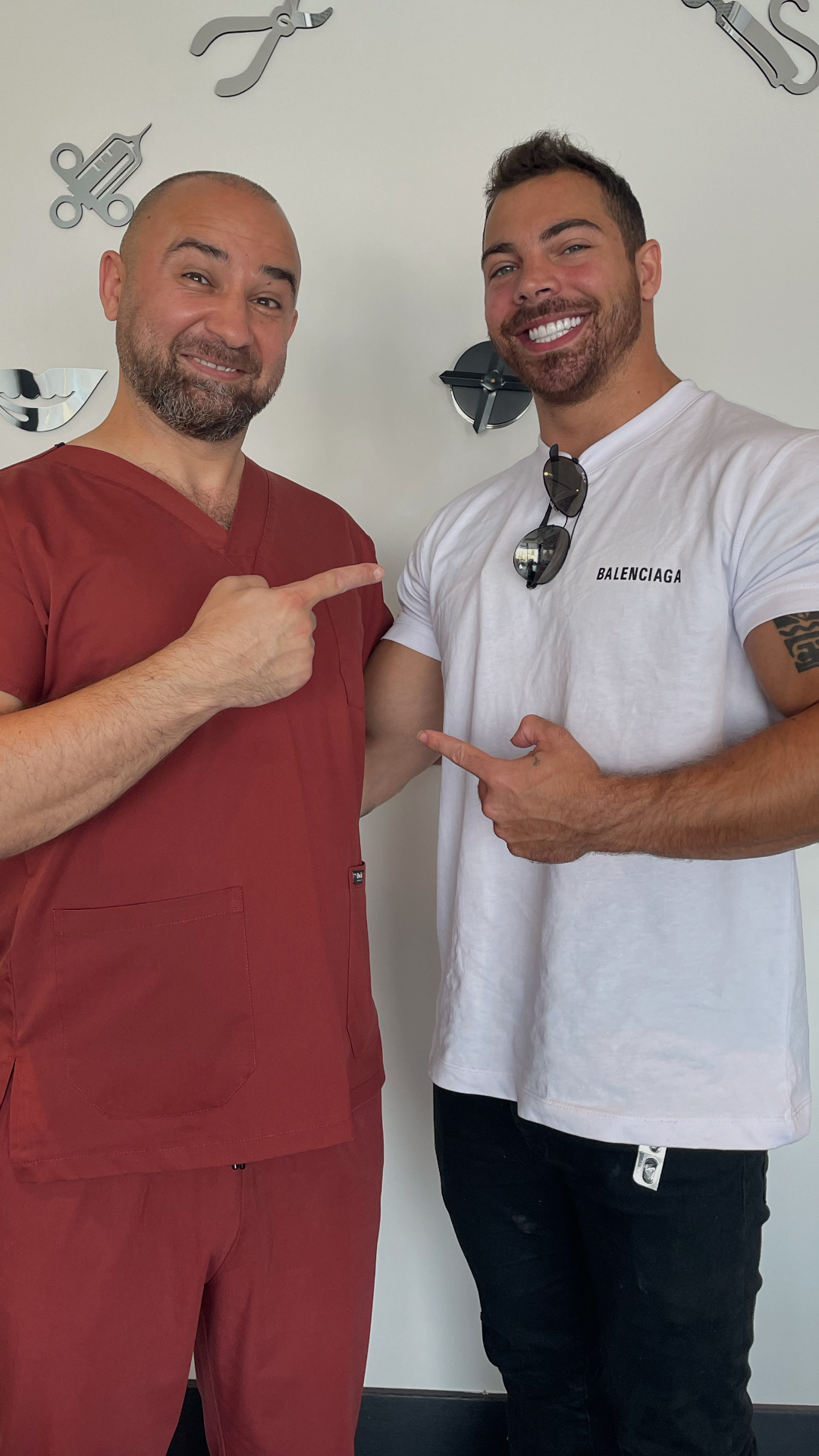 Alexandre's
 -
 Charlie's
 -
 Stella's
 -
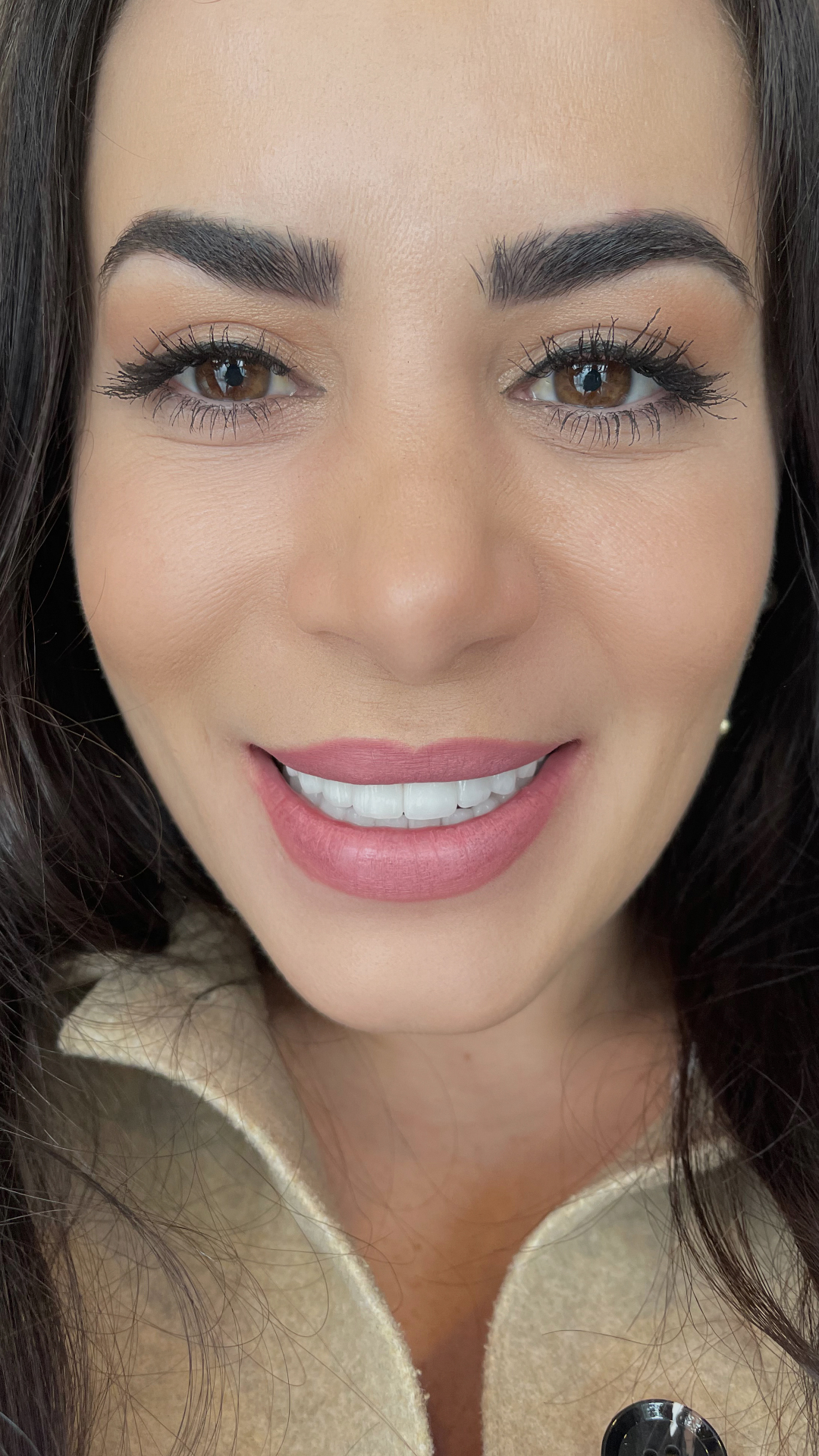 Tiphanie's
 -
 Miriam's
 -
 Sébastien's
 -
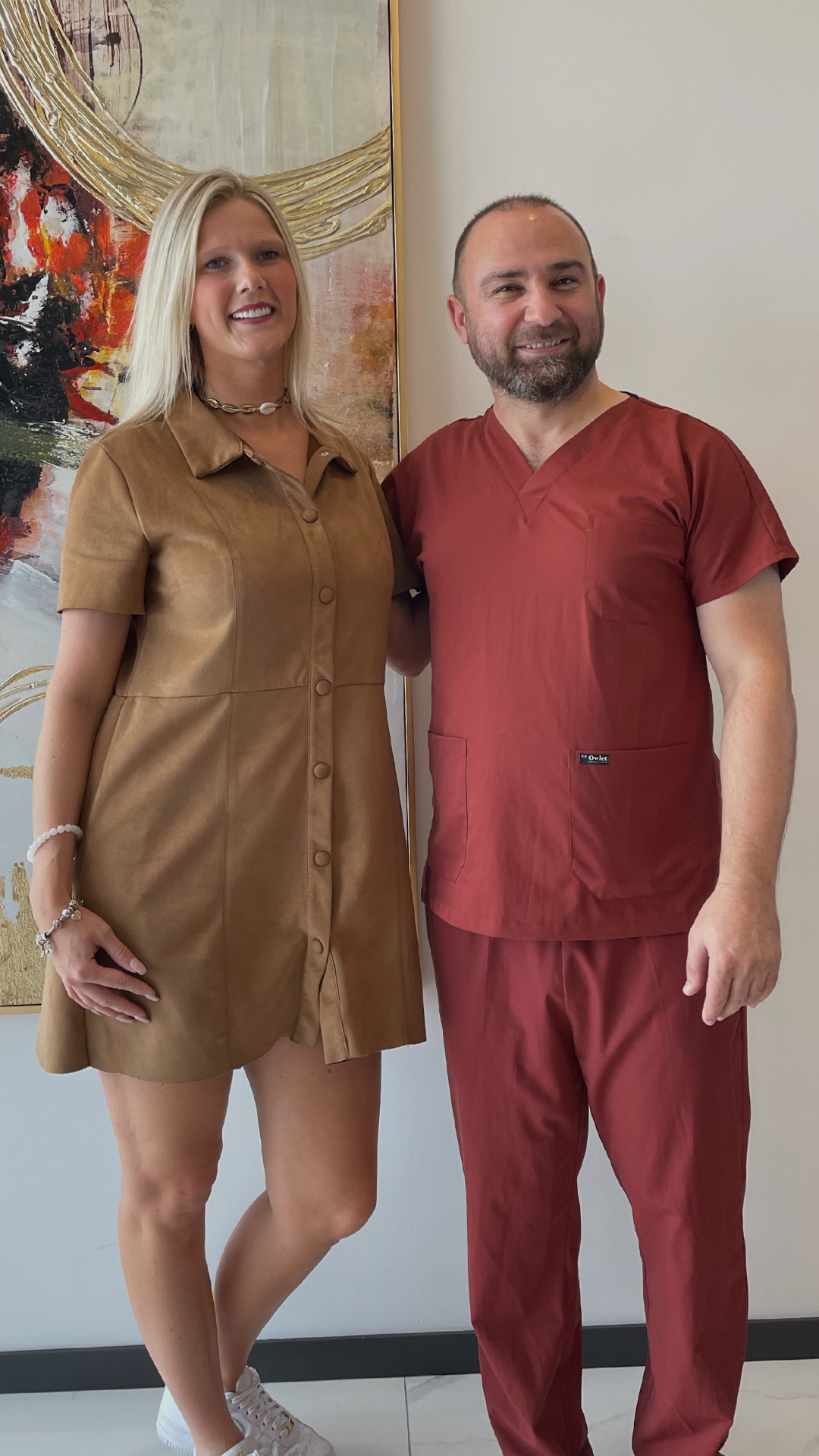 Marie's
 -
 Nadia's
 -
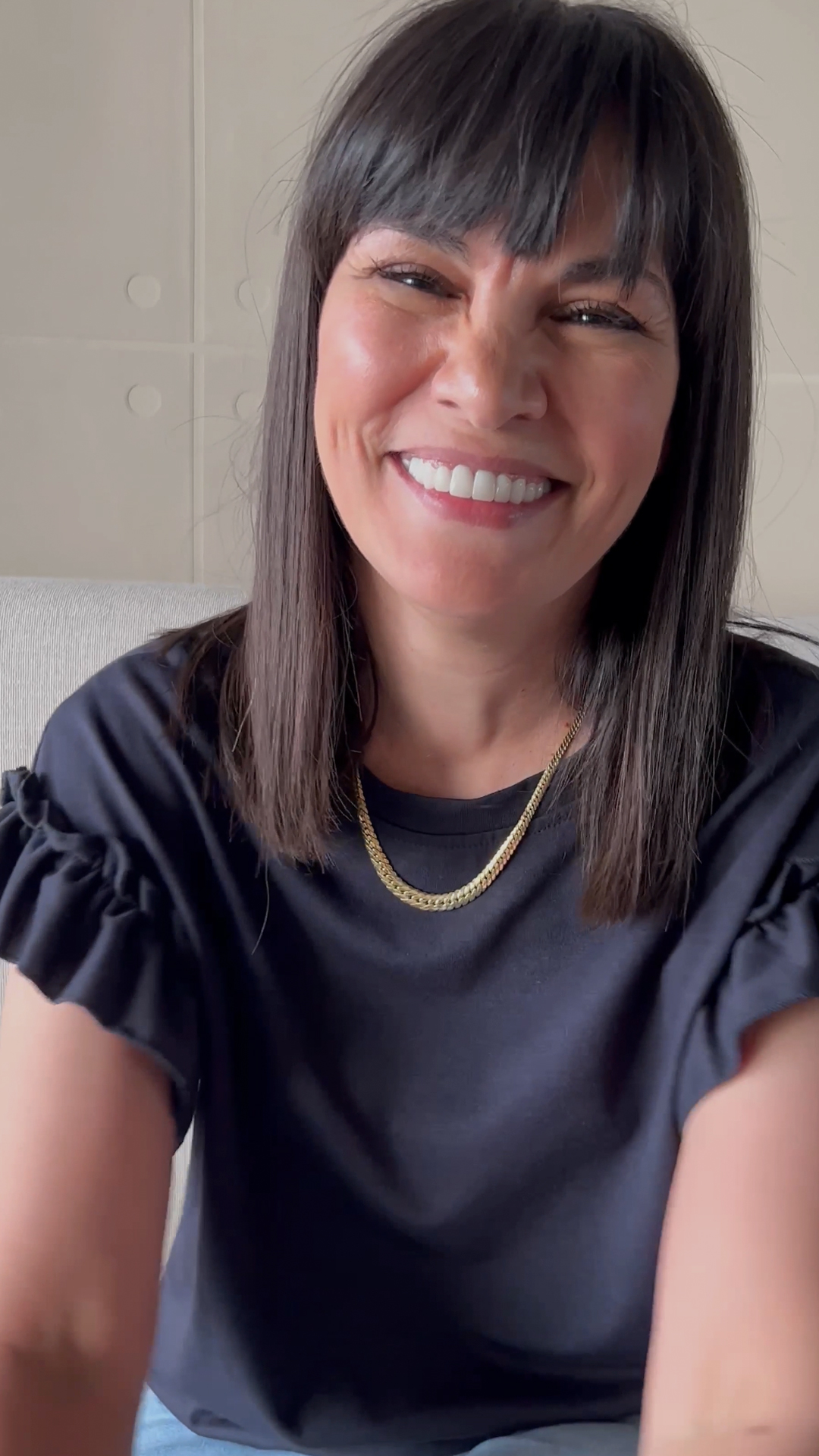 Samah's
 -
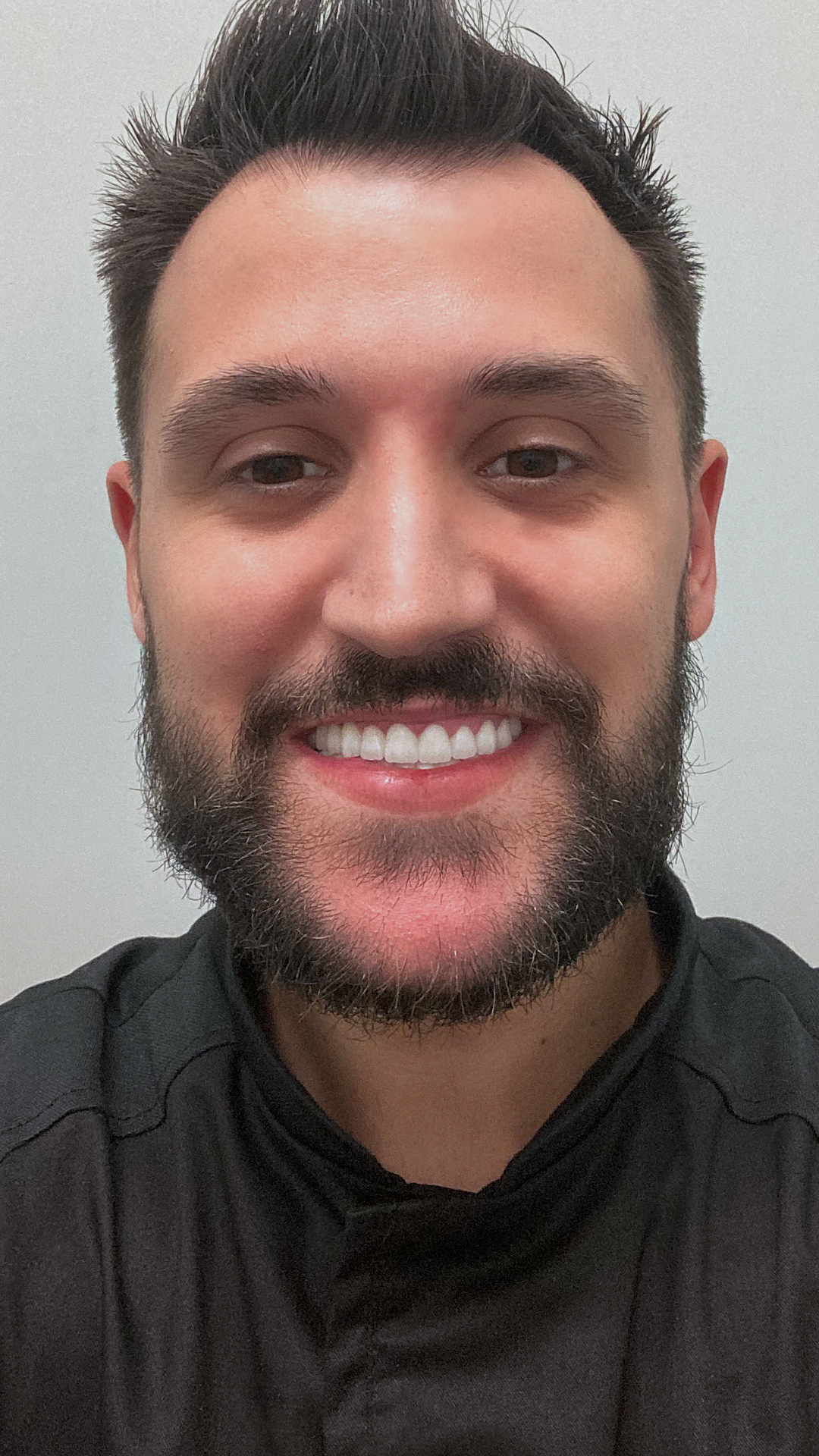 Laurent's
 -
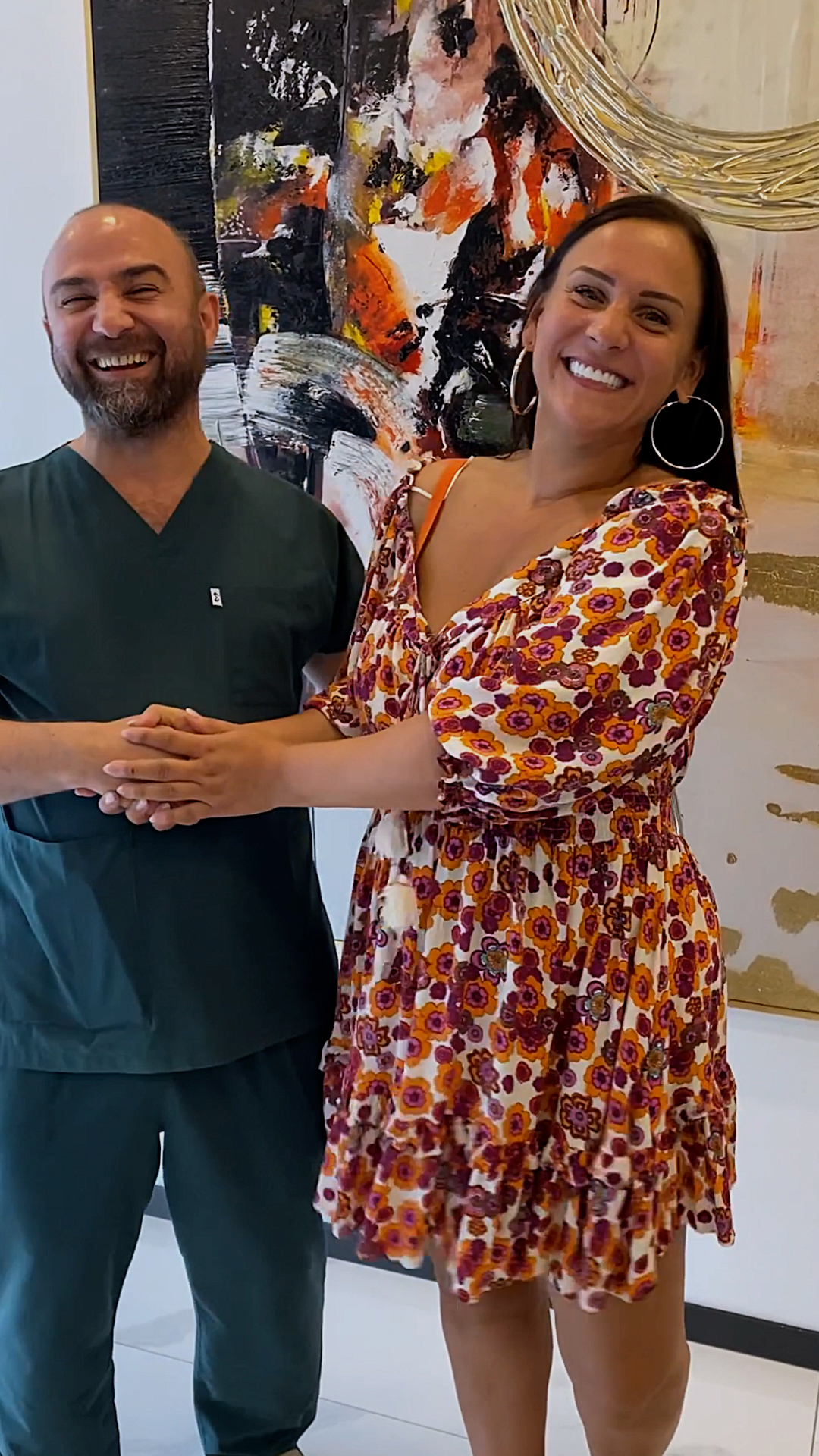 Laeticia's
 -
 Naouiri's
 -
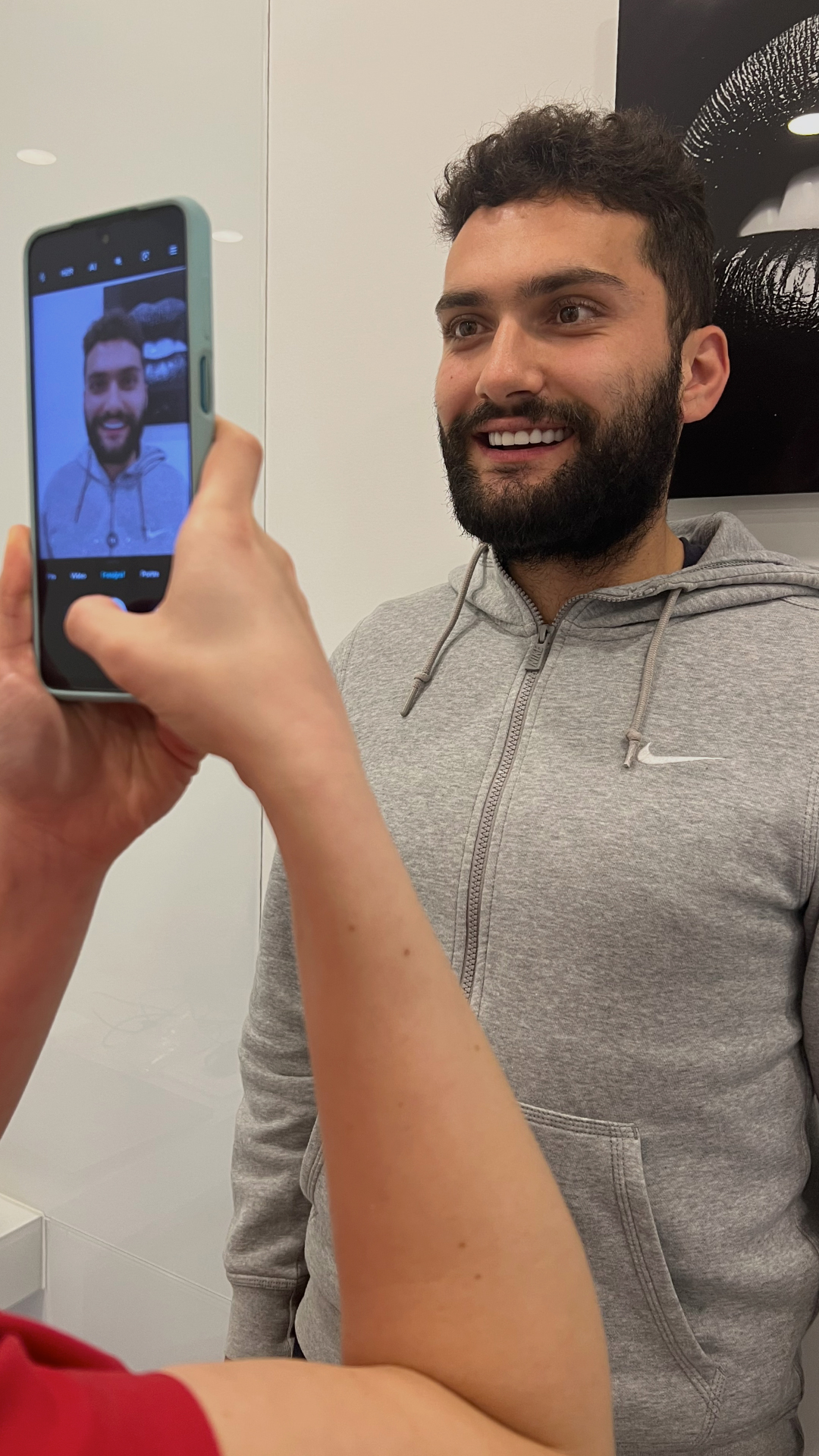 Antoine's


Common questions about dental crowns
Is fitting a dental crown painful?
It’s done under local anaesthetic, so you feel nothing during the procedure. A little sensitivity can show up in the first 48 hours, easily settled with an ordinary painkiller. Our team stays on hand so the whole thing goes smoothly.
How long does a dental crown last?
Looked after well, a zirconia crown lasts 15 to 20 years, sometimes more. Clinical data report a survival rate of around 95% at five years for monolithic zirconia crowns. Regular check-ups with your dentist stretch that lifespan further still.
Crown or dental veneer: how do you choose?
Dental veneers are thin shells bonded to the visible face of the tooth, ideal for light aesthetic touch-ups. A crown, by contrast, covers the whole tooth: it’s the choice when the tooth is badly damaged, root-treated or fractured. Our dentists point you towards whichever suits your case.
Can you whiten a dental crown?
No, crowns don’t respond to whitening products. That’s why their shade is picked with care when they’re made, to match your natural teeth. If you whiten your teeth later on, you may need a new crown to keep your smile even.
What’s the difference between a crown and an inlay/onlay?
An inlay or onlay fills only part of the tooth, whereas the crown covers it completely. The choice comes down to how much damage there is: for moderate wear, an inlay or onlay does the job; for a badly damaged tooth, the crown is the way to go.
Can dental crowns cause allergies?
Zirconia and ceramic crowns are metal-free and highly biocompatible, with a very low risk of allergy. Only metal-ceramic crowns can, in rare cases, bother people who are sensitive to metal alloys.
How long is the stay in Istanbul for crowns?
For crowns, plan on a stay of 5 to 7 days in Istanbul. That covers preparing the teeth, making them in the laboratory and the final fitting. Our team organises your hotel stay and VIP transfers.
Why choose Body Expert for your dental crowns?
Body Expert looks after you at our partner clinic in Istanbul, selected for its facilities and its surgeons’ experience, with premium materials (Ivoclar zirconia). You get full English-speaking support, thorough aftercare and up to 70% savings against UK prices, with the detail set out in our price list. Ask for a free quote to get your project going.
Discussing your project
How your crown is fitted, step by step
Consultation and diagnosis
Your dentist examines your whole mouth, backed by a panoramic X-ray and, where needed, intraoral radiographs. They weigh up the situation and suggest the type of crown that best fits your case.
Preparing the tooth
The tooth is shaped precisely to take the crown. A 3D digital impression is used to make an exact model in the laboratory, while a temporary crown protects the tooth in the meantime.
Made in the laboratory
Using CAD/CAM, your crown is milled to a high degree of precision from the digital model. The shades are chosen to blend into your smile, tooth by tooth.
Fitting and cementing
The permanent crown is tried in, adjusted, then cemented for good. Your dentist checks your bite and your comfort. You leave with a smile that’s whole again and works as it should.
Aftercare and follow-up
Our team keeps a close eye on things once the crown is in. Follow-up checks are scheduled to make sure the crown has settled in well and to answer any questions you have.
Caring for your crowns to get the most from them
Daily hygiene
Brush at least twice a day with a soft toothbrush. A daily pass with floss or interdental brushes cleans under the crowns, where a brush can’t reach.
Regular visits
Book a check-up and a scale and polish every six months. These appointments catch any problem before it takes hold.
Night-time protection
If you grind your teeth at night (bruxism), a protective night guard stops your crowns wearing down too soon.
A little care with food
Go easy on very hard foods, ice cubes, whole nuts or bones: ceramic doesn’t like sharp knocks.


